
Artemisa Province
Artemisa Province is an administrative region in western Cuba, formed in 2011 from the former La Habana Province. Its capital is Artemisa; the province combines coastal ports, agriculture, towns and industry.
Overview
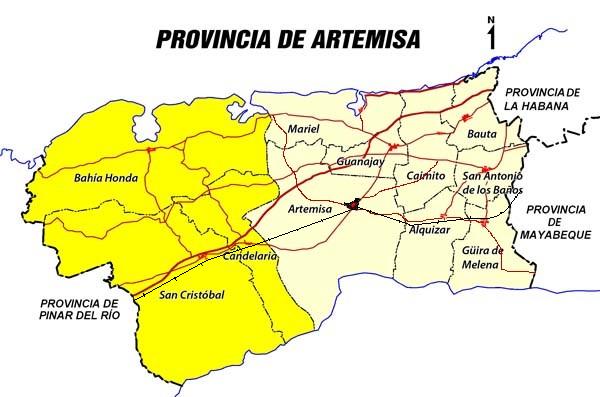
Artemisa Province is one of the provinces of Cuba, located in the western part of the island. Created in 2011 during an administrative reorganization, the province has a mix of urban centers, agricultural plains and coastal zones. The city of Artemisa serves as the provincial capital and administrative hub.
Image gallery
3 Images
Geography and characteristics
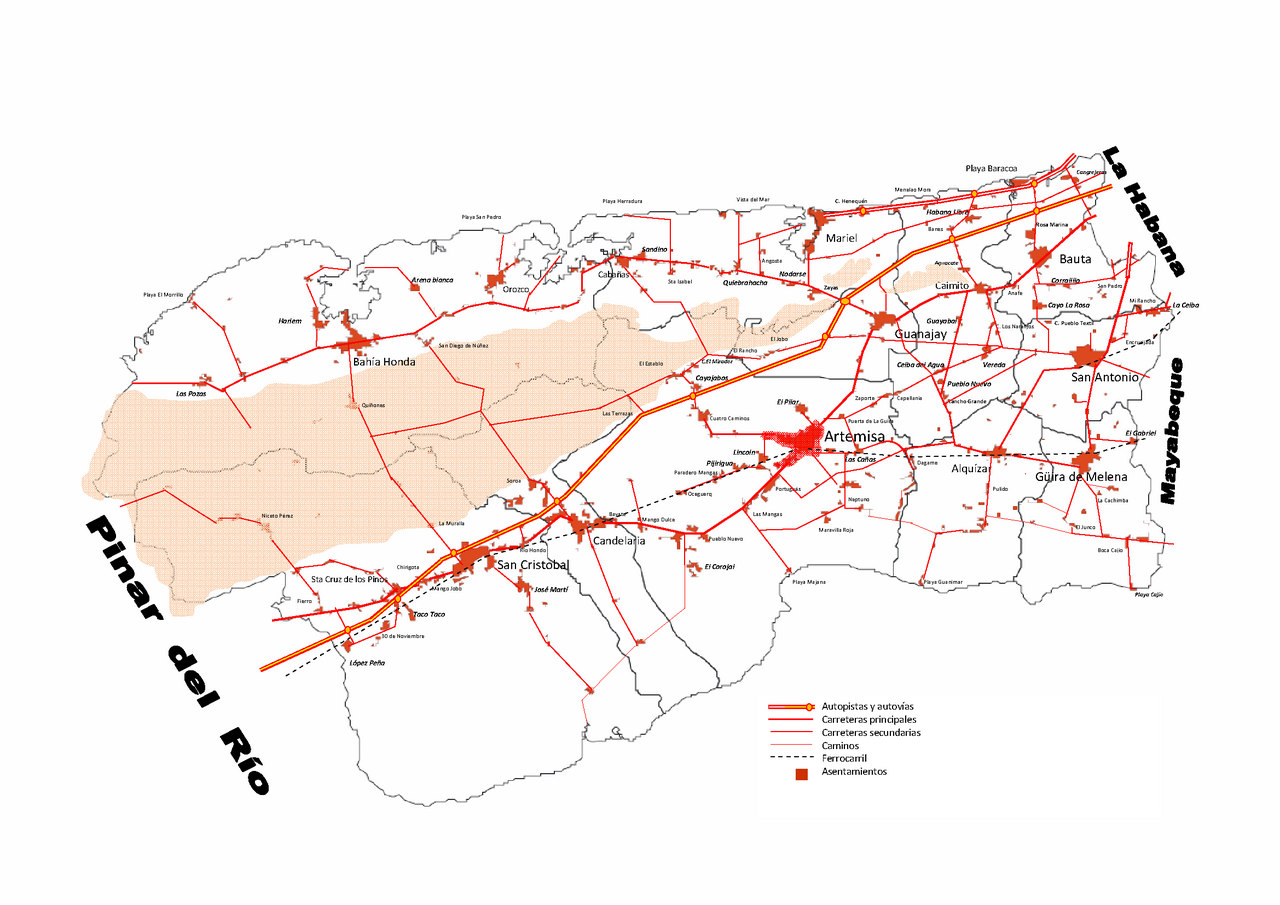
The landscape of the province ranges from low-lying agricultural plains to modest hills and coastal areas. Its shoreline on the northern coast provides access to maritime routes and supports fishing and port activities. Inland areas are used largely for cultivation, livestock and smaller urban settlements. Transportation links connect the province with Havana and other western provinces, supporting commerce and commuting.
History and administration
Artemisa was established when the former La Habana Province was divided into two new provinces in 2011. The change aimed to create more manageable administrative units and better local governance. Since then, local authorities have overseen municipal services, economic planning and infrastructure projects within the province’s boundaries.
Economy and uses
The provincial economy blends agriculture, industry and port-related commerce. Farming includes crops typical of western Cuba, while smaller manufacturing and processing activities occur near towns. A notable feature is the presence of an important port and development zone that serve as focal points for investment and trade, helping diversify the local economy.
Culture and notable facts
Artemisa contains historic towns, cultural institutions and community events that reflect Cuba’s broader traditions. Its proximity to the national capital makes it significant for commuters and regional planning. The province’s creation in 2011 is its most distinctive recent change, reshaping local administration and planning in western Cuba.
- Capital: Artemisa.
- Established: 2011 (from former La Habana Province).
- Features: agriculture, coastal port facilities, towns and industry.
Related articles
Author
AlegsaOnline.com Artemisa Province Leandro Alegsa
URL: https://en.alegsaonline.com/art/6242
Sources
- one.cu : "Lugar que ocupa el territorio según la superficie y la población"