
Maracanã Stadium (Estádio Jornalista Mário Filho)
Historic multi-purpose stadium in Rio de Janeiro, Brazil, famous for the 1950 World Cup final, major football matches, concerts and large-scale renovations for 2014 and 2016 events.
Overview
The Maracanã, officially Estádio Jornalista Mário Filho, is a large multi-purpose stadium in the northern zone of Rio de Janeiro. Often simply called Maracanã, the name also refers to the surrounding neighborhood and comes from a native word associated with a small parrot. The venue is one of the best-known sports arenas in Brazil and worldwide, with a current public capacity reported at around 78,838 seats. It serves as a cultural landmark and an icon of Brazilian football.
Image gallery
10 Images
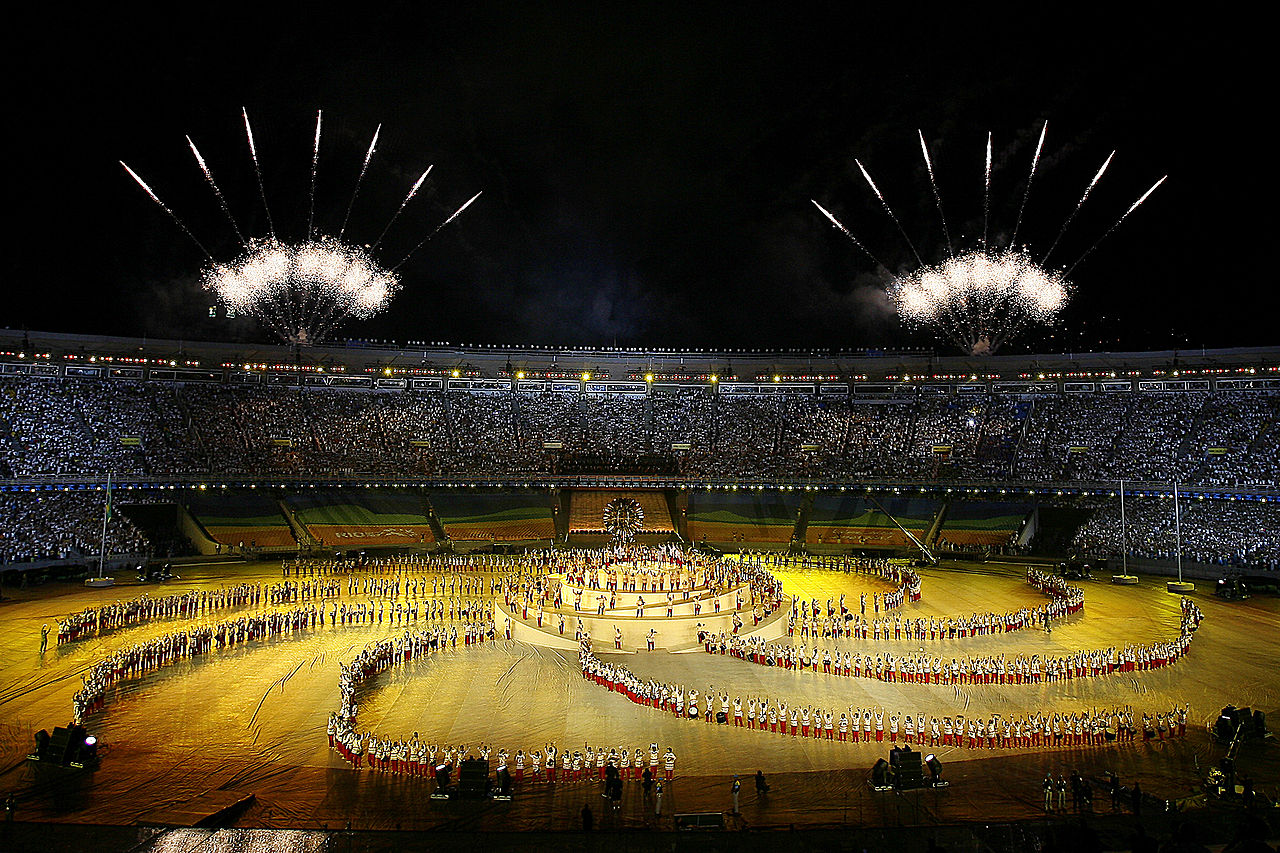
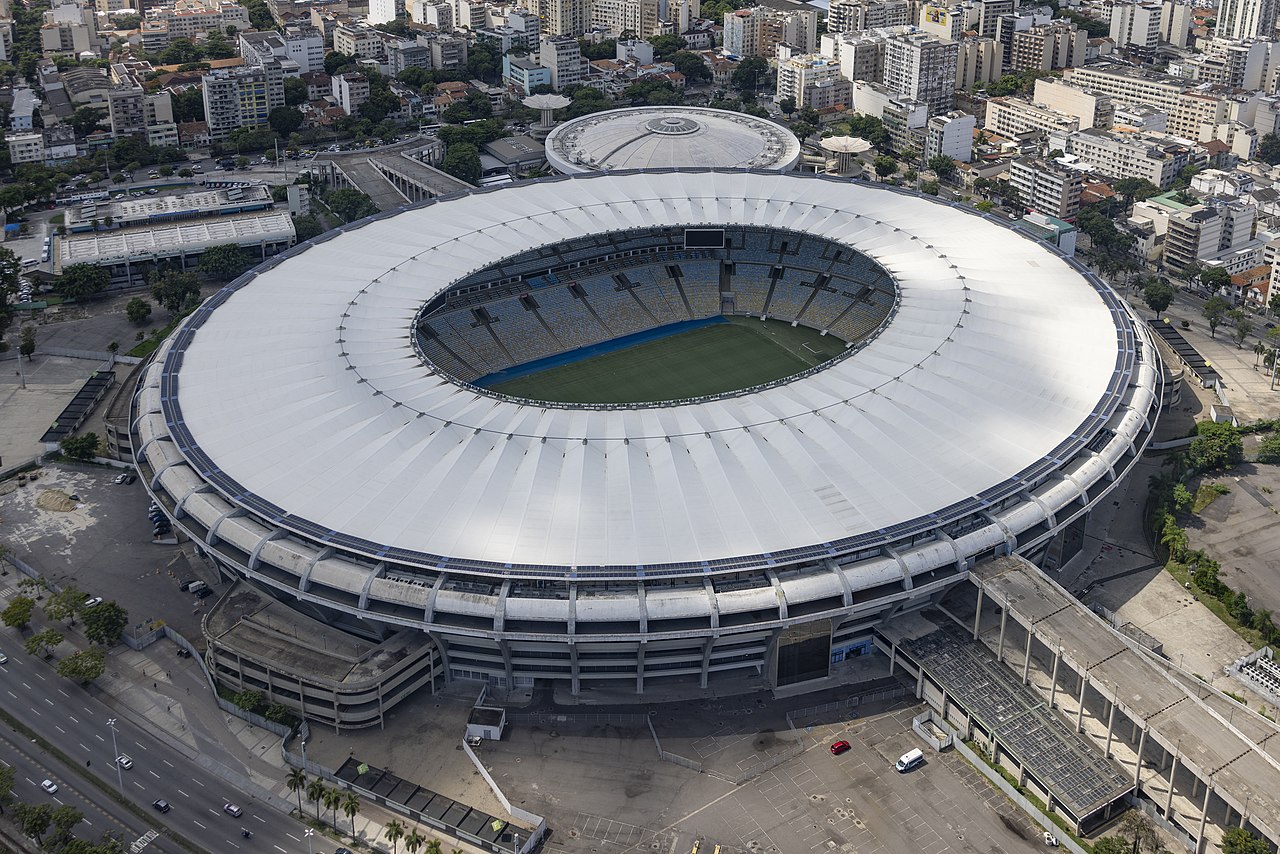


Design and characteristics
Maracanã was built as a bowl-shaped stadium to host very large crowds. Over its history the structure has been modified repeatedly: stands have been rebuilt, roofs added over spectator areas, and seating reconfigured to meet modern safety and comfort standards. The playing surface is natural grass and the stadium is equipped to host football matches, concerts and other mass events. Its official name honors the sports journalist Mário Filho, while the popular name remains Maracanã.
History and development
The stadium opened in 1950 and was constructed with the aim of staging the FIFA World Cup final that year. That final remains one of the most talked-about matches in football history and drew an extraordinarily large crowd. In the decades since opening, Maracanã has undergone several major renovations to modernize facilities and reduce overall capacity for seated comfort and safety. A comprehensive overhaul took place ahead of the 2014 FIFA World Cup and the venue was again adapted for events associated with the 2016 Olympic Games and Paralympics.
Uses and notable events
Maracanã has hosted a wide range of high-profile matches and cultural events. It is a frequent venue for Brazil national team fixtures, continental club competition finals and domestic cup matches. The ground also serves as a home venue for local clubs on important dates and has been a stage for international music tours and civic ceremonies.
- Major international football finals and tournaments
- Club competition finals and derby matches
- Large concerts, public ceremonies and Olympic football events
Cultural importance and notable facts
Beyond its sporting function, Maracanã occupies a central place in Brazilian popular culture. It is associated with memorable sporting triumphs and tragedies, massive crowds, and the rise of football as a defining element of national identity. The stadium's name, renovations, and changing capacity illustrate broader shifts in stadium design, crowd management and the commercialization of major sporting facilities. For further linguistic and historical context see the Portuguese name Estádio do Maracanã, and local resources about the neighborhood and river that gave the stadium its popular name.
As a working venue, Maracanã continues to host major fixtures and events, balancing its historic legacy with the demands of contemporary sport, safety standards and large-scale entertainment.
Related articles
Author
AlegsaOnline.com Maracanã Stadium (Estádio Jornalista Mário Filho) Leandro Alegsa
URL: https://en.alegsaonline.com/art/61530
Sources
- estadao.com.br : "Maracanã fica mais moderno sem abrir mão de sua história"