
Mansfield College, Oxford: history, architecture, and academic role
Mansfield College is a constituent college of the University of Oxford, founded as a nonconformist theological college in 1838 and re-established in Oxford in 1886. It became a full college in 1995.
Mansfield College is one of the constituent colleges of the University of Oxford. It retains a distinct identity shaped by its 19th‑century nonconformist origins and by development through the Victorian and modern periods. Located on Mansfield Road north of Oxford's city centre, the college combines a visually prominent main building with modern teaching and accommodation facilities and a compact, active student community.
Image gallery
10 Images





History
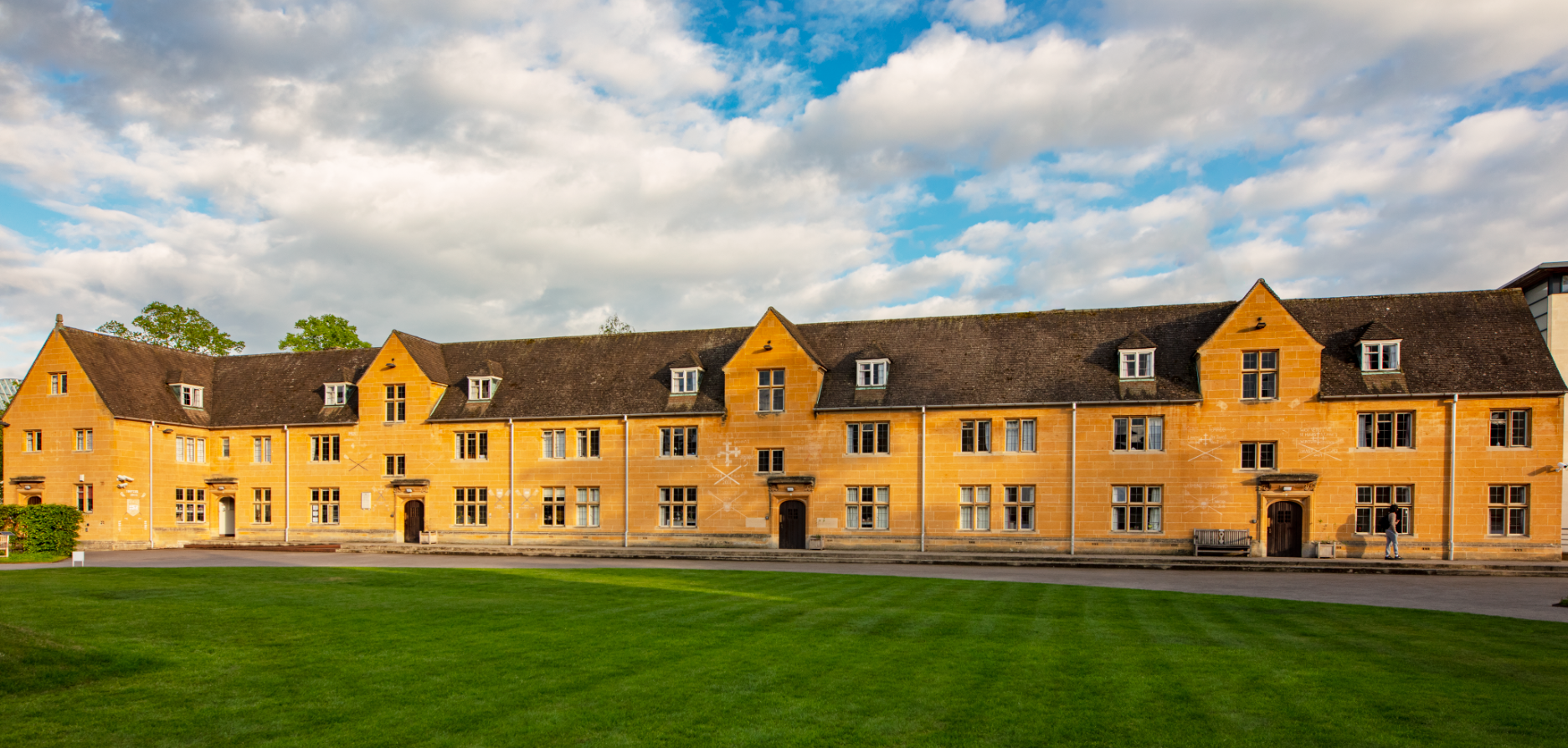
The institution began in 1838 as Spring Hill College in Birmingham, established to train nonconformist ministers and to serve the needs of dissenting congregations. In 1886 the college relocated to Oxford and was renamed Mansfield College in recognition of generous support from George and Elizabeth Mansfield. The principal complex on Mansfield Road was designed by Basil Champneys and completed toward the end of the 19th century. Key dates in the college's development include:
- 1838: foundation as Spring Hill College in Birmingham (Spring Hill College).
- 1886–1889: move to Oxford and completion of the Champneys-designed main building.
- 1913: admission of the first female student.
- 1955: recognition as a Permanent Private Hall within the university.
- 1995: grant of a Royal Charter making Mansfield a full college of the university.
Architecture and site
The main college building, created by the architect Basil Champneys, dates from the late Victorian era and reflects the academic building traditions of that period. The estate sits along Mansfield Road and presents a tightly arranged mix of formal facades, chapel and internal quadrangles or courtyards typical of Oxford colleges. Over time smaller additions and internal refits have provided modern teaching rooms, libraries and study spaces while retaining the character of the older structures.
Academic life and character
Originally focused on theological education for nonconformists, Mansfield has broadened its academic scope in line with the university as a whole. It admits undergraduate and graduate students across a range of subjects and contributes to University of Oxford teaching and research. The college community emphasizes small-group teaching, pastoral support and extracurricular societies; it is regarded as relatively intimate compared with some larger colleges and is noted for an inclusive ethos that traces back to its founding mission.
Distinctive features and significance
Mansfield's history illustrates a wider shift in British higher education from denominational training institutions toward fully integrated university colleges. Milestones such as early admission of women and the transition from a Permanent Private Hall to a chartered college mark its changing constitutional status. Today Mansfield is valued for its historical roots, its Victorian architecture, and its continuing role within the academic life of the University. Visitors and researchers often find the college an example of how Oxford colleges evolved across the 19th and 20th centuries.
Related articles
Author
AlegsaOnline.com Mansfield College, Oxford: history, architecture, and academic role Leandro Alegsa
URL: https://en.alegsaonline.com/art/61406