
Manaus — gateway to the Amazon and capital of Amazonas, Brazil
Manaus is the largest city in Brazil's North Region and the capital of Amazonas. Located at the meeting of the Rio Negro and Solimões, it is a commercial, cultural and ecological hub for the Amazon basin.

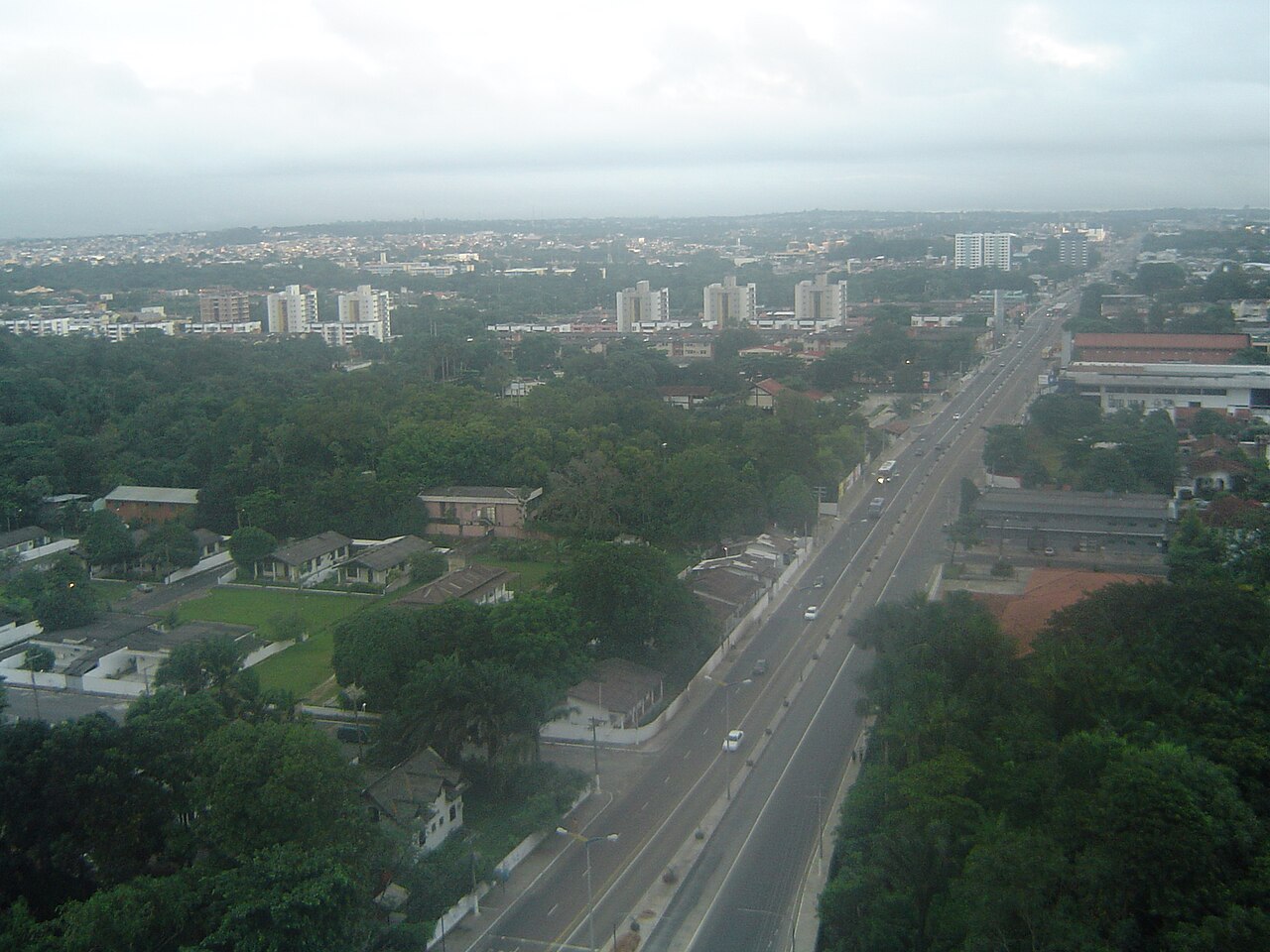
Manaus is the principal city of Brazil's North Region and serves as the capital of the state of Amazonas. Set deep within the Amazon basin, the city functions as a regional economic and transportation hub and as a primary access point for visitors to the rainforest. Its metropolitan population is roughly one and a half million people, and its urban fabric combines dense tropical environments with a mix of historic and modern infrastructure.
Image gallery
10 Images



Geography and environment
Manaus occupies a strategic position on the Negro River near its confluence with the Solimões; where these two rivers meet they run side by side for several kilometers before fully mixing, a phenomenon known locally as the "encontro das águas" (meeting of the waters). The Negro has dark, tannin-rich water while the Solimões carries lighter, sediment-laden water; differences in temperature, speed and density are responsible for the striking visual separation. The city lies within one of the most biodiverse regions on Earth and is surrounded by dense rainforest, wetlands and an intricate network of rivers that shape local livelihoods and transportation.
History and development
Indigenous peoples inhabited the region long before European contact; the modern name Manaus derives from the Manaós, a native group. A fortified settlement was established in the 17th century and grew slowly until the 19th century. The late 19th and early 20th centuries brought rapid transformation during the rubber boom: global demand for natural rubber enriched the city and financed grand public buildings, cultural institutions and luxury imports. When plantation cultivation and competition from Southeast Asia reduced rubber profits, Manaus experienced an economic downturn and population shifts.
Economy, industry and the Free Trade Zone
In the mid‑20th century the Brazilian government promoted industrialization in the region through tax and trade incentives, creating what is widely known as the Manaus Free Trade Zone. This policy attracted manufacturing, electronics, petrochemical activity and other industry to the city, diversifying an economy that had been heavily dependent on extractive products. Manaus also retains an important river port that handles regional and international cargo, serving as a logistical base for goods destined for remote Amazonian communities.
Culture, architecture and daily life
Manaus features notable architectural and cultural landmarks from its rubber-boom heyday. The Teatro Amazonas, an ornate opera house completed near the end of the 19th century, is among the most recognizable symbols of that era; it was constructed with materials and artistic talent imported from Europe. The municipal market (Mercado Adolpho Lisboa) and period residences display Neoclassical and eclectic styles. Manaus is also a living cultural crossroads where indigenous traditions, riverine communities and urban migrants contribute to cuisine, festivals and craftwork. Local dishes often include river fish such as tambaqui, and street foods like tacacá reflect Amazonian ingredients and culinary techniques.

Tourism, transport and access
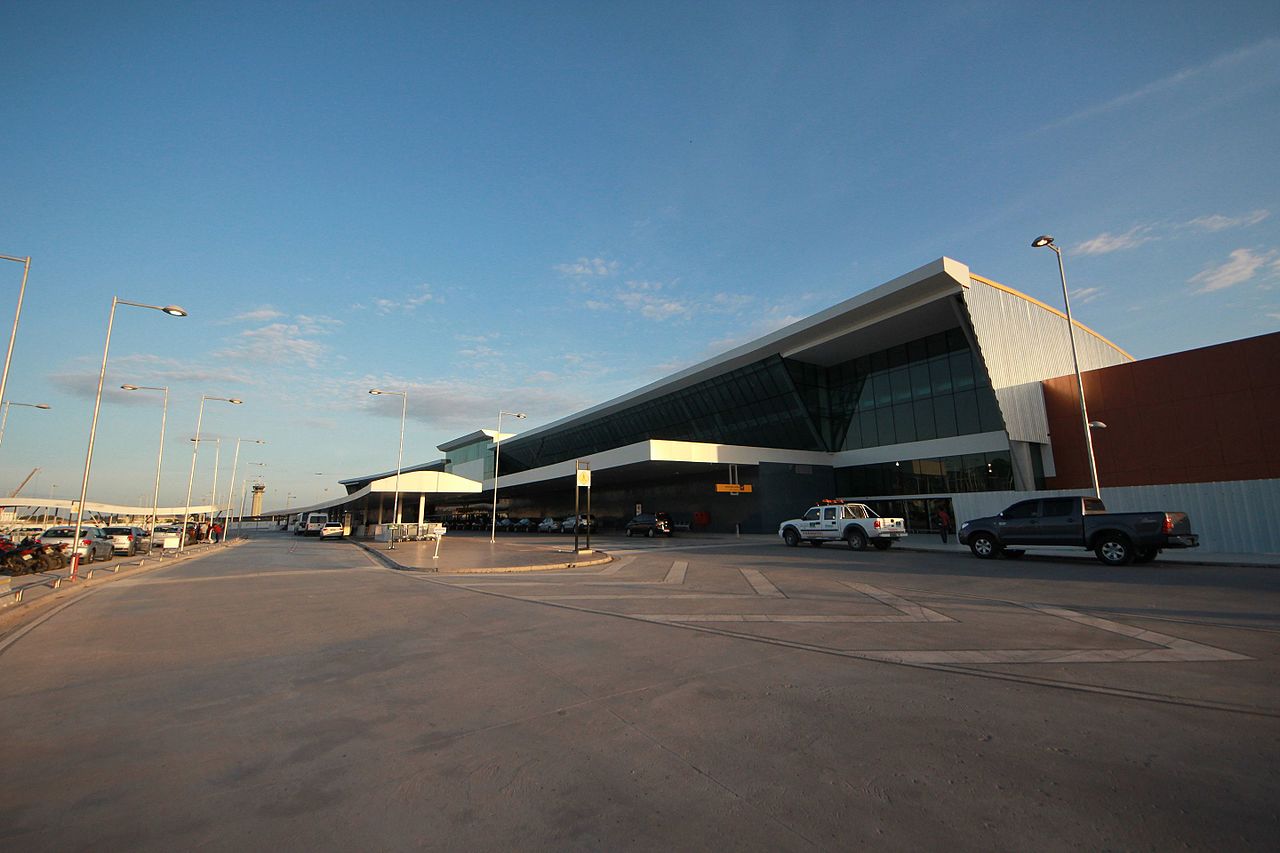
Tourism in Manaus ranges from short city visits for historical and cultural sites to longer ecological expeditions: jungle lodges, river cruises and scientific tours into the surrounding rainforest are common. The city is served by an international airport and a busy fluvial terminal; many places in the region are reachable only by river. Visitors are advised to plan according to seasonal river levels and local climate: Manaus has a tropical rainforest climate characterized by high humidity, consistently warm temperatures and heavy rainfall distributed through much of the year.
Challenges and conservation
Like many Amazonian cities, Manaus faces tensions between development and environmental protection. Urban expansion, infrastructure projects, deforestation in surrounding areas and pressures from illegal extraction have raised concerns about habitat loss and riverine health. At the same time, Manaus plays an essential role in conservation science, environmental education and ecotourism that seeks to provide economic alternatives to destructive land uses.
Notable facts and places to explore
- Theater and museums: the historic Teatro Amazonas remains a focal point for performing arts and cultural events.
- Markets and architecture: Mercado Adolpho Lisboa and several preserved late‑19th‑century facades recall the rubber era.
- River phenomena: the "encontro das águas" is a natural spectacle where the Negro and Solimões rivers flow side by side.
- Free Trade Zone: the Manaus industrial and free‑trade policies established mid‑20th century continue to shape the local economy.
- Ecotourism: guided forest lodges, wildlife observation and river cruises provide access to Amazonian biodiversity.
For further reading about the region and its rivers, see general resources on the North Region of Brazil and the Amazon rainforest: North Region, Brazil, Amazon rainforest. Historical context related to the rubber industry and its global competitors can be explored via links about Malaysia and Indonesia, and the technological advances in rubber processing are connected to figures such as Charles Goodyear. The Negro River's local name and hydrology are discussed in sources on the Rio Negro.
Manaus continues to be a city of contrasts: a modern urban center inside one of the world's great rainforests, with deep historical roots in both indigenous culture and global economic cycles.
Related articles
Author
AlegsaOnline.com Manaus — gateway to the Amazon and capital of Amazonas, Brazil Leandro Alegsa
URL: https://en.alegsaonline.com/art/61188