
Major League Soccer (MLS)
Top-tier professional men’s soccer league in the United States with participating Canadian clubs. Founded in the 1990s, MLS uses a single-entity model, expansion franchises, playoffs and distinctive roster rules.
Major League Soccer (MLS) is the highest-level professional men's soccer league operating in the United States with participating clubs from Canada. Announced in the early 1990s and beginning play in 1996, MLS was created as part of a long-term plan to develop professional soccer in North America after the 1994 FIFA World Cup. The league is administered under a centralized structure and overseen by a commissioner, and it is recognized by the United States Soccer Federation as the country’s top professional league for men. As of the early 2020s the league has grown substantially through repeated rounds of expansion into new cities and ownership groups.
Image gallery
10 Images


Structure and season format
MLS typically operates on a calendar year schedule. The regular season runs from late winter or early spring into autumn and is followed by a post-season playoff tournament that culminates in the MLS Cup final, which determines the league champion. Clubs are organized into conferences for scheduling and playoff qualification. The team finishing with the best overall regular-season record receives the Supporters' Shield, a separate honor that recognizes season-long consistency.
Playoffs and trophies
The MLS playoff format has varied over time as the league expanded. A multi-round knockout tournament determines the MLS Cup winner. Both the Supporters' Shield and the MLS Cup are significant trophies: the Shield rewards the team with the best regular-season record, while the Cup is awarded to the post-season champion. Clubs also pursue success in domestic cup competitions and continental tournaments.
Roster rules and business model
MLS is organized under a single-entity structure, meaning the league holds player contracts and operates with mechanisms intended to promote stability and competitive balance. Rosters are managed under a salary budget with exceptions and special mechanisms that allow teams to attract higher-profile players. Notable roster mechanisms include the Designated Player rule (introduced to permit clubs to sign marquee players whose compensation exceeds standard budget charges) and forms of allocation money that teams may use to manage their payroll. There are also provisions for homegrown player signings from club academies and age-graded development incentives.
Expansion, markets and clubs
Since its first season, MLS has pursued an expansion strategy, awarding franchises to new ownership groups and investing in soccer-specific stadiums and local infrastructure. Expansion fees and investor commitments have been important to the league’s business model. Clubs are based in a mix of large metropolitan areas and smaller regional markets, and some rivalries reflect geographic proximity, historical connections and supporter culture. Several clubs are Canadian; while the Canadian Soccer Association regards the Canadian Premier League as the top domestic competition in Canada, MLS attracts major Canadian media attention and includes Canadian clubs that compete in the league schedule.
Development pathways and academies
MLS clubs operate youth academies and maintain links with lower-division teams to develop players through structured pathways. Homegrown player programmes enable clubs to sign academy graduates directly to first-team contracts. The league and its clubs also work with affiliated or reserve competitions to provide playing time for developing professionals and prospects.
Domestic and international competitions
In addition to league play, MLS clubs participate in national cup competitions such as the U.S. Open Cup and in cross-border tournaments. Top-performing MLS teams qualify for continental club competitions in the CONCACAF region. Performance in those regional tournaments provides international exposure and competitive opportunities against clubs from other countries in North and Central America and the Caribbean.
Governance, refereeing and rules
Referees and match officials working in MLS are approved and coordinated with national governing bodies including the United States Soccer Federation and the Canadian Soccer Association for clubs based in Canada. Through those national associations, clubs and players are integrated into the wider governance framework of FIFA and the international Laws of the Game, while the league maintains some autonomy in calendar, disciplinary and competition matters that affect its domestic operations.
Stadiums, supporters and culture
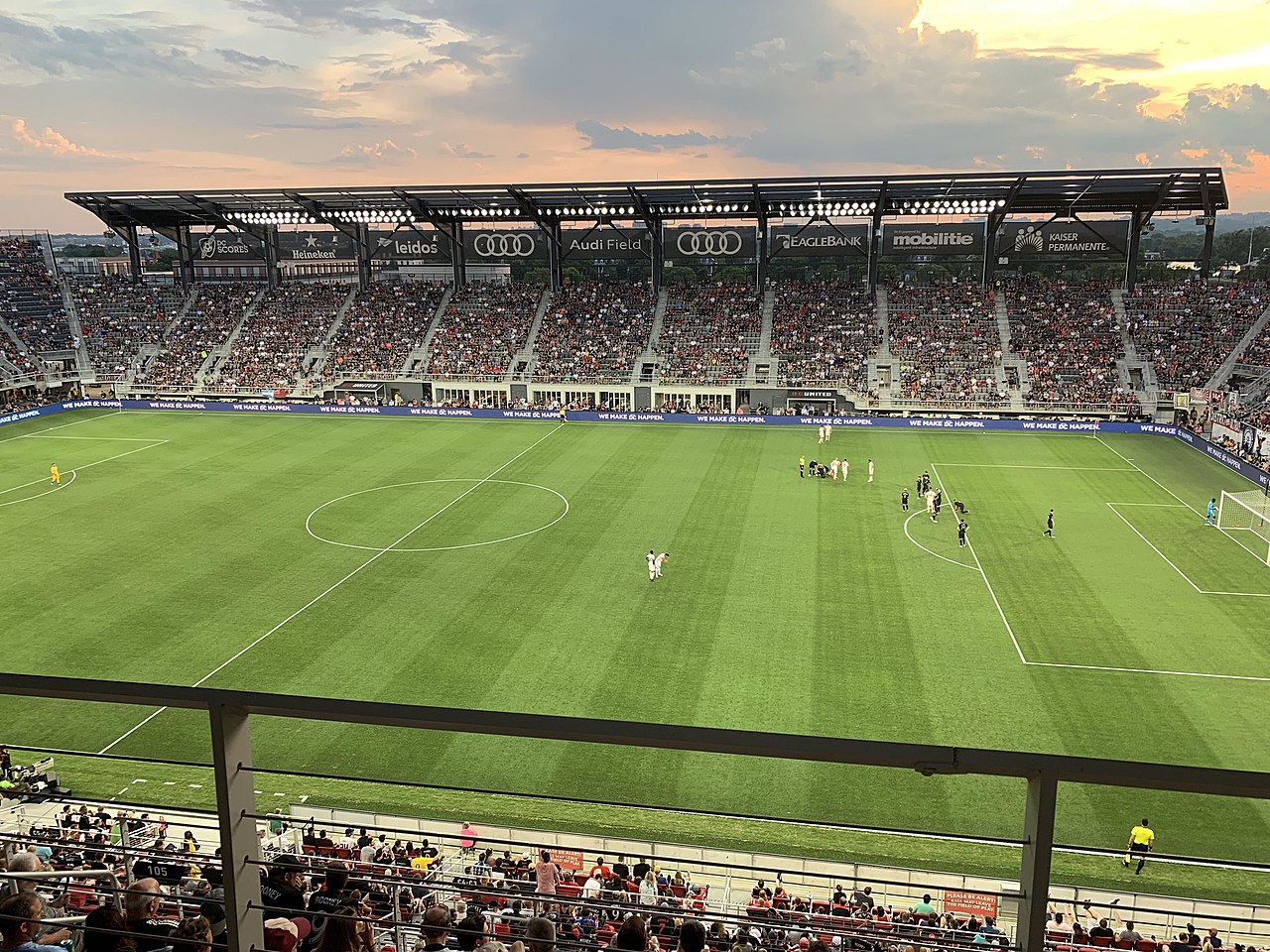
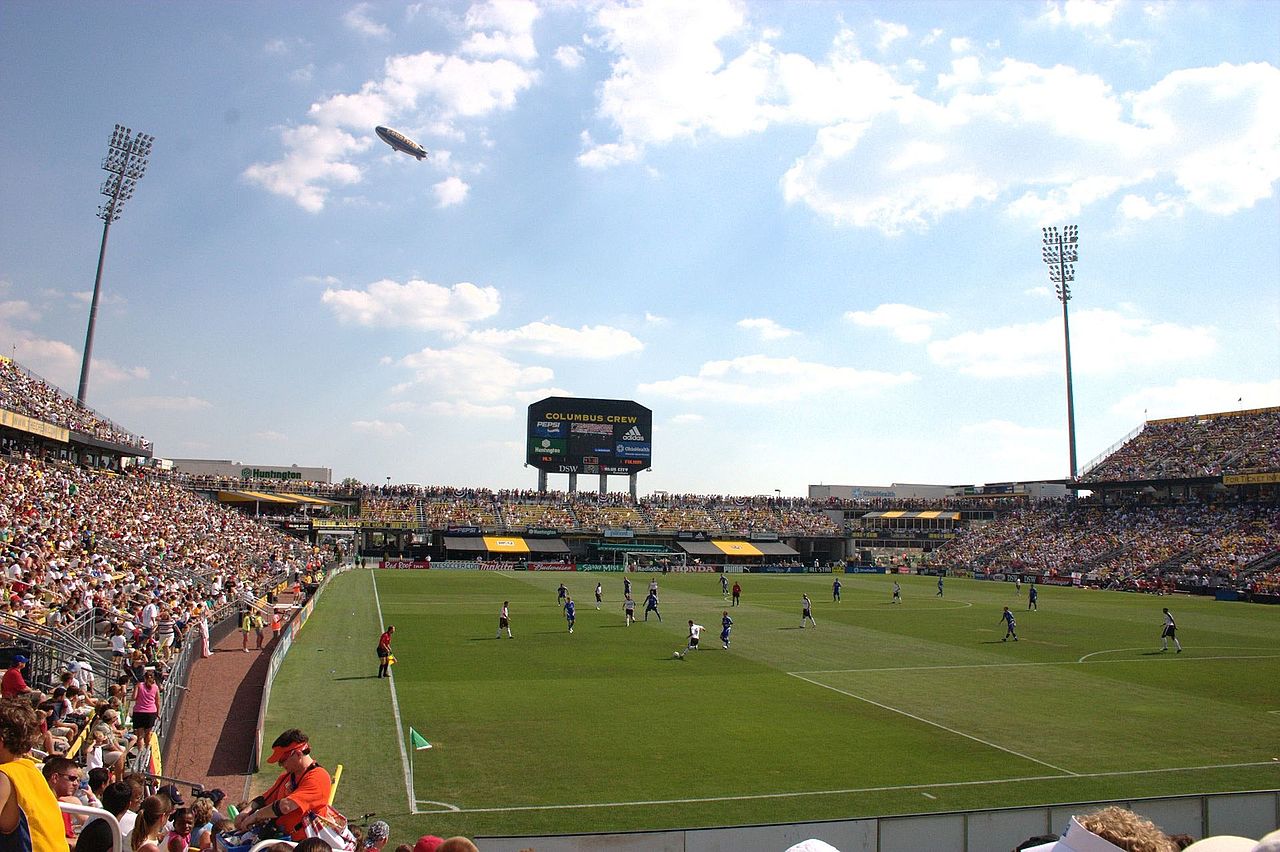
Investment in soccer-specific stadiums has been a major focus for many MLS clubs, intended to improve matchday experience and financial sustainability. The league features a diverse supporter culture with organized supporters’ groups, local traditions and derby matches that drive attendance and media interest. MLS clubs often engage in community programs, youth outreach and initiatives to broaden the sport’s popularity at the local level.
Broadcasting, commercial growth and challenges
MLS has expanded its media presence through national and regional broadcast deals, digital streaming and sponsorship agreements. Growth has been accompanied by challenges familiar to professional sports leagues — balancing costs and investment, integrating new teams and markets, and aligning the league calendar with international competition windows. The league has at times revised competition formats, roster rules and commercial strategies to respond to evolving sporting and marketplace conditions.
Notable features and ongoing evolution
- Single-entity model: Centralized contract structure designed to control costs and provide franchise stability.
- Designated Player and allocation mechanisms: Tools that permit clubs to sign higher-profile players while managing overall budgets.
- No promotion and relegation: Franchises remain fixed in MLS rather than moving between tiers as in many foreign leagues.
- Expansion focus: Ongoing addition of teams and new stadium projects to broaden the league’s footprint.
Major League Soccer continues to evolve in sporting, commercial and cultural terms and plays a prominent role in North American soccer. For official schedules, rules and club information, consult the league’s resources: Major League Soccer.
Related articles
Author
AlegsaOnline.com Major League Soccer (MLS) Leandro Alegsa
URL: https://en.alegsaonline.com/art/60862
Sources
- internpete.hubpages.com : Best Players in Major league Soccer (MLS) in 2012.
- princeton.edu : Major League Soccer.
- homepages.sover.net : An Overview of American Soccer History.
- sites.duke.edu : Soccer Politics / The Politics of Football.