
Maida Vale: residential district in the City of Westminster
Maida Vale is a largely residential district in the City of Westminster, northwest London, known for tree-lined streets, late‑Victorian and Edwardian mansion blocks, canalside Little Venice and the BBC Maida Vale Studios.
Overview
Maida Vale is an established residential district in the City of Westminster, noted for its quiet streets, period architecture and canalside character. It lies in northwest central London and forms part of the wider borough administered by the City of Westminster. The area is largely domestic in scale, favoured by families and professionals for its blend of leafy avenues and proximity to central London.
Image gallery
3 Images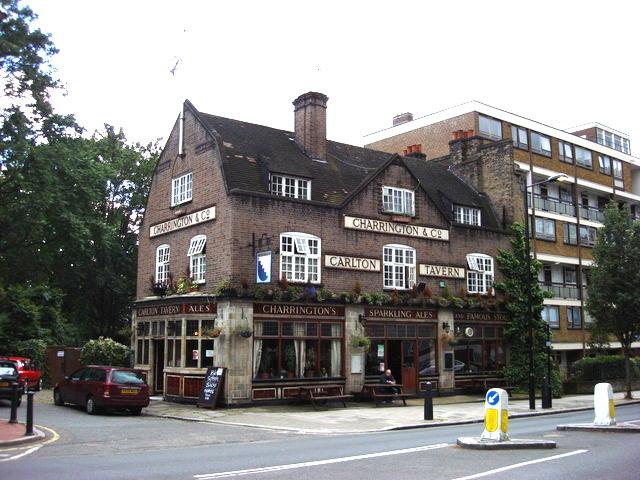

Character and architecture
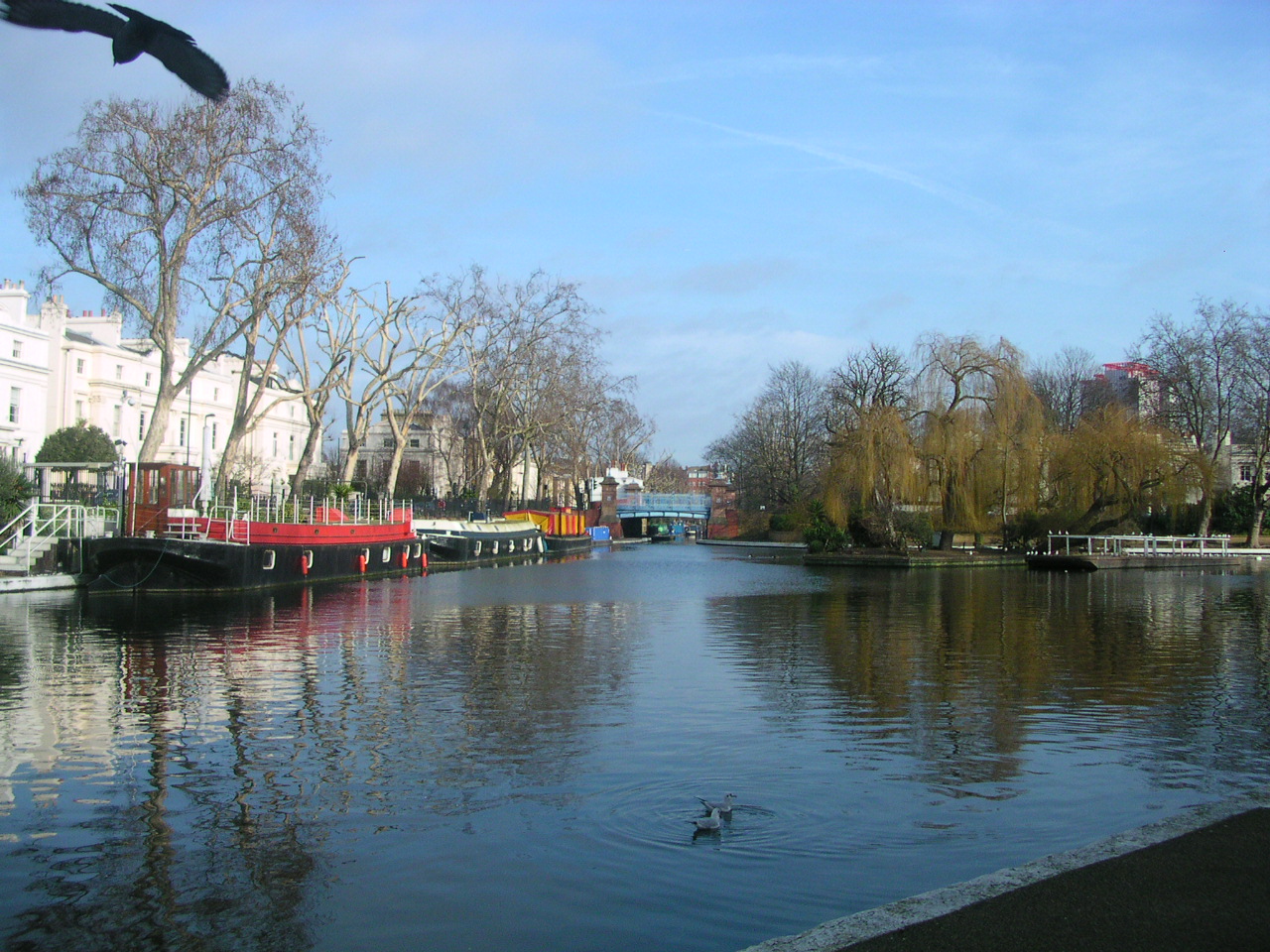
Built mainly during the late 19th and early 20th centuries, Maida Vale displays a mix of stucco terraces, red‑brick mansion blocks and modest villas. Many apartment blocks around the district reflect Victorian and Edwardian tastes: high ceilings, sash windows and communal lobbies. Toward the canal, properties and cafés give a village‑like feel sometimes referred to as Little Venice.
History and name
The neighbourhood developed as London expanded in the 1800s, replacing farmland and market gardens with housing for the growing middle classes. Its name is commonly linked to a local public house commemorating the Napoleonic era; the pattern of streets and the emergence of mansion blocks date from the era of rapid suburban building that transformed much of inner London.
Culture, amenities and notable sites
Maida Vale contains a mix of independent shops, cafés, schools and green spaces. It is home to the historic BBC Maida Vale Studios, known for radio and music recordings, and to several conservation areas that protect its architectural character. Nearby canals attract walkers, boaters and waterside dining.
Transport and distinctions
Well connected by public transport, Maida Vale is served by local Underground stations on the Bakerloo line and by frequent bus routes that link it to central and northwest London. The neighbourhood’s combination of Victorian mansion blocks, canalside atmosphere and proximity to central services marks it as one of the more desirable residential pockets in the United Kingdom.
Related articles
Author
AlegsaOnline.com Maida Vale: residential district in the City of Westminster Leandro Alegsa
URL: https://en.alegsaonline.com/art/60750