
Mahendra Kumar (1973–2020), Indian activist and Bajrang Dal leader
Mahendra Kumar was an Indian activist who led the Karnataka unit of the Bajrang Dal and was a central figure in the controversy over the 2008 attacks on Christian institutions in Karnataka.
Mahendra Kumar (1973 – 25 April 2020) was an Indian activist best known for his leadership role in the Karnataka chapter of the Bajrang Dal, a Hindu nationalist youth organisation. He came to national attention in 2008 when authorities linked him to a wave of attacks on Christian institutions in parts of Karnataka. His arrest, subsequent detention and public statements after release made him a controversial figure in debates over communal violence, political accountability and the role of right‑wing organisations in Indian public life.
Image gallery
1 Image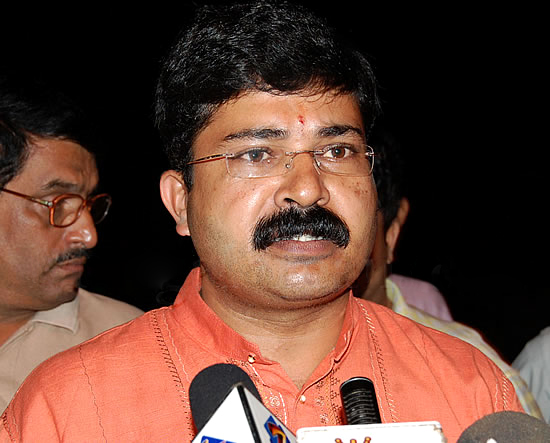
Background and role
The Bajrang Dal is a youth wing associated with the wider Sangh Parivar ecosystem; it advocates for what it describes as Hindu cultural causes and often mobilises around social and religious issues. Kumar served as the state convener for the Karnataka branch of the organisation and was active in local mobilisations and campaigns preceding the events for which he later became best known. For information on the organisation, see the Bajrang Dal entry: Bajrang Dal.
2008 attacks and legal proceedings
In September 2008 a series of attacks targeted churches, prayer centres and Christian organisations in Karnataka, triggering widespread condemnation and an inquiry into the incidents. Kumar was arrested by local authorities in connection with these attacks and spent time in custody; he later said he had been held for 42 days in Mangalore before being released on conditional bail by the Karnataka High Court. His detention and the charges against members of Hindu nationalist outfits prompted intense media scrutiny and political debate.
Later statements and political stance
Following his release Kumar made public statements that broke with the line of some groups with which he had been associated. He criticised the state government and leaders of the BJP, asserting that political considerations and instructions from Sangh Parivar affiliates had shaped official responses to the incidents. In news accounts he described the political handling of the affair as an attempt to limit embarrassment for those in power. That criticism was notable because the BJP was the governing party in Karnataka at the time; for context see material on the party: Bharatiya Janata Party. Kumar also referred to his period in custody in Mangalore: Mangalore.
Death and legacy
Mahendra Kumar died on 25 April 2020 of a reported heart attack at the age of 47. His death was reported in Indian media and prompted reflection on his role in a polarising episode of communal tension. Observers note that his trajectory—from a prominent regional activist to a detained suspect who publicly criticised political allies—illustrates the complex personal and political dynamics that can follow episodes of communal violence in India.
Key points
- Born in 1973; died 25 April 2020 of a heart attack.
- Served as the Karnataka convener of the Bajrang Dal, a Hindu nationalist youth organisation.
- Arrested after the September 2008 attacks on Christian institutions in Karnataka and held in Mangalore for several weeks before release on conditional bail.
- Later publicly criticised the handling of the incidents and questioned actions by political and organisational leaders.
Kumar's life and public statements remain part of broader discussions about communal relations, law enforcement, and political accountability in India. For further reading on the organisations and political actors mentioned here, consult entries and sources linked above.
Related articles
Author
AlegsaOnline.com Mahendra Kumar (1973–2020), Indian activist and Bajrang Dal leader Leandro Alegsa
URL: https://en.alegsaonline.com/art/60717
Sources
- hindu.com : "Ex-Bajrang Dal chief gets conditional bail"
- uniindia.com : JD(S) leader Mahendra Kumar no more