
Mahabharat (2013 Indian television series)
A comprehensive overview of the 2013 Hindi television adaptation of the ancient Sanskrit epic Mahabharata, covering its production, characters, broadcast history and cultural impact.
Overview
Mahabharat (2013) is an Indian Hindi-language television drama that retells the ancient epic commonly known as the Mahabharata. The series is a modern screen adaptation of the classical Mahabharata, presenting the central narrative of the Kurukshetra war and the moral, political and philosophical dilemmas faced by its characters. It was produced for mainstream television with contemporary production values and a serialized format designed for a broad audience.
Image gallery
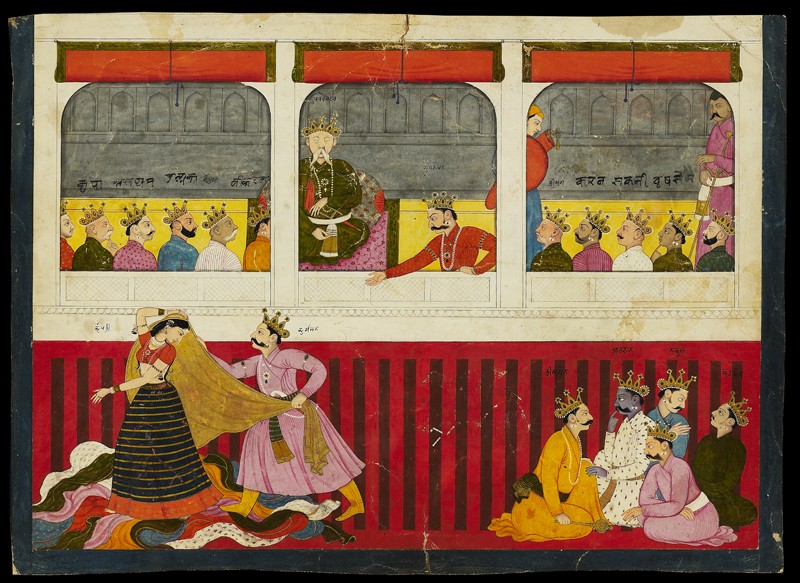
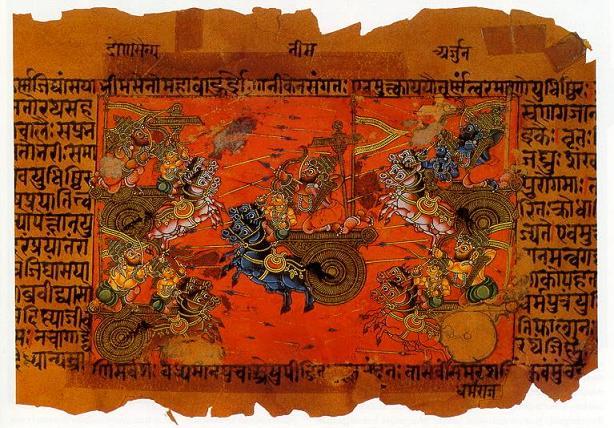
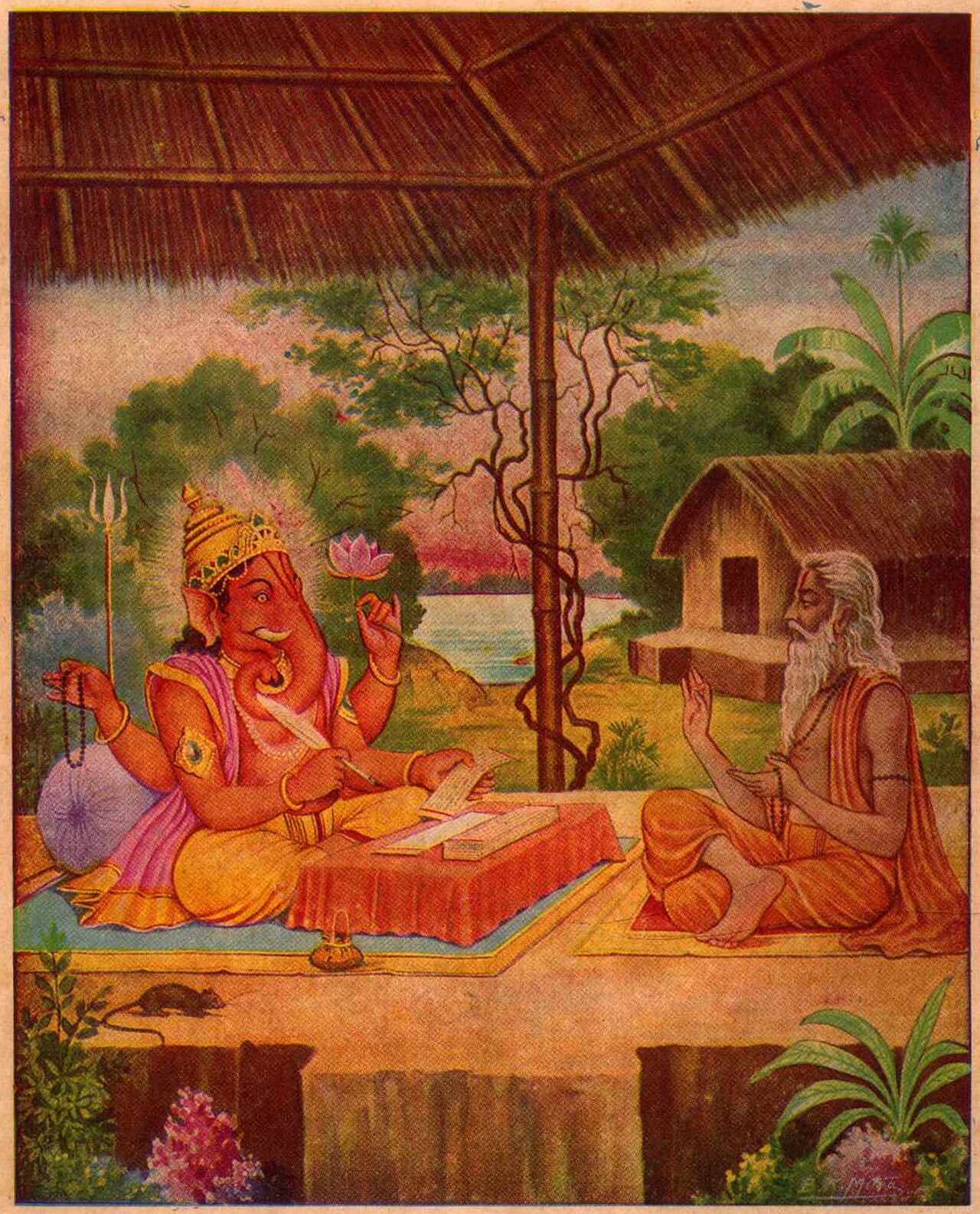
10 Images


Production and adaptation
The show was developed by Swastik Productions and aired on a major Hindi network. It sought to recreate the sweeping scope of the epic with extended episodes, visual effects, and a strong emphasis on costume and set design. While rooted in the traditional text, the television adaptation reorganizes episodes, highlights particular relationships and often expands scenes to fit the pacing of daily broadcast television. The series follows the tradition of prior televised retellings but uses modern filming, editing and production design to appeal to contemporary viewers.
Plot, structure and principal characters
The narrative follows rivalries within a royal family that culminate in the great battle at Kurukshetra. Central figures include the Pandavas and Kauravas, their allies, mentors and opponents. Key roles such as Krishna, Arjuna, Yudhishthira and Draupadi receive sustained dramatic focus. The program uses episodic arcs to cover origin stories, alliances, exile, and the final conflict, interweaving subplots that explore duty, fate, righteousness and the consequences of power.
Cast highlights and format
- The series features a large ensemble cast portraying legendary characters across many episodes.
- Performances, costumes and makeup are central to bringing mythic personalities to life for a television audience.
- Music, dialogue and staged battles are adapted for serialized daytime and prime-time viewing.
Broadcast history and reruns
Originally broadcast on a major network from September 2013 to August 2014, the series reached a wide domestic audience through regular weekday episodes. Owing to its popularity it has been rebroadcast on other channels; for example, it was retelecast on Star Bharat and remains part of the rotation of mythological programmes on Indian television. The show is an instance of how classic epics are repeatedly reinterpreted for successive generations.
Reception, cultural impact and distinctions
The adaptation drew attention for its scale, visual ambition and for introducing the epic to viewers unfamiliar with the original text. Critics and audiences have discussed its fidelity to source material, dramatic licenses taken for television pacing and the balance between devotional and entertainment elements. As a televised retelling, it sits alongside earlier and later adaptations, contributing to ongoing public engagement with the epic's characters and ethical debates.
Further context
For basic context about the original work, the series is derived from the classical Sanskrit epic and participates in a long tradition of retelling ancient narratives in regional languages and media. Information about the show's genre and language can be found in sources describing its place within Indian Hindi-language television drama trends.
Overall, the 2013 Mahabharat is an example of how televised drama can reinterpret foundational texts for modern audiences, blending spectacle with longstanding cultural themes.
Related articles
Author
AlegsaOnline.com Mahabharat (2013 Indian television series) Leandro Alegsa
URL: https://en.alegsaonline.com/art/60697
Sources
- indiatoday.intoday.in : indiatoday.intoday.in/story/parmavatar-shri-krishna-mahabharat-br-chopra-mythological-sho…
- hotstar.com : to check the no. of episodes are published correctly
- imdb.com : "Mahabharat (2013 TV series) Technical specifications"
- articles.timesofindia.indiatimes.com : "Mahabharat launced for the youth of the nation! - Times Of India"
- articles.timesofindia.indiatimes.com : "Shakuni's role in Mahabharat once in a lifetime: Praneet Bhatt"
- articles.timesofindia.indiatimes.com : "Is Shafaq Naaz miffed with Mahabharat makers?"
- articles.timesofindia.indiatimes.com : "Shaheer Sheikh and Rohit Bhardwaj's Buddy Diwali!"
- indiatoday.intoday.in : "Riding high on 'Mahabharat' ratings, Star Plus tops the chart"
- firstpost.com : "The new Mahabharat is an epic fail"