
Madame de Lafayette (Marie-Madeleine Pioche de La Vergne)
French writer (1634–1693), author of La Princesse de Clèves; an early practitioner of psychological realism and a notable figure in 17th‑century Parisian literary life.
Marie‑Madeleine Pioche de La Vergne, commonly known as Madame de Lafayette, was a French aristocrat and novelist born in Paris on 18 March 1634 and died there on 26 May 1693. She held the title of countess of La Fayette and moved in the literary circles of the capital. Her reputation rests chiefly on one work, a short novel that has been repeatedly discussed by critics for its psychological subtlety.
Image gallery
4 Images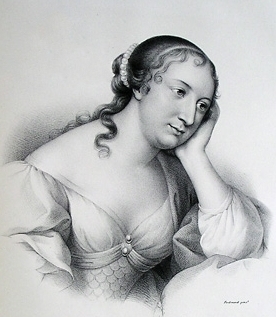


Life and literary circles
Madame de Lafayette belonged to the salon culture that shaped French letters in the 17th century. She is usually described as a French writer whose connections with other authors, patrons and letter‑writers helped refine her sense of character and social detail. Contemporary accounts place her at the heart of Parisian conversation and correspondence, and her life in the city of Paris framed much of her work.
La Princesse de Clèves and its publication
In 1678 she published anonymously the novel La Princesse de Clèves, which immediately attracted attention for its refined tone and moral seriousness. The book is set at the court of the Valois and dramatizes the tensions between passion and duty in the life of a married noblewoman. The date of its publication is commonly given as 1678, and its initial anonymity contributed to contemporary debate about authorship and propriety.
Characteristics and themes
Unlike many romantic or adventure narratives of the time, Madame de Lafayette's fiction privileges inner life and self‑examination. Readers and scholars highlight themes such as honor, female agency, restraint and the social pressures of court society. Her prose is often described as precise and controlled, aiming to render psychological conflict through dialogue, gesture and discreet observation.
Reception and legacy
The novel has been called one of the earliest examples of the modern psychological novel and has influenced later conceptions of realist fiction. It continues to be taught and translated, studied for its formal economy and its exploration of conscience. For further background on biographical details and textual history see contemporary resources and archival notes associated with her life and death: birth record, death entry.
- Notable work: La Princesse de Clèves
- Main themes: passion vs. duty, honor, inner conflict
- Context: salon culture and court society
- Further reading: critical introductions and annotated editions are widely available here and in scholarly collections here
Madame de Lafayette's compact narrative and focus on inner motivation mark a turning point in French narrative practice: from courtly anecdote toward sustained psychological portraiture. Her work remains a touchstone for discussions of gender, ethics and narrative form in early modern literature; for archival and edition information consult resources signposted by city, by date, and in scholarly guides to the period and to the text.
Related articles
Author
AlegsaOnline.com Madame de Lafayette (Marie-Madeleine Pioche de La Vergne) Leandro Alegsa
URL: https://en.alegsaonline.com/art/60432