
Mad Hatter (comics) — Jervis Tetch, Batman villain
Mad Hatter (Jervis Tetch) is a DC Comics villain who uses hat-themed devices and mind control against Batman. An ex-scientist obsessed with Alice in Wonderland, he appears in comics, animation and TV.
The Mad Hatter is the alias of Jervis Tetch, a recurring adversary of Batman in the comic books published by DC Comics. Constructed around the imagery and motifs of Lewis Carroll's Alice in Wonderland, the character is best known for combining childlike theatrics and Victorian costume with a dangerous expertise in neuroscience and hypnotic technology.
Image gallery
3 Images
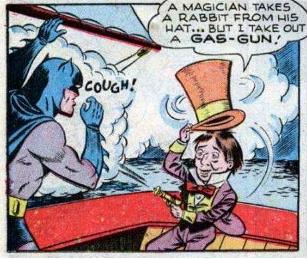
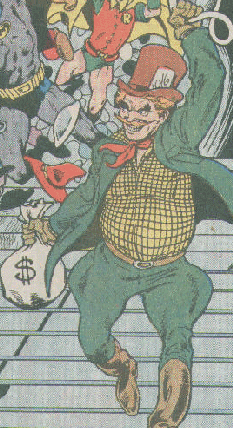
Character and abilities
Originally presented as a scientist who developed devices capable of controlling or influencing other people, Jervis Tetch frequently deploys modified hats and hat-shaped devices as both weapons and delivery systems for mind control. His tactics range from sophisticated hypnotic headgear and remote-control mechanisms to more low-tech tricks such as hallucinogenic gas or poisoned darts concealed in hat brims. The Mad Hatter's signature trait is his obsession with the Alice stories; he often adopts that persona and expects others to play out roles from the tale.
Typical tools and methods
- Hypnotic headsets and hat-shaped transmitters used to override free will.
- Specialized firearms and gas-emitting devices disguised as accessories.
- Elaborate role-playing scenarios that manipulate victims psychologically.
Beyond equipment, Tetch's danger comes from combining technological skill with a deeply disturbed mind. Writers have depicted him variously as a delusional criminal who truly believes in Wonderland role-play, and as a calculating scientist who weaponizes his inventions. His crimes often explore themes of identity, control, and the loss of agency.
Publication history and media appearances
The Mad Hatter has appeared repeatedly across Batman comics and adaptations. He featured in animated series and video games, and was notably voiced by Roddy McDowall in Batman: The Animated Series. Live-action television has also adapted the character for modern audiences, emphasizing his fixation on mind control and theatrical presentation.
As part of Batman’s rogues gallery, the Mad Hatter remains a distinctive foe: visually memorable, thematically focused on control and madness, and consistently used to examine the vulnerabilities of hero and citizen alike when free will is undermined.
Related articles
Author
AlegsaOnline.com Mad Hatter (comics) — Jervis Tetch, Batman villain Leandro Alegsa
URL: https://en.alegsaonline.com/art/60411