
Mad Libs: Fill-in-the-Blank Word Game and Educational Tool
Mad Libs is a fill-in-the-blank word game created in 1958. Players supply words by part of speech to produce humorous, often nonsensical stories; it is popular for parties and language teaching.
Mad Libs is a fill-in-the-blank word game in which one player prompts others for words by part of speech and then inserts those words into a prepared story. Because contributors do not see the surrounding text, the completed story is often absurd, surprising and humorous. The game emphasizes quick recall of nouns, verbs, adjectives and other word types rather than narrative continuity.
Image gallery
1 Image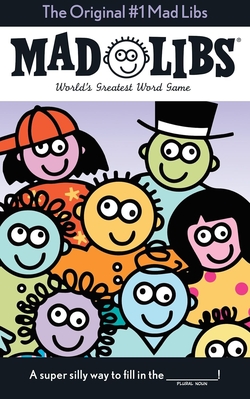
How the game works
Play generally follows a simple pattern. A story text contains blanks labelled with categories such as "noun," "adjective," "past tense verb," "plural noun" or "proper name." One player — usually called the reader — asks for words that match each category, writing them down without giving context. After all blanks are filled the reader inserts the supplied words into the story and reads the result aloud. The mismatch between requested word types and the unseen sentence context produces the comic effect that defines Mad Libs.
Common categories and examples
- Noun, plural noun
- Verb (base form) and past-tense verb
- Adjective and adverb
- Proper noun (person, place) and occupation
- Body part, number, exclamation, emotion
Some editions include themed vocabulary prompts such as holiday terms, movie- or sports-related words, or pop-culture categories (for example, "celebrity name"). The variety of possible prompts is one reason the format remains adaptable.
Origins and development
Mad Libs was created in 1958 by humor writers Roger Price and Leonard B. Stern. The name plays on the theatrical term "ad lib," implying an improvised or "mad" variation. The format was first published in small paper booklets and later issued in many themed editions and collections. Over time, the concept has been adapted into classroom worksheets, party books, and digital generators and apps that follow the same fill-in-the-blank principle.
Educational uses and appeal
Teachers and language instructors commonly use Mad Libs to reinforce parts of speech and to develop familiarity with grammatical categories. Because the activity is framed as playful and unpredictable, it can reduce anxiety about language exercises and encourage participation from reluctant learners. It also serves as a warm-up for creative writing, helping students think quickly about word choice and function.
Variations and cultural presence
There are many variations of the basic format: multi-player party versions, print-and-fill classroom worksheets, online Mad Libs generators, and themed books tied to holidays, movies or television. The central rule that contributors do not see sentence context distinguishes Mad Libs from other collaborative writing games and preserves the element of surprise. The format has influenced improvisational and language-play activities more broadly and remains a widespread party and classroom pastime.
Practical tips and making your own
- Choose a short story or paragraph and identify 8–20 blanks to replace with prompts.
- Label blanks with parts of speech or categories, and ask players for words without revealing the story text.
- Encourage a mix of ordinary and unexpected responses to heighten humor.
- Use themed vocab to tailor the activity for age groups or subject lessons.
Mad Libs remains a simple, flexible activity that blends language practice with social play. Its enduring popularity comes from the ease of play, the variety of available editions and the reliably comic results when ordinary parts of speech are placed into surprising contexts.
Related articles
Author
AlegsaOnline.com Mad Libs: Fill-in-the-Blank Word Game and Educational Tool Leandro Alegsa
URL: https://en.alegsaonline.com/art/60412