
Machiko Kyō — Japanese film actress and international star of the 1950s
Biography and career summary of Machiko Kyō (1924–2019), a leading Japanese actress known for Ugetsu, Gate of Hell, The Teahouse of the August Moon and other postwar films.

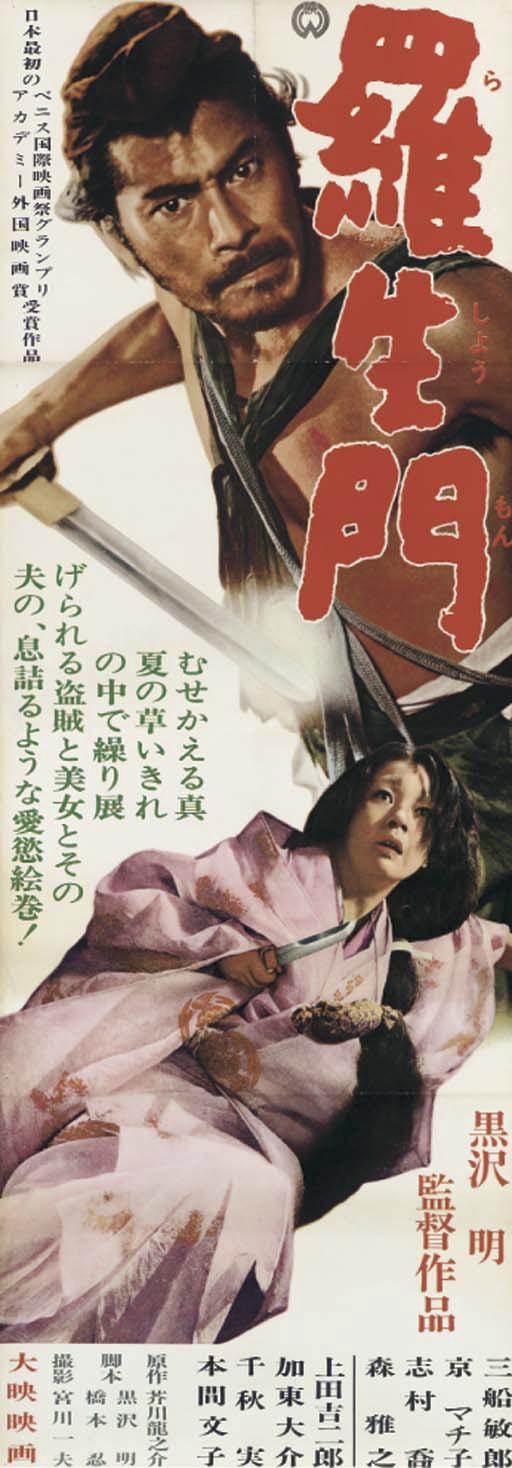
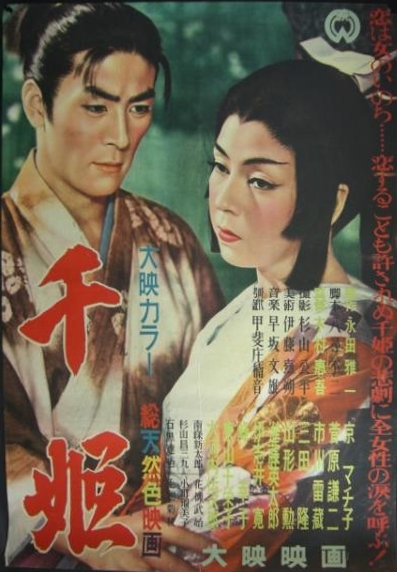
Machiko Kyō (京 マチ子, March 25, 1924 – May 12, 2019) was a prominent Japanese film actress whose career reached its peak in the 1950s. Born in Osaka, she became widely recognized at home and abroad for her portrayals of complex, often tragic or elegant women. Her screen work linked her with some of Japan's most celebrated directors and brought her into international productions and festivals.
Image gallery
6 Images


Career and notable roles
Kyō worked across a range of genres from period dramas to contemporary social comedies. Several of her performances are frequently cited when discussing postwar Japanese cinema:
- Ugetsu (1953) — directed by Kenji Mizoguchi; Kyō's role in this lyrical ghost story helped secure her reputation as a serious dramatic actress.
- Gate of Hell (1953) — a color period film in which her presence contributed to the movie's international visibility; the picture was widely screened outside Japan and brought attention to Japanese production values of the era.
- The Teahouse of the August Moon (1956) — a Hollywood production in which she co-starred opposite Marlon Brando and Glenn Ford; this role earned her a Golden Globe nomination and introduced her to Western audiences.
- Odd Obsession (1959) — directed by Kon Ichikawa; another notable example of her collaboration with major Japanese filmmakers.
Artistry and collaborations
Kyō was particularly admired for a calm screen presence that could convey inner turmoil with minimal gesture. Directors relied on her ability to inhabit characters who combined dignity with emotional complexity. Her work with auteurs such as Kenji Mizoguchi and Kon Ichikawa placed her among the generation of actors who helped Japanese cinema gain recognition at international festivals in the 1950s.
Later life and legacy
Although the 1950s and early 1960s were the high point of her film career, Kyō continued to act in film and television in subsequent decades. Her final credited role was as Matsuura Shino in the NHK television drama series Haregi Koko Ichiban (2000). She remained a figure of interest to film historians and cinephiles studying the postwar period.
Machiko Kyō died on May 12, 2019 at the age of 95 from heart failure. Her body of work is often cited in surveys of Japanese cinema for its contribution to the medium's international profile and for the memorable, nuanced characters she created on screen.
Selected facts and distinctions
- Recognized internationally through festival screenings and a Golden Globe nomination.
- Worked with leading directors of Japan's classical period of cinema.
- Remembered for roles that combined restrained elegance with emotional depth.
Kyō's career illustrates the postwar expansion of Japanese film into global conversations about cinema. Her performances continue to be shown, studied, and cited in histories that trace how Japanese directors and actors influenced world cinema in the mid‑20th century.
Related articles
Author
AlegsaOnline.com Machiko Kyō — Japanese film actress and international star of the 1950s Leandro Alegsa
URL: https://en.alegsaonline.com/art/60335
Sources
- japan-academy-prize.jp : "会長特別賞"
- sponichi.co.jp : "女優の京マチ子さん 心不全で死去 95歳 「羅生門」などに出演"