
M1917 Browning machine gun
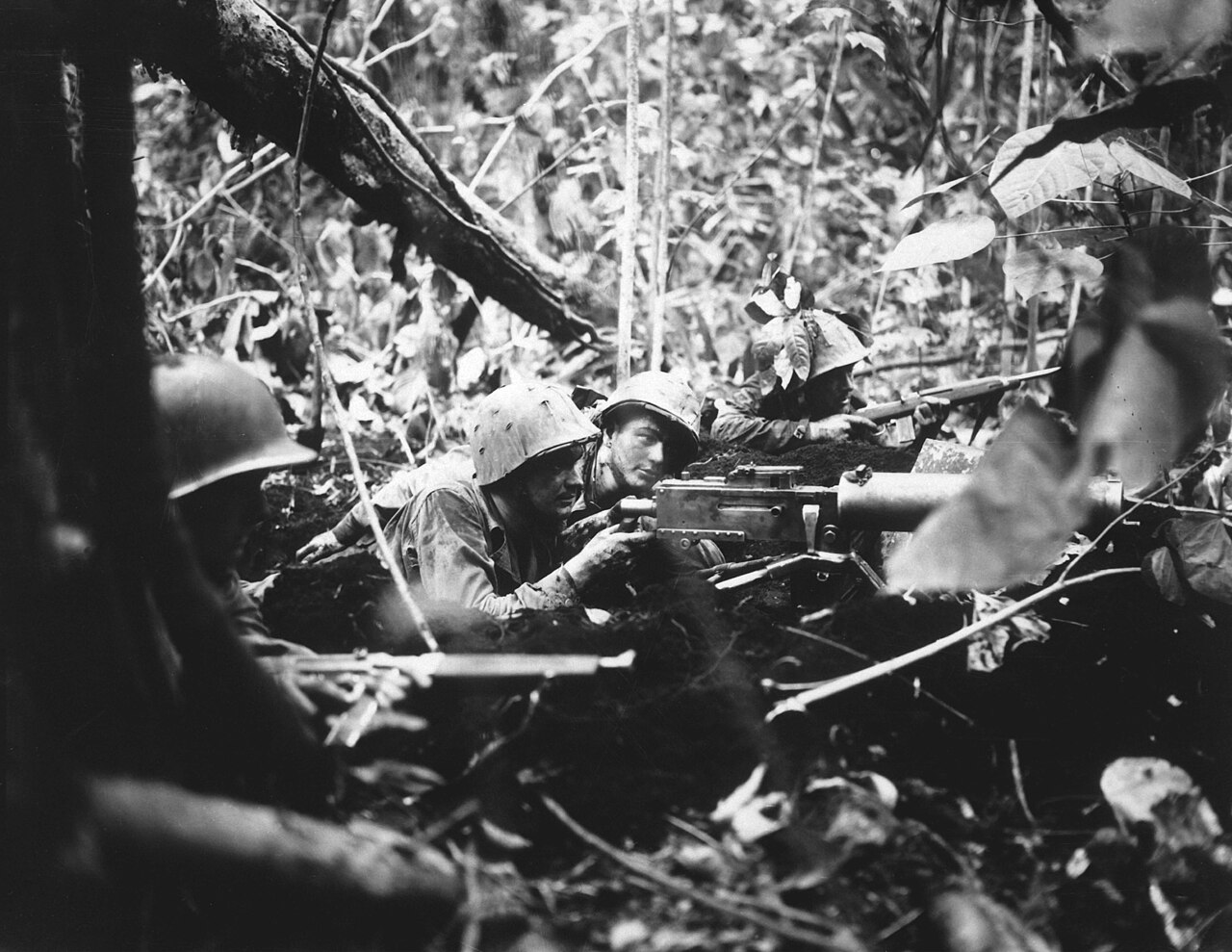
Heavy, water-cooled .30-06 machine gun designed by John Browning, used by U.S. forces in World War I and II. Known for sustained fire, tripod mounting, and later replacement by lighter air-cooled models.
Overview
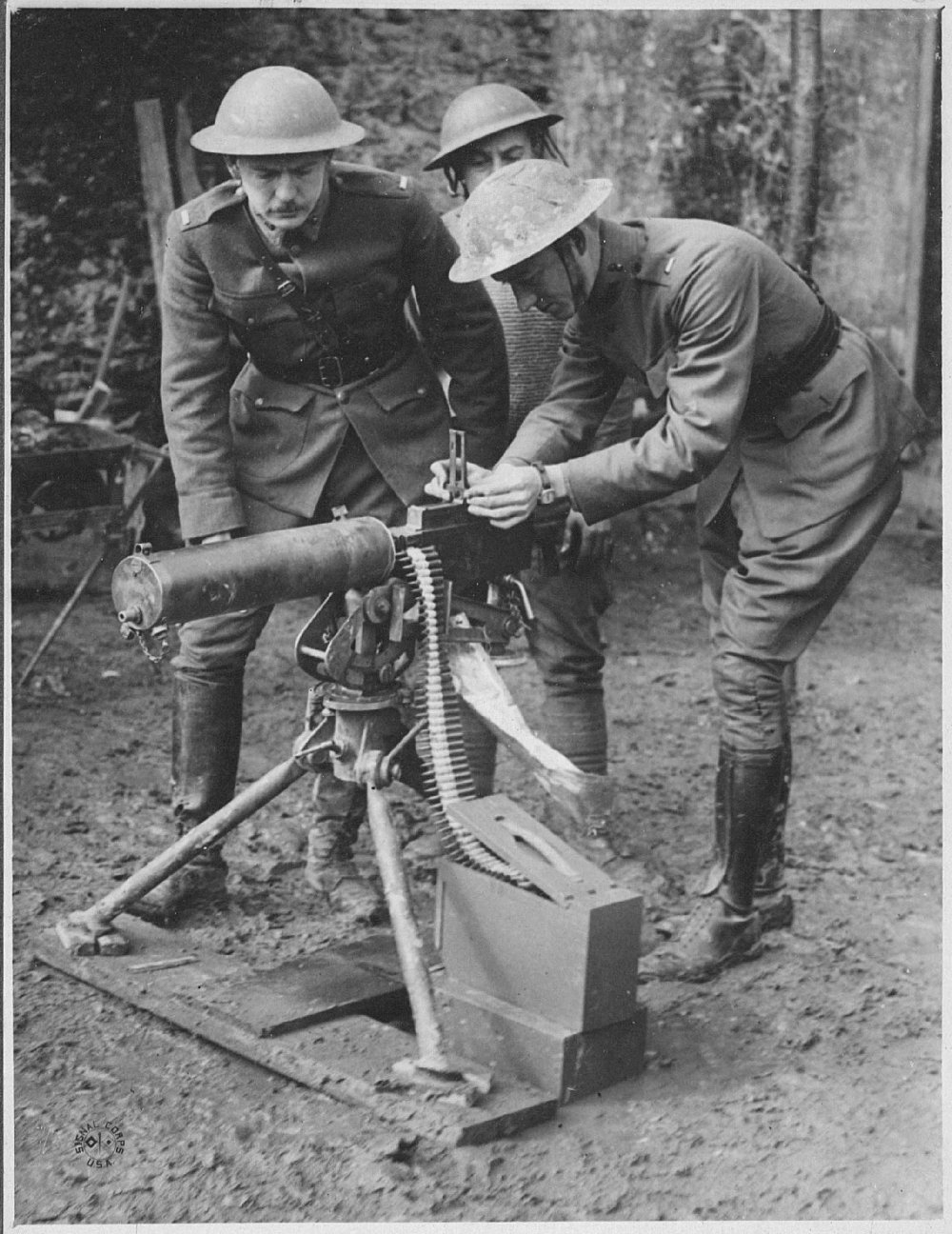
The M1917 Browning is a belt-fed, water-cooled heavy machine gun chambered for the .30-06 Springfield cartridge. Designed by firearms inventor John Browning and adopted by the United States in the First World War era, it became a standard support weapon for American and allied infantry. Its water jacket allowed long periods of sustained fire, making it valuable in defensive roles and on fortified positions.
Image gallery
10 Images




Design and characteristics
The M1917 is characterized by a robust receiver, a water-filled cooling jacket around the barrel, and a tripod or pintle mount for stable long-range fire. The water cooling system reduced barrel overheating at the cost of additional weight and logistical support. The gun is fed by ammunition belts and fired the widely used .30-06 Springfield cartridge.
- Role: heavy machine gun intended for sustained fire support.
- Cooling: water-cooled barrel jacket for prolonged firing sessions.
- Mounting: tripod or vehicle mounts for stability and accuracy.
- Weight considerations: significantly heavier in service due to water and tripod, which limited its portability compared with later air-cooled designs.
Service history
The M1917 entered U.S. service during World War I and remained in widespread use through the interwar period and into World War II. It was employed in trench defense, rear-area security, and on vehicles and mounts where its sustained-fire capability was important. The gun saw action with American forces in both World War I and World War II, although by the latter conflict its dominance had been reduced by newer designs.
Replacement and variants
Over time the M1917 was largely supplanted by lighter air-cooled designs, most notably the M1919 series, which sacrificed some sustained-fire endurance for much greater mobility. The shift reflected tactical changes favoring more mobile infantry operations. The M1917 however continued to be used where sustained fire was required or in static defenses. Contemporary descriptions often contrast the water-cooled M1917 with the lighter M1919 and with other heavy Browning designs.
Legacy and notable facts
The M1917 is remembered for its reliability and for enabling long bursts of accurate suppressive fire. As a John Browning design, it shares a lineage with other influential firearms and represents an important stage in the evolution from heavy, water-cooled weapons to more portable, air-cooled machine guns. It served alongside and in some roles alongside other heavy weapons, and examples remain in collections and museums. Technical discussions and historical accounts continue to cite the M1917 when illustrating early 20th-century automatic weapon development.
For further reading on cartridge specifics, wartime deployment, and technical diagrams see sources linked here: .30-06 details, World War I service, World War II use, heavy machine gun classification, and M1919 comparison.
Author
AlegsaOnline.com M1917 Browning machine gun Leandro Alegsa
URL: https://en.alegsaonline.com/art/60210