
Lutherstadt Wittenberg
Historic town in Saxony-Anhalt, Germany, renowned as the center of the 16th‑century Reformation and home to key Luther memorials, historic churches, and university buildings.

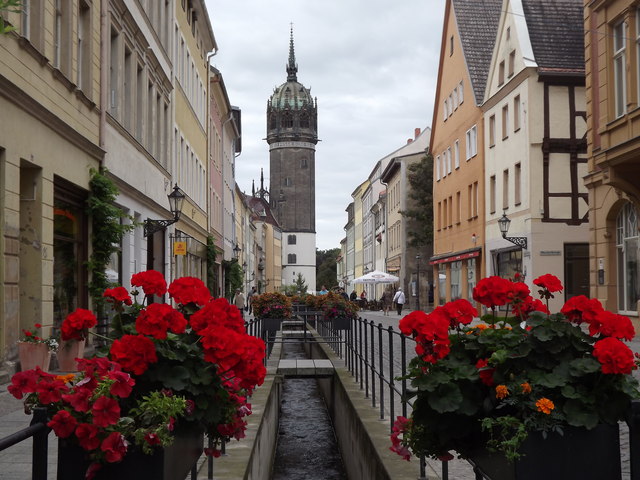
Lutherstadt Wittenberg is a town in eastern Germany known for its central role in the Protestant Reformation and for well‑preserved historic architecture. Officially called "Lutherstadt Wittenberg," the name reflects the town's close association with Martin Luther and other reformers. The German name is often given alongside its Low Saxon form; for the Low Saxon version see Wittenbarg. Wittenberg lies on the Elbe river within the federal state of Saxony‑Anhalt and has an urban character that combines medieval streets, Renaissance and Baroque buildings, and later developments.
Image gallery
10 Images




Overview and characteristics
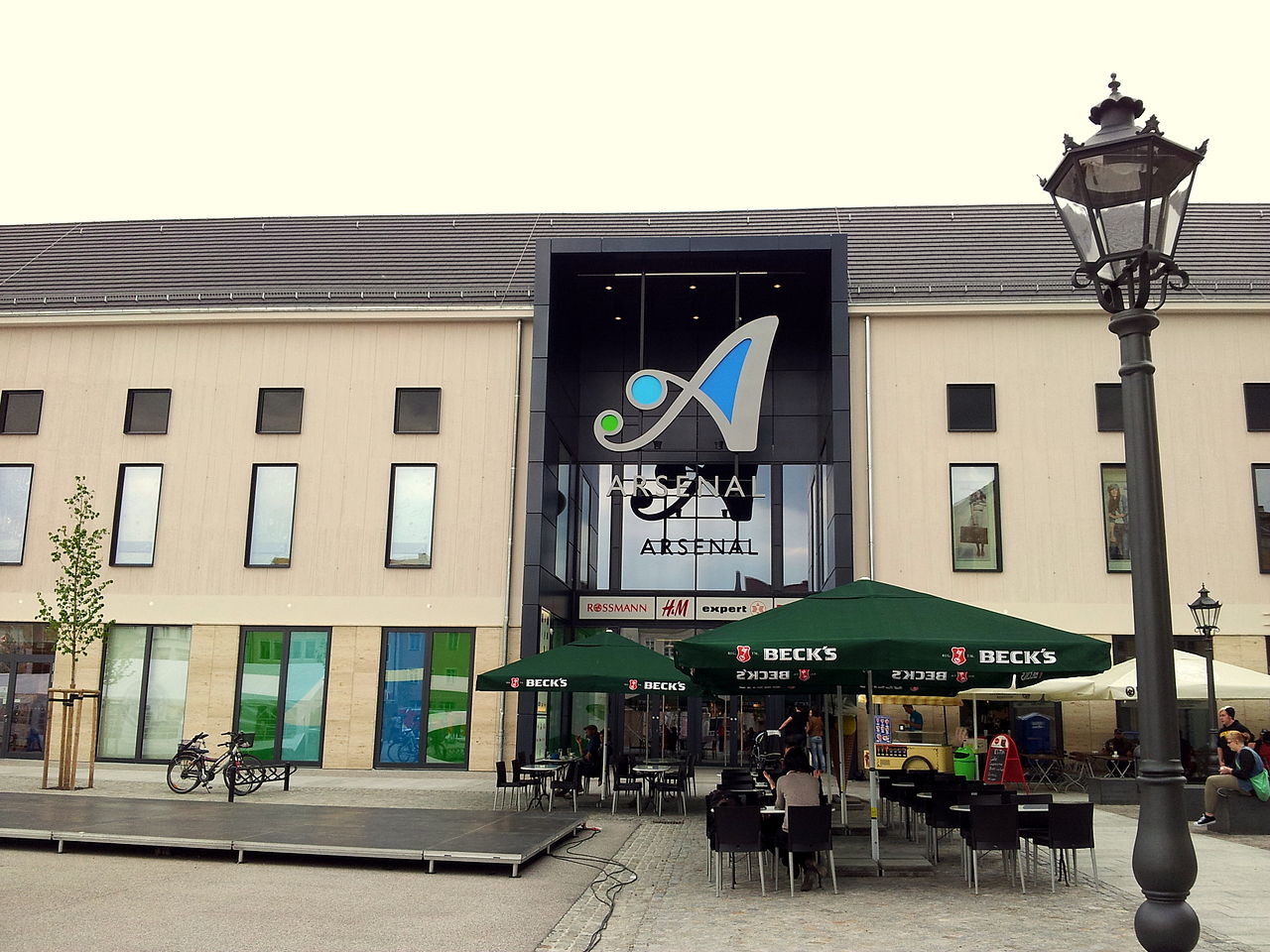
Wittenberg has a population of roughly 46,000 inhabitants and sits at about 51°52′ N, 12°39′ E. The town grew around an electoral castle and a market that benefitted from river traffic on the Elbe. Its historic centre contains compact streets and public squares where civic, ecclesiastical and academic life once intersected. Many of the buildings associated with the Reformation period have been conserved, restored, and adapted into museums, memorials and cultural venues, making the town an important destination for visitors interested in European religious, intellectual, and artistic history. For regional information and visitor resources, consult local guides such as municipal or tourism pages.
History and significance
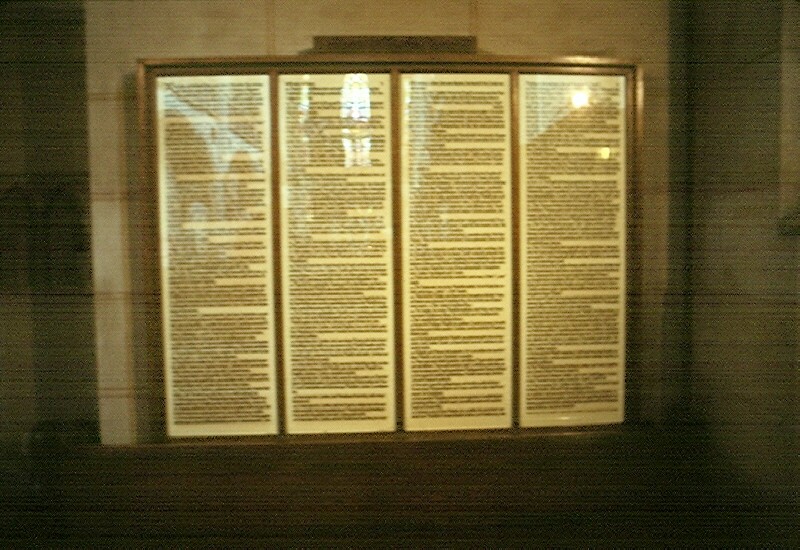
Wittenberg's recorded development accelerated in the late Middle Ages and reached international prominence in the early 16th century. The University of Wittenberg (often called Leucorea) was founded by the Elector Frederick the Wise and became a center for theological study. Martin Luther taught and preached in the town; it is here that his critiques of church practice and theology took public form. The famous episode of the Ninety‑Five Theses (1517) and subsequent debates led Wittenberg to become the focal point of profound religious change across Europe. Philipp Melanchthon and other scholars also contributed to the town's intellectual life.
Notable sites and cultural heritage
- All Saints' Church (Schlosskirche) – the castle church associated with Luther and a traditional site for commemorating reform history.
- Lutherhaus – the former home of Martin Luther, now a museum presenting his life and work.
- Melanchthonhaus – the residence of Philipp Melanchthon, preserved as a museum of humanist learning.
- Electoral Castle (Schloss) – remnants and reconstructions that reflect the town's earlier political importance.
- Historic market square, guild houses and town hall illustrating late medieval and early modern civic architecture.
Many of these places form part of the ensemble inscribed as a UNESCO World Heritage Site under the title "Luther Memorials"; visitors may refer to curated exhibitions and official listings for details via organizations and heritage listings such as heritage pages.
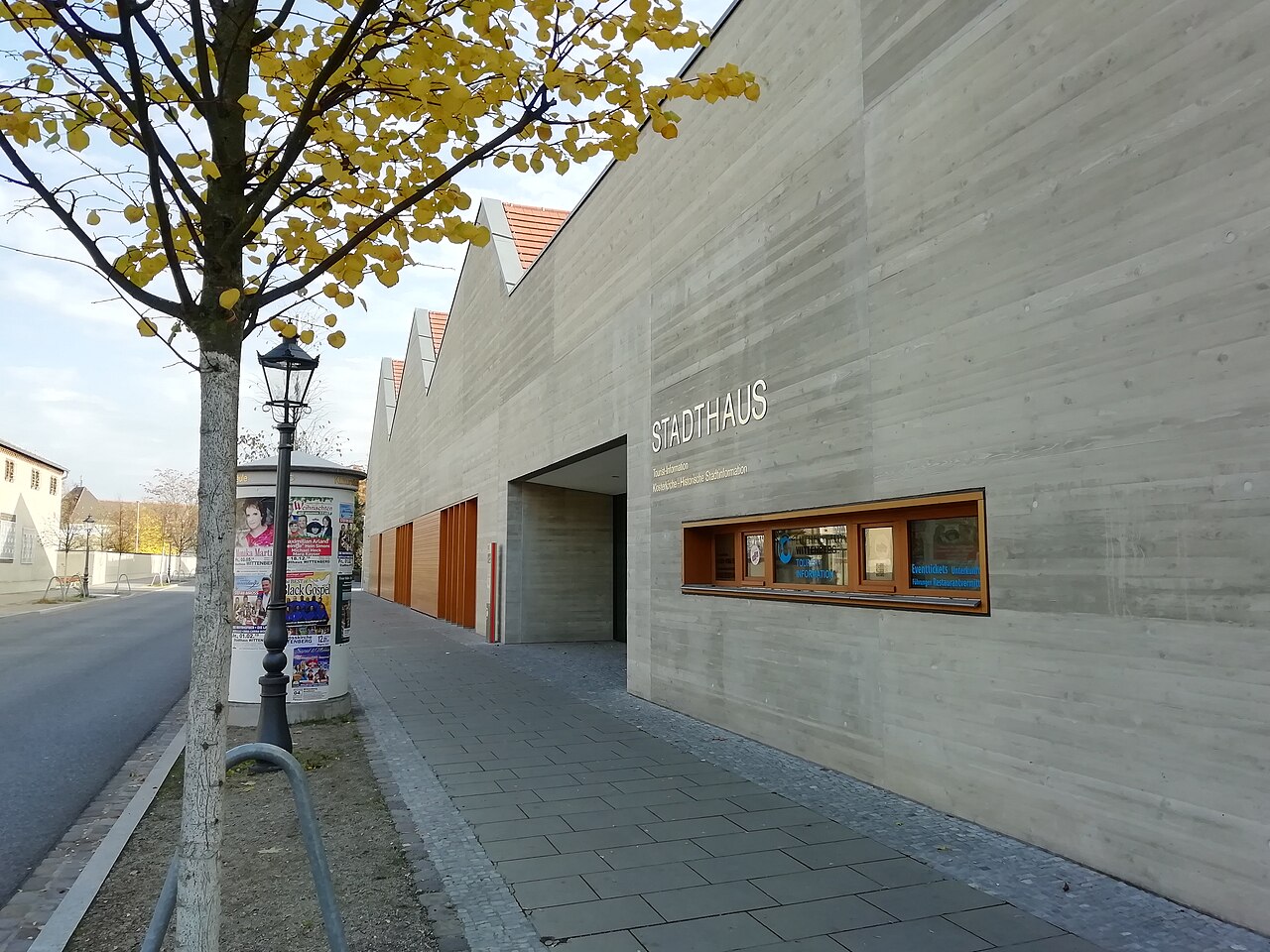
Wittenberg remains a pilgrimage and study destination for those interested in the Reformation, theology, and early modern history. Commemorative events, scholarly conferences, and heritage‑oriented tourism regularly take place there. The town also participates in broader cultural routes and cycling trails that follow the Elbe and connect places of historical interest. Practical information about visiting, current exhibitions, and events is available from local institutions and visitor centers that provide schedules, guided tours, and educational programs; see official resources at visitor and museum guides.
Beyond its specific religious significance, Wittenberg is notable for how a relatively small urban center influenced language, education, and politics across German‑speaking lands. Its architecture and museum landscape offer an accessible record of those historical processes, and the town continues to balance preservation with the needs of a modern community in Saxony‑Anhalt.
Related articles
Author
AlegsaOnline.com Lutherstadt Wittenberg Leandro Alegsa
URL: https://en.alegsaonline.com/art/60018
Sources
- destatis.de : "Alle politisch selbständigen Gemeinden mit ausgewählten Merkmalen am 31.12.2018 (4. Quartal)" · web.archive.org
- statistik.sachsen-anhalt.de : "Bevölkerung der Gemeinden – Stand: 31.12.2015"
- commons.wikimedia.org : Wittenberg