
Lusaka — Capital and Largest City of Zambia
Lusaka is Zambia’s capital and largest city, situated on a central plateau. It is the country’s administrative, commercial, and transport center with a rapidly growing population and diverse urban economy.
Overview
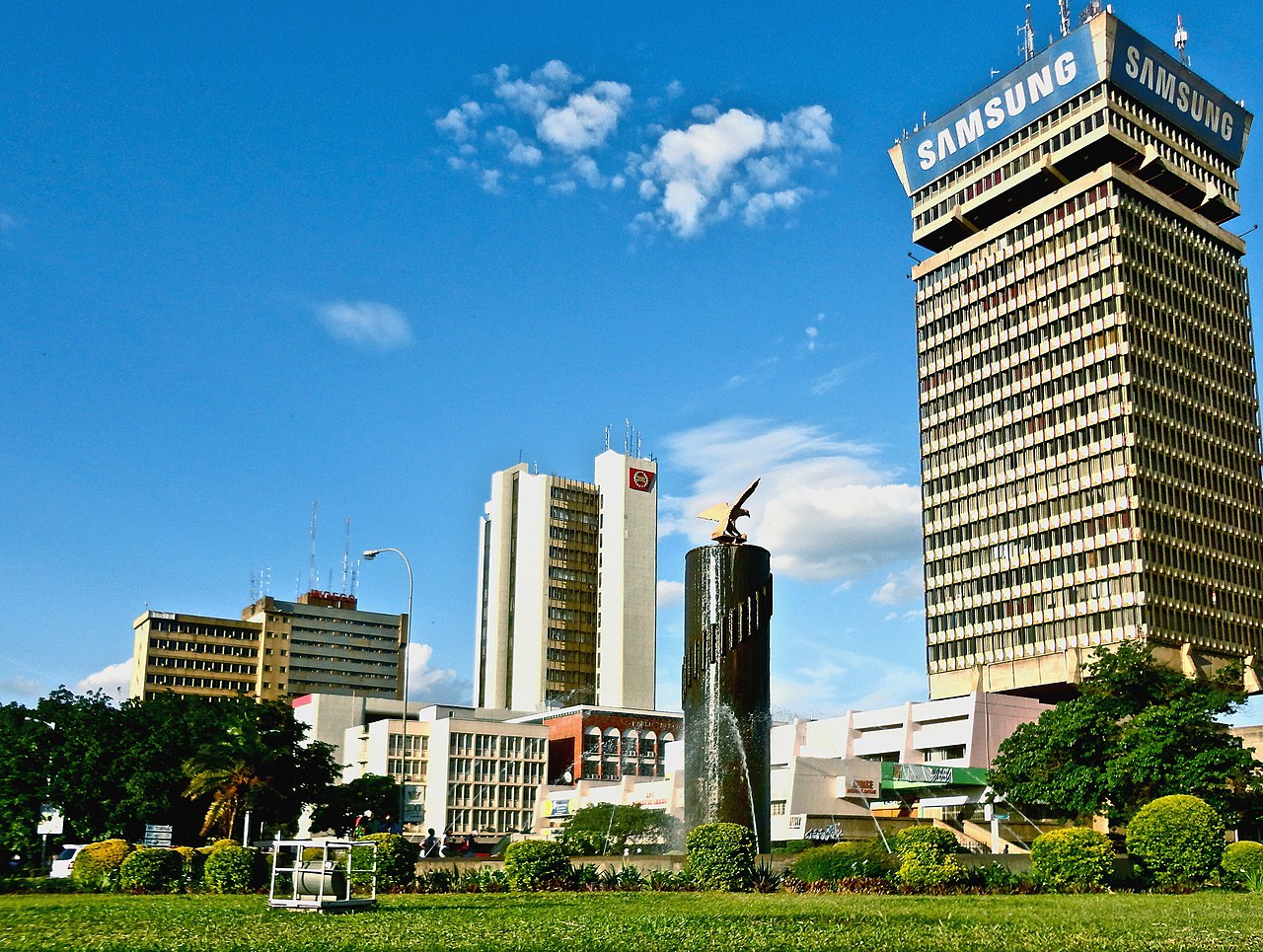
Lusaka is the capital of Zambia and the nation’s largest city. Located in south-central Zambia, it functions as the principal seat of government, a national commercial hub and a focal point for domestic and regional transport. The city proper has a population in excess of one million people, with metropolitan suburbs and informal settlements making the urban area substantially larger.
Image gallery
10 Images





Geography and climate
The city lies on a high central plateau, at roughly about 1,300 m above sea level, which moderates temperatures compared with lower-altitude tropical places. This elevation gives Lusaka a relatively mild tropical savanna climate with a distinct rainy season and a cooler, drier winter period. Its position in the interior of the country makes it a crossroads for roads and rail linking surrounding provinces.
History and development
Before the 20th century the site was a collection of small villages and farms. The arrival of rail and road infrastructure stimulated growth, and during the colonial era the town grew steadily until it was designated the capital in the early 20th century. Since independence Lusaka has expanded rapidly, driven by administrative investment, rural-to-urban migration and commercial development.
Economy, transport and institutions
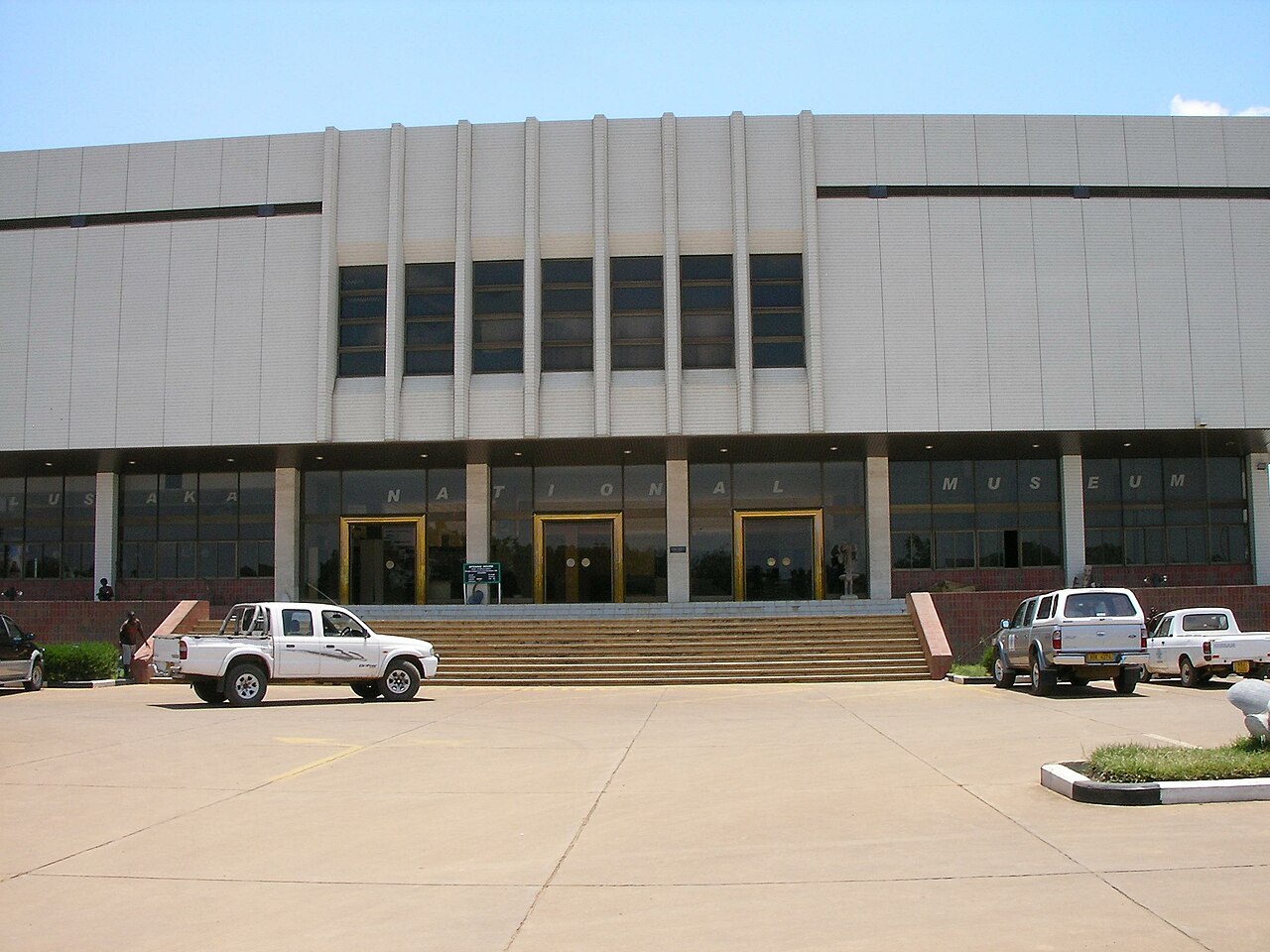
Lusaka’s economy is diverse: government administration, commerce, services, light industry and a growing services sector that supports mining and agriculture in surrounding regions. The city is served by an international airport and several arterial highways and rail links that connect to other parts of the country and neighboring states. Key public institutions, ministries and diplomatic missions are concentrated in the central areas.
Culture, markets and city life
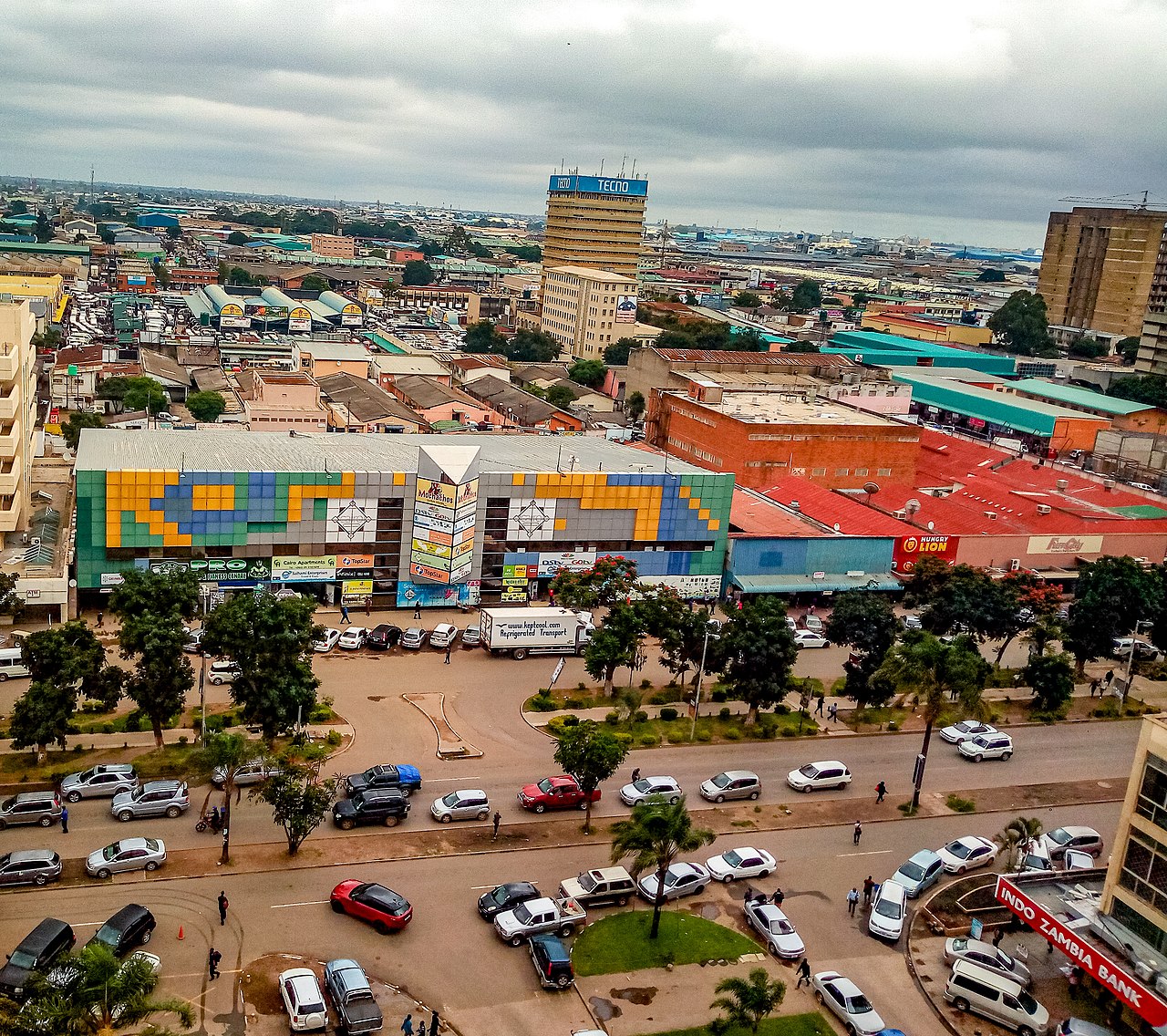
The urban fabric mixes a formal central business district, residential suburbs and informal market zones. Lusaka’s markets, cultural venues and restaurants reflect the country’s ethnic diversity and urbanizing population. Visitors and residents use bazaars and shopping centres alongside museums and public parks for leisure and commerce.
Notable facts and distinctions
- Lusaka is the political and administrative heart of Zambia, hosting national government offices.
- The city sits on a high plateau at this elevation, which influences its climate and vegetation.
- Lusaka has grown from a small settlement into a major urban centre and continues to expand as Zambia’s primary hub for trade and transport.
Related articles
Author
AlegsaOnline.com Lusaka — Capital and Largest City of Zambia Leandro Alegsa
URL: https://en.alegsaonline.com/art/59978
Sources
- citypopulation.de : citypopulation.de/en/zambia/cities/
- lcc.gov.zm : City of Lusaka Website · web.archive.org
- climexp.knmi.nl : climexp.knmi.nl/
- itu.int : "Zambia" · web.archive.org