
Luge: the high-speed Winter Olympic sliding sport
Luge is a fast, gravity-powered winter sliding sport where athletes ride small sleds feet-first. It is an Olympic discipline, known for high speeds, precise technique, and challenging ice tracks.
Overview
Luge is a winter sliding sport in which a rider or pair lies on a small, aerodynamic sled and races down an ice track feet-first. The objective is to complete the course in the shortest combined time over several runs. Luge is contested at the Winter Olympics and at international and national championships governed by the sport's federation.
Image gallery
10 Images







Equipment and technique
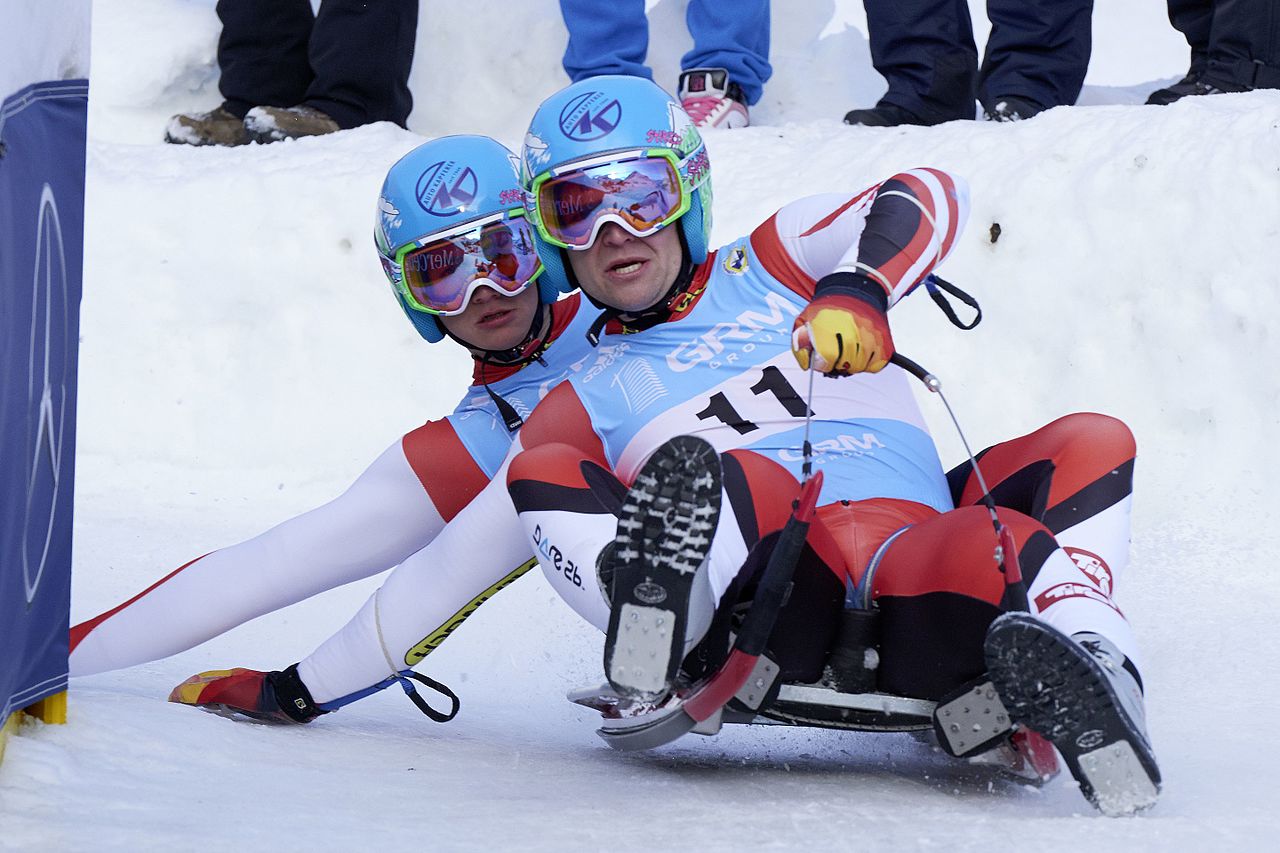
A luge sled is minimal and built for speed and control. Key components include low, curved steel runners, a rigid bridge to connect the runners, and a lightweight body that the athlete lies on. Steering is subtle: racers use calf pressure, shifts of body weight and shoulder movements to influence the sled's trajectory. Starts require explosive arm and shoulder work to generate early momentum; races then depend on maintaining an aerodynamic position and precise steering.
Events and competition format
Competitive luge includes men's and women's singles, doubles (traditionally open, but often male), and a team relay that links different runs into a combined timed event. The sport has been part of the Olympic program since the mid-20th century and continues to evolve with safety and timing technologies. The international governing body, the FIL, oversees rules, tracks, and qualifications.
Tracks, speed and safety
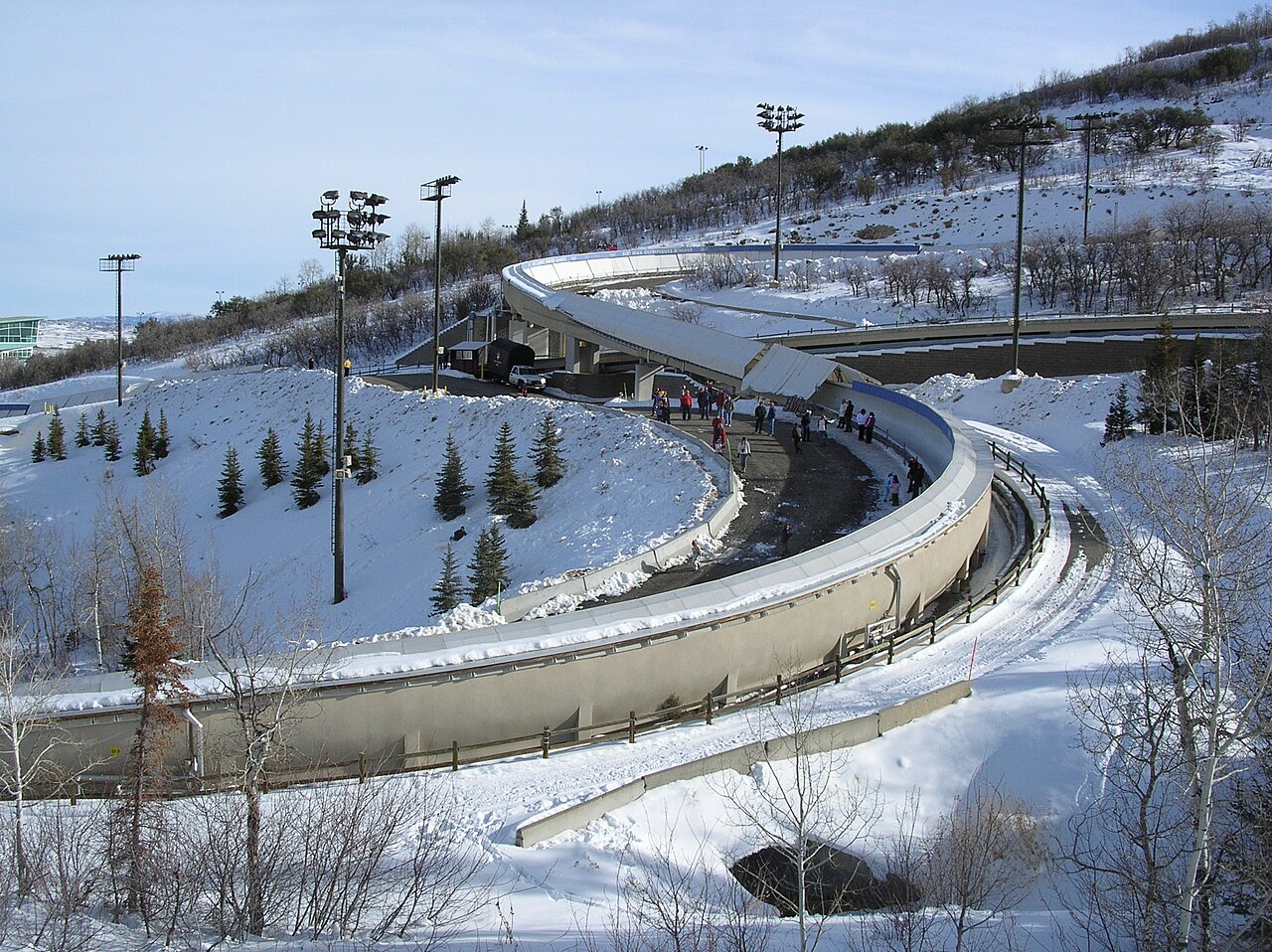
Luge tracks are refrigerated, iced courses with banked curves and long straightaways; they can produce very high speeds—top athletes routinely exceed speeds of 130 km/h. Because of the velocity and precision required, luge is considered one of the more dangerous sliding sports, often compared with bobsleigh for speed and risk. Tracks are engineered with safety features, but incidents have led to design and protocol changes.
Notable incidents and developments
Concerns about track safety gained international attention at the 2010 Winter Games in Vancouver. During a training run at the Whistler track, a Georgian luger, Nodar Kumaritashvili, was fatally injured, prompting immediate review of track profiles and start positions. The event—covered widely during the 2010 Games in Vancouver—led organizers and federations to tighten safety measures, alter start locations on some tracks, and improve athlete protection.
History and cultural significance
Luge traces its roots to Alpine sledding traditions and developed into an organized sport in Europe. It has a strong following in countries with established sliding programs, and technological and training advances continue to push performance boundaries. While thrilling to watch, luge remains a discipline where equipment, track knowledge and split-second decisions determine outcomes.
Quick facts
- Racing positions: singles (men/women), doubles, team relay.
- Governing body: International Luge Federation (FIL).
- Noted for high speeds, precise steering, and technical starts.
Related articles
Author
AlegsaOnline.com Luge: the high-speed Winter Olympic sliding sport Leandro Alegsa
URL: https://en.alegsaonline.com/art/59810