
Lucie Aubrac — French teacher and Resistance activist (1912–2007)
Lucie Aubrac, born Lucie Bernard (1912–2007), was a French schoolteacher who became a noted member of the French Resistance during World War II and a public figure in postwar memory of the conflict.
Lucie Aubrac (born Lucie Bernard; 29 June 1912 – 14 March 2007) was a French schoolteacher who became a prominent participant in the clandestine struggle against the German occupation during World War II. Widely remembered by her wartime name, she combined teaching and family responsibilities with sustained underground activity and later helped shape public remembrance of the Resistance.
Image gallery
3 Images
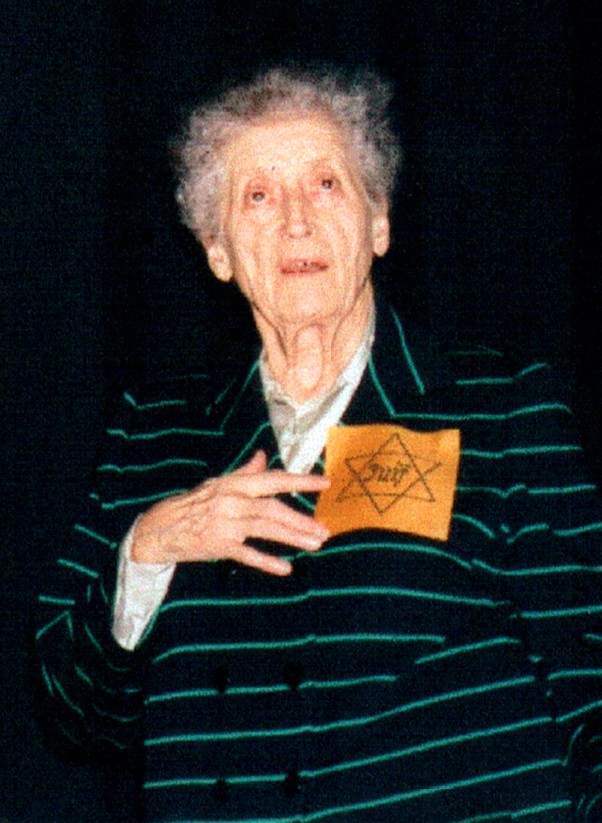

Background and wartime activity
Aubrac trained and worked as a history teacher before and during the early years of the occupation. She joined networks of resistants who carried out a variety of tasks — passing information, forging identity papers, organizing escapes and making contact between groups. Her involvement placed her in the dangerous position of operating in secret, often under assumed names and constant threat of arrest. She is closely associated with the story of a high-profile effort to secure the release of her husband after his detention by occupying forces; this episode became one of the best-known anecdotes of civilian resistance in France.
Later life and legacy
After the war Aubrac resumed a more public life. She and her husband, Raymond Aubrac, remained active in discussions about wartime memory and civic values. She also continued to be identified in public discourse as a symbol of moral courage and of the often-overlooked roles played by women in resistance work. Some aspects of individual narratives from wartime were later examined and debated by historians — a common feature in studies of clandestine movements — but Aubrac's place as a central figure in French popular memory persisted.
Key facts
- Born Lucie Bernard on 29 June 1912; took the name Aubrac after marriage.
- Profession: history teacher and resistance activist.
- Associated with operations to help prisoners and to undermine the occupation authorities.
- Died in Issy-les-Moulineaux, near Paris, on 14 March 2007, aged 94; survived by three children and her husband, Raymond.
Her life is often cited in surveys of civilian resistance as an example of how ordinary professions and private lives intersected with political struggle. Discussion of her actions offers an entry point into broader themes: the role of women in clandestine networks, the risks of underground work, and the ways that postwar societies remember and reassess episodes of conflict. For further context on the movements and events in which she took part, see resources on the French Resistance and the wider European conflict of World War II.
Related articles
Author
AlegsaOnline.com Lucie Aubrac — French teacher and Resistance activist (1912–2007) Leandro Alegsa
URL: https://en.alegsaonline.com/art/59717