
French Resistance
Networks and movements in occupied France (1939–1945) that opposed Nazi Germany and Vichy collaboration through intelligence, sabotage, rescue and guerrilla actions.
Overview
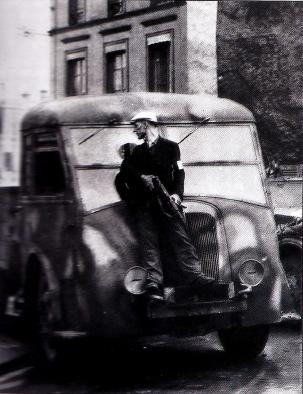
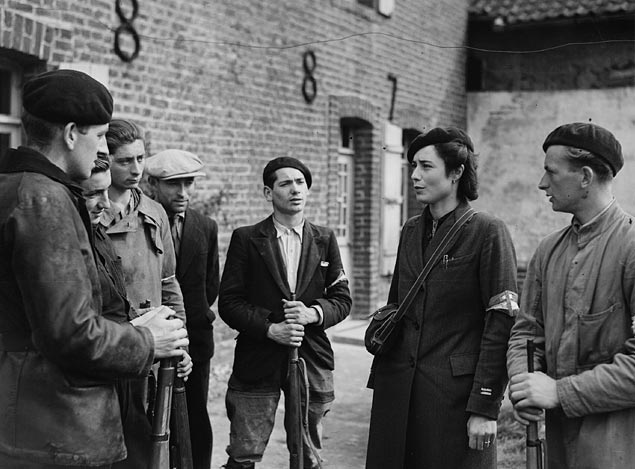
The French Resistance denotes the diverse networks, movements and individuals who opposed the Nazi German presence and the military occupation of France during World War II. It was not a single organization but a loose constellation of local cells, political groups, trade-unionists, clergy, students, farmers and former soldiers united by the aim of resisting both occupation and the policies of the collaborationist Vichy state. Action ranged from clandestine publishing and intelligence work to sabotage, armed ambushes and organised rescue operations.
Image gallery
10 Images




Origins and growth
Resistance activity began soon after the fall of France in 1940 and grew steadily as the war progressed. Early efforts were often local and improvised; over time, political and military currents coalesced into broader networks. Representatives in exile and the Free French leadership encouraged coordination, and by 1943 leaders in the field sought to bring fighters and civilians into a more unified framework. For background on comparable efforts elsewhere see general studies of resistance movements.
Major organizations and figures
Groups varied by region and political orientation. Communist-led units, Gaullist organisations, conservative patriots and apolitical cells operated side by side, sometimes co-operating and sometimes competing. Rural guerrilla bands known as maquis sheltered fighters and carried out ambushes; urban networks concentrated on intelligence and sabotage. Key attempts at coordination culminated in national bodies that sought to synchronize political planning and military action. Individuals such as couriers, intelligence agents and organizers played essential roles in linking local efforts to wider strategy.
Activities and methods
Resistance work covered a wide spectrum. Typical activities included:
- Collecting and transmitting military intelligence on troop movements, fortifications and coastal defenses to Allied and exile commands.
- Sabotaging railways, bridges, factories, communications and the electrical grid to disrupt German logistics and reinforcements.
- Producing clandestine newspapers and leaflets to counter occupation propaganda and sustain morale.
- Running escape lines and safe houses to help Allied airmen, escaped prisoners and persecuted civilians reach safety or Great Britain and neutral countries.
- Direct armed actions, from targeted attacks on enemy patrols to larger engagements timed to support Allied operations.
Allied support and coordination
The Allies supported selected networks with arms, radios, training and agents. This material assistance increased operational capacity but also raised the stakes: better-armed groups became priority targets for occupiers and collaborators. Liaison officers and drop operations sought to synchronize sabotage and intelligence collection with major offensives, notably the campaigns surrounding the landing operations of 1944.
Risks, reprisals and repression
Resistance work entailed grave danger. Captured operatives faced imprisonment, deportation to forced-labour camps and torture; interrogation techniques and abuses are a significant subject of study in the history of occupation, often discussed in relation to torture. German and collaborationist authorities sometimes exacted severe collective punishments and mass executions in retaliation for attacks, producing atrocities and deep trauma in affected communities. Such reprisals—studied under themes of reprisals and occupation policy—shaped both tactical choices and civilian attitudes toward armed action.
Role in liberation
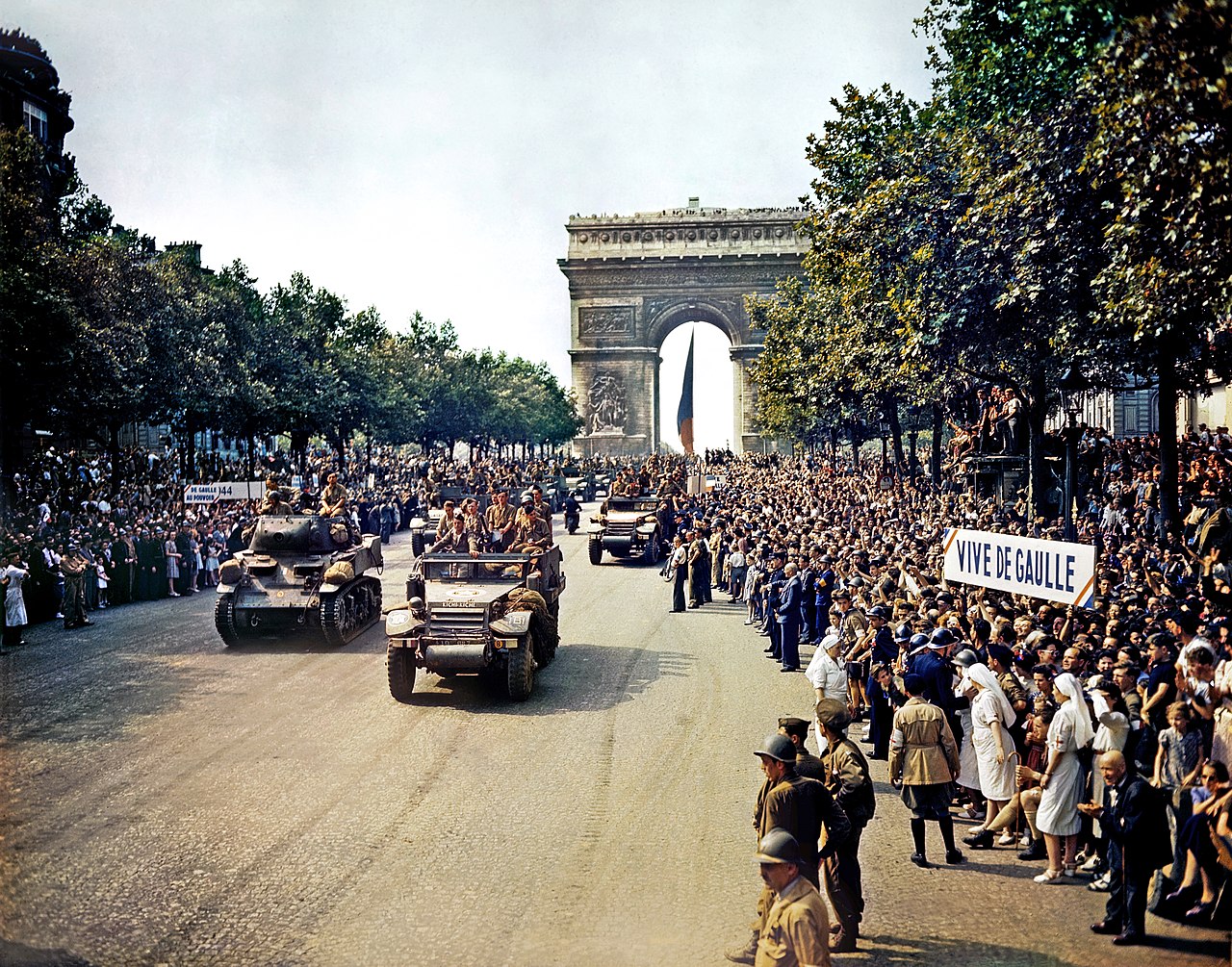
In 1944, resistance efforts intensified as Allied offensives progressed. Sabotage of transport and communications, local uprisings, and provision of intelligence helped delay German responses and facilitated advances. In several regions resistance fighters engaged directly alongside Allied units or seized control of towns ahead of formal liberation. The interplay of local initiative and larger military strategy contributed materially to the collapse of German control in many areas.
Aftermath, justice and memory
After liberation France confronted issues of justice and collaboration in a turbulent period sometimes called the épuration. Trials, administrative purges and, in many cases, summary actions addressed those who had collaborated with occupiers; roughly contemporaneous estimates noted several thousand executions and many more legal cases and imprisonments. The period’s complexity has long been debated by historians, who stress both the heroism and moral ambiguities of resistance activity. In public memory the Résistance became a central symbol of national courage and civic duty, an image that influenced politics and commemorations for decades. The heroic narrative coexists with detailed scholarly work that examines internal divisions, the role of ideology, and the experiences of civilians under occupation. For themes related to sacrifice and national identity, see materials on patriotic responses, occupation, and wartime society in France during World War II, and for international context consult references on the Allied wartime alliance and postwar reconciliation processes.
For further introductory reading consult general surveys of 20th-century Europe and specialised entries on clandestine organizations, occupation policy and civil resistance, and explore archival collections and thematic studies that trace local experiences and national developments in the history of resistance movements (resistance movements, Nazi German, occupation, torture, reprisals).
Questions and answers
Q: What is the French Resistance?
A: The French Resistance was a collection of different resistance movements in France during World War II that fought against the Nazi German military occupation.
Q: Who were members of the Résistance?
A: Members of the Résistance came from all levels of society and many different religions.
Q: How did the Allied armies help the French Resistance?
A: The Allied armies helped the French Resistance by providing them with guns and explosives.
Q: What happened to members who were caught by the Germans?
A: Members who were caught by the Germans were often tortured and killed.
Q: How did the French Resistance help advance through France following invasions?
A: The resistance provided information about German defenses, sabotaged electrical power grids, transportation methods, and telecommunications networks.
Q: What happened when war was over?
A: When war was over, The Resistance executed about 9,000 people who were collaborating with Nazi occupiers including many members of Milices, a fascist organization that helped Nazi Germany.
Related articles
Author
AlegsaOnline.com French Resistance Leandro Alegsa
URL: https://en.alegsaonline.com/art/36613