
Love on the Brain (song)
A summary and analysis of Rihanna's soul-influenced ballad 'Love on the Brain' from Anti, covering composition, themes, chart success and notable facts.
Overview
"Love on the Brain" is a soul-tinged ballad recorded by Barbadian singer Rihanna for her eighth studio album, Anti. Written by Rihanna with Fred Ball and Joseph Angel, the track was released as the album's fourth single and attracted attention for its retro R&B styling and prominent, emotional vocal performance. It became a commercial success in the United States, reaching the top ten of the Billboard Hot 100 and marking another milestone in the artist's chart history.
Image gallery
4 Images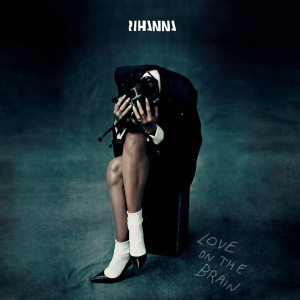


Composition and musical characteristics
The song departs from contemporary pop-production trends by adopting a vintage soul and doo-wop aesthetic: sparse, guitar-forward accompaniment, raw-sounding drums, and layered backing vocals that support a lead vocal driven by dynamic phrasing and melisma. Critics and listeners often note the record's emphasis on expressive delivery and its call-and-response elements. Lyrically, the piece explores obsession and longing; lines such as "And you got me like, 'Oh' / What you want from me?" and the chorus "Must be love on the brain / That's got me cursing my name" illustrate the tension between affection and frustration. A reference to the opening lines appears in published lyric excerpts and analyses here.
Release, reception and chart performance
Issued as the album's fourth single, the song received praise for Rihanna's vocal approach and for its throwback production. Reviewers highlighted the contrast between the singer's established pop catalog and the more classic soul influences present on this track. In the United States it reached the top five of the Billboard Hot 100, becoming one of the album's most successful singles and contributing to Rihanna's record of consecutive top-ten hits; it was identified as her 30th top-ten placement on that chart. The single also appeared on various international charts and was featured in radio rotations that favored adult contemporary and rhythmic formats.
Context, live performances and influence
Appearing on an album noted for its eclecticism, the song stands out as a modern interpretation of classic soul songwriting. It has been performed in promotional appearances and live shows, where the live vocal delivery often draws attention for its intensity and range. Musicians and commentators have cited the track as an example of contemporary pop artists drawing on mid-20th-century African American musical traditions to broaden their expressive palette.
Notable facts and distinctions
- The song was co-written and produced by Fred Ball and Joseph Angel, who helped shape its subdued yet emotive sound.
- It served as the fourth single from Anti and reinforced the album's stylistic variety.
- Commercially, the single reached the top five on the Billboard Hot 100, contributing to Rihanna's tally of top-ten hits.
- Public discussion of the lyrics and performance has led to numerous covers and reinterpretations by other artists and on social platforms.
For additional context on the artist and recording, see materials about Rihanna, the single's release details here, and album information for Anti. Selected lyric excerpts and discussion are available here, and chart histories can be consulted on listings including the Billboard Hot 100.
Related articles
Author
AlegsaOnline.com Love on the Brain (song) Leandro Alegsa
URL: https://en.alegsaonline.com/art/59535
Sources
- discogs.com : "Rihanna - Love On The Brain"