
Long-distance race (running)
A long-distance race is a running event typically longer than 3000 metres. It covers track, road, cross-country and trail formats — from the 3000m and 10,000m to marathons and ultramarathons.
Overview
A long-distance race refers to competitive running events that place a primary demand on sustained aerobic endurance rather than pure speed. In track competition the term is often applied to races longer than 3000 metres, but long-distance racing also includes road, cross-country and trail events of many lengths. Such contests test pacing, fuel management and mental resilience rather than short-term sprint capacity. For background on the sport more broadly see running and for conventions used on the oval see track.
Image gallery
10 Images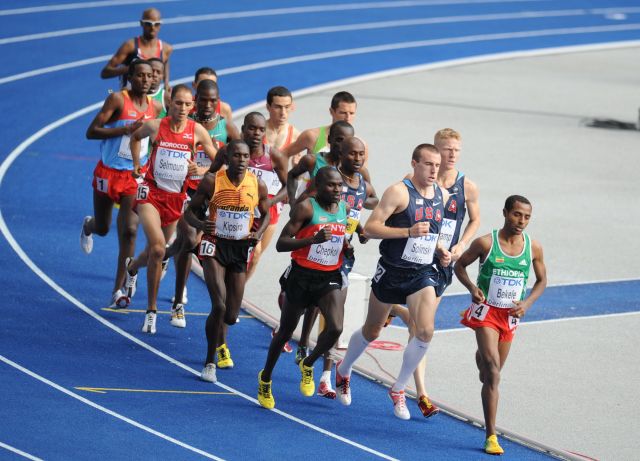


Characteristics and common formats
Long-distance events are defined by a few consistent characteristics: relatively steady pacing over many minutes to hours, reliance on aerobic metabolism, and race strategies that emphasize efficiency and timing of efforts. Typical formats include both metric track races and road distances, and each has different technical demands.
- Track events: common distances are 3000 m, 5000 m and 10,000 m; the 3000 m steeplechase adds barriers and water jumps.
- Road races: common calibrated distances include 5 km, 10 km, half marathon (21.1 km) and marathon (42.195 km).
- Cross-country and trail: routes vary in terrain and length; ultramarathons exceed the marathon distance and can be point-to-point or multiple laps.
History and development
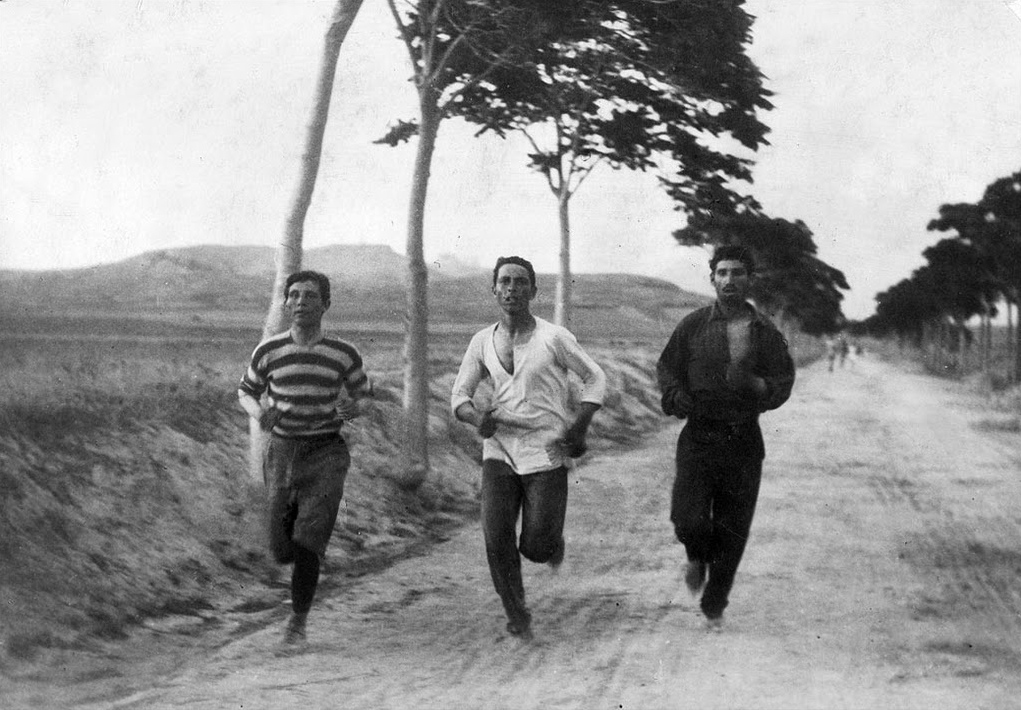
Long-distance running has ancient roots, including messenger traditions and endurance tests. The modern marathon was inspired by a 19th-century interpretation of a Greek messenger's run from Marathon to Athens and was introduced at the first modern Olympic Games in 1896. That association is part history and part legend: primary sources from antiquity describe a runner bearing news, but the precise details and distance are uncertain. Track racing evolved later with standard lap lengths and distances established as athletics became organized in the late 19th and early 20th centuries. Events such as the steeplechase trace origins to cross-country riding races adapted to foot competition.
Training, tactics and equipment
Training for long distances emphasizes volume and specificity: weekly mileage, long runs, tempo sessions and interval work to improve aerobic capacity, lactate threshold and running economy. Tactical elements include pace judgement, drafting in packs, well-timed surges, and a strong finishing 'kick' where applicable. Equipment choices — lightweight shoes or spikes for track, cushioned road trainers for long distances, and hydration systems for long road or trail events — influence comfort and performance.
Importance and notable distinctions
Long-distance races play many roles: elite sport with world championships and Olympic titles, mass-participation events that attract recreational runners, and community fundraisers. Distinctions among formats matter: track races require precise lap pacing and tactics on an oval; road races require pacing over variable surfaces and crowd dynamics; trail races add technical terrain and navigation. Ultramarathons introduce sleep, nutrition planning, and extreme endurance considerations absent from shorter events.
Examples and contemporary context
Prominent long-distance competitions range from championship track meets to major city marathons and lengthy trail ultras. Over the past decades records have advanced, shoe technology and scientific training methods evolved, and participation by women and recreational runners has grown markedly, expanding the cultural and social significance of long-distance racing worldwide.
Related articles
Author
AlegsaOnline.com Long-distance race (running) Leandro Alegsa
URL: https://en.alegsaonline.com/art/59087