
London Underground 1992 Stock
Electric multiple units introduced in the early 1990s for the Central and Waterloo & City lines of the London Underground; developed from 1986 prototypes and built by BREL/Adtranz/Bombardier.
Overview
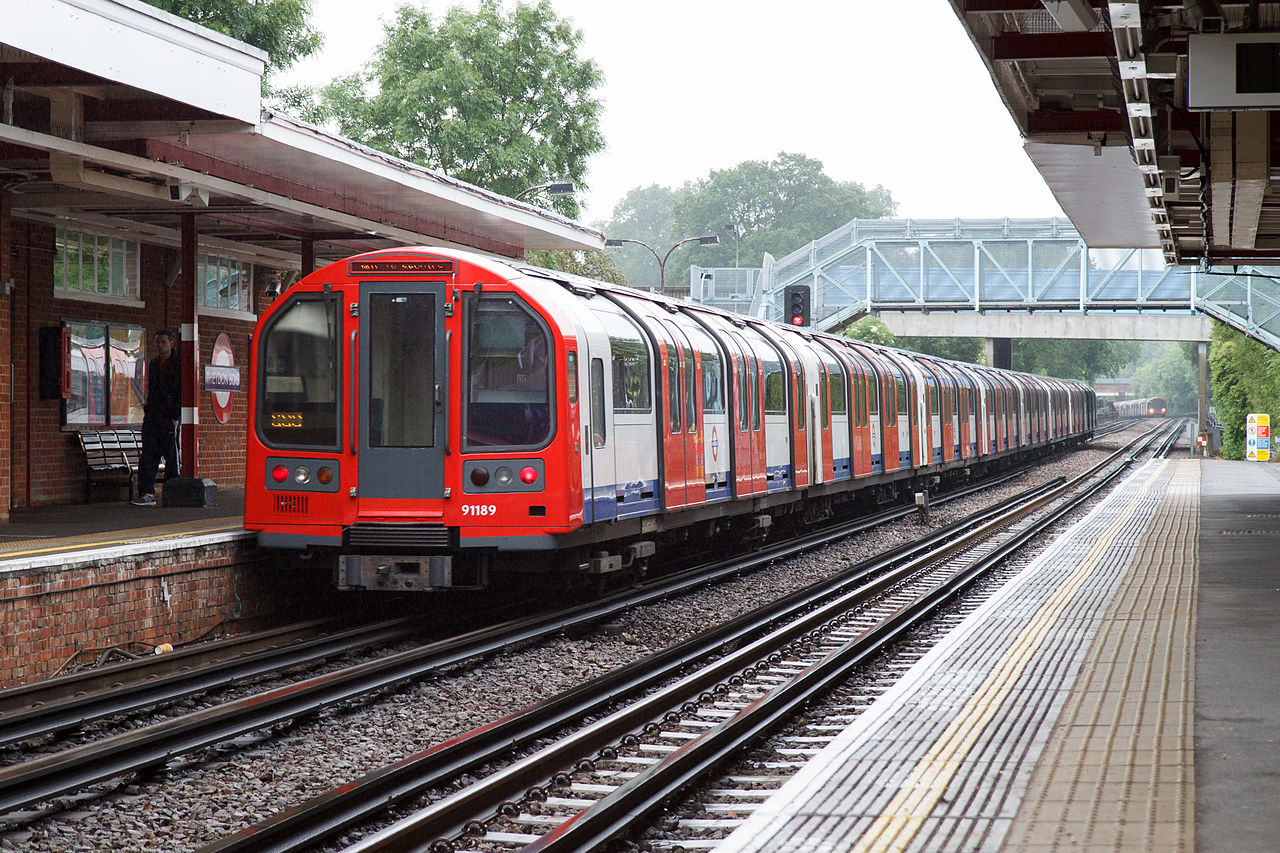
The 1992 Stock is a family of deep-level tube trains used on parts of the London Underground network, most notably the Central line and the short-lived standalone Waterloo & City line. These trains were introduced to replace older rolling stock and to provide a more reliable, comfortable and maintainable vehicle suited to high-frequency metro operation. They were the production outcome of trials and feedback from three prototype trains built in 1986.
Image gallery
7 Images


Design and characteristics
Rather than a single revolutionary concept, the 1992 design combined incremental improvements over earlier tube trains. The emphasis was on modern traction equipment, lightweight materials and a layout intended to balance capacity with passenger flow. Interiors featured brighter lighting and revised seating arrangements compared with 1970s/1980s stock; exteriors followed the familiar London Underground profile for deep-level tube cars. The units were compatible with the signalling and depot facilities in use on their assigned routes.
Manufacture and development
Manufacture was carried out by British Rail Engineering Limited (BREL), a company that later became part of Adtranz and whose activities are now within Bombardier. The production series drew on lessons from three 1986 prototype trains that were evaluated in service to identify passenger preferences and engineering refinements. The outcome was a standardised fleet intended to simplify maintenance and improve operational reliability across the assigned lines.
Operation and routes
In regular service the 1992 Stock runs primarily on the Central line, carrying large numbers of commuters on one of the Underground's busiest corridors. Smaller formations of the same basic design have been used on the Waterloo & City line, a short dedicated connection between Waterloo and the City of London. Operators train staff, maintain depots and adapt timetables around the capabilities and capacity of these trains.
Significance and distinctions
The 1992 Stock represents a period of transition in Underground rolling stock design: it replaced older aluminium and steel-bodied units with a more modern package while remaining compatible with existing deep-level infrastructure. It is notable for being the production result of public and technical trials, demonstrating how customer feedback and prototype evaluation influenced later fleet renewals on the London Underground. Over their service life these trains have been subject to periodic refurbishments to refresh interiors and update systems in line with evolving standards.
Further notes
- Built as a cost-effective, reliable replacement for earlier stock and to meet peak urban demand.
- Designed for rapid boarding and frequent stops typical of central London services.
- Subject to mid-life upgrades rather than wholesale replacement in many cases.
Related articles
Author
AlegsaOnline.com London Underground 1992 Stock Leandro Alegsa
URL: https://en.alegsaonline.com/art/59057