
Longship: design, history, and cultural significance
Longships were versatile clinker-built boats used for raiding, trading, exploration and transport across the North and Baltic Seas; they shaped early medieval maritime expansion and settlement.
Overview
Longships were a family of narrow, fast seafaring vessels developed in northern Europe and widely associated with the Viking Age. Built for speed, maneuverability and the ability to operate close to shore, they were used for warfare, trade, migration and exploration across the Baltic Sea and the North Sea. Although the word "longship" evokes Viking raiders, similar hull forms were known to a range of early medieval peoples and continued to influence shipbuilding in the British Isles and beyond.
Image gallery
10 Images




Design and construction
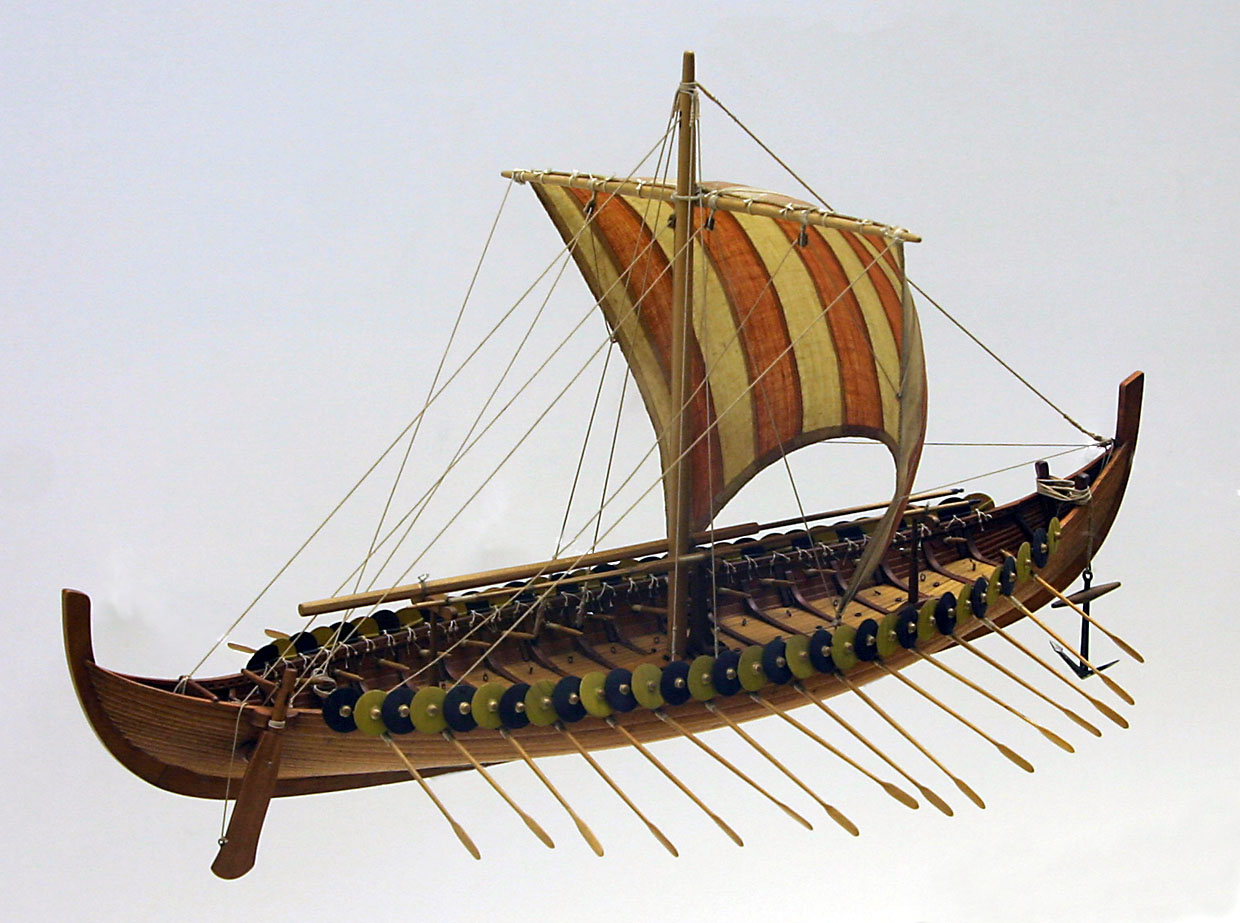
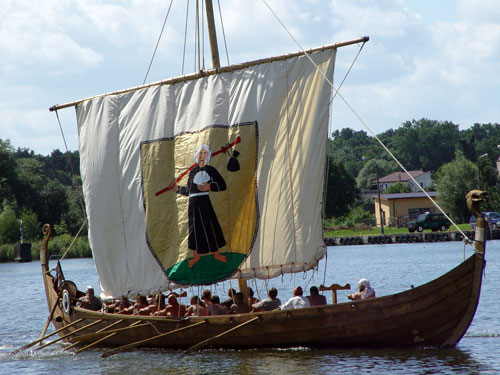
Longships combined several characteristic traits that made them effective in coastal and river environments. They were usually clinker-built (overlapping planks), with a long, narrow hull, a shallow draft and a symmetrical bow and stern that allowed the vessel to reverse direction without turning. Propulsion typically came from a single square sail supplemented by multiple oars, giving both speed with wind and independent maneuvering under oars. A steering oar or rudder mounted on the starboard side controlled direction.
- Hull and planking: overlapping planks on a strong keel provided flexibility and lightness.
- Rigging: a single mast and square sail for downwind runs; oars for tacking and river work.
- Shallow draught: enabled beaching and navigation of rivers and estuaries.
- Decorative elements: carved prows and painted details signalled identity and status.
History and development
Elements of longship design evolved over centuries among seafaring communities of Scandinavia and the North Sea rim. These boats played a role in migrations and military expeditions: early Germanic groups used similar craft during movements across northern Europe, and during the Anglo-Saxon period many migrants from the continent arrived in Britain in small seaborne parties. Contemporary sources and later tradition link those who crossed in such craft with groups called the Angles, Saxons and Jutes. Centuries later, fleets with longship-type vessels were part of trans-Channel operations by Norman forces under leaders such as William the Conqueror, who transported troops to England in 1066, an event that also involved large seaborne logistics referenced in many historical accounts and sources.
Uses and historical significance
Longships were multifunctional. Their speed and shallow draft made them ideal for coastal raids and surprise attacks, but the same attributes enabled trade, exploration and colonization. Norse sailors used similar vessels to reach and settle islands of the North Atlantic, including Iceland and Greenland, and to cross to parts of North America according to saga tradition and archaeological finds. In quieter roles, longer cargo-oriented relatives carried goods between ports and supported colonists and armies. The adaptability of the design influenced shipbuilding traditions across northern Europe for centuries.
Distinctions and notable facts
Within the broader range of medieval northern ships, historians distinguish between lightweight war-oriented longships and broader cargo vessels (for example, the knarr) optimized for carrying supplies. Longships could be rowed rapidly in shallow waters and beached for quick loading or troop landings; they were not single-purpose craft but part of a maritime culture that combined seamanship with political, economic and military ambitions. For further reading about regional contexts and archaeological finds, see sources linked here and elsewhere, for example references associated with the Normans and subsequent developments in England.
Scholars continue to refine understanding of longship construction and use through experimental archaeology, ship reconstructions and coastal surveys. These studies help explain how a relatively simple hull form could underpin a wide range of activities that reshaped societies around the North Atlantic and the European littoral.
Questions and answers
Q: What were longships used for?
A: Longships were used for trade, exploring, and raiding.
Q: Who used longships besides Vikings?
A: Early people on the Baltic Sea and the North Sea also used longships.
Q: What did the Vikings master the design of?
A: The Vikings mastered the design of light fast longships that could also go up rivers.
Q: What groups of people arrived in Britain in longships?
A: The invading groups of Angles, Saxons, Frisians and Jutes arrived in longships.
Q: Where were longships also built and used in?
A: Longships were also being built and used in the British Isles.
Q: Who used longships to transport his army to England in 1066?
A: William the Conqueror used a large fleet of longships to transport his army to England in 1066.
Q: Were longships only used by Vikings?
A: No, longships were also used by other early people and by various groups who invaded or lived in the British Isles.
Related articles
Author
AlegsaOnline.com Longship: design, history, and cultural significance Leandro Alegsa
URL: https://en.alegsaonline.com/art/59136