
Load-following power plant
A power plant that adjusts output to match changing electricity demand during the day, positioned between baseload and peaking plants; includes flexible technologies such as hydro and gas units for grid balancing.
Overview
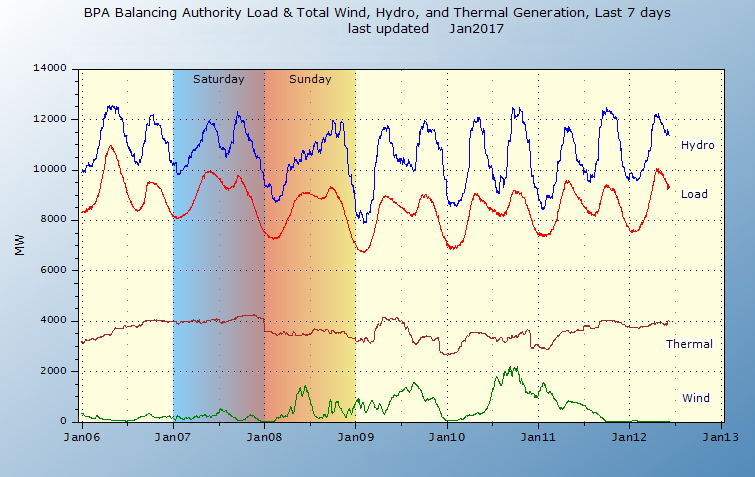
A load-following power plant is designed to change its generation level in response to variations in grid demand. Unlike strictly constant-output baseload units or rarely-run peaking units, load-following plants operate across a range of outputs to help match supply with consumption of electricity. They provide daily ramps and mid-term balancing rather than the continuous full-load service of a base load plant or the short bursts typical of a peaking plant.
Image gallery
3 Images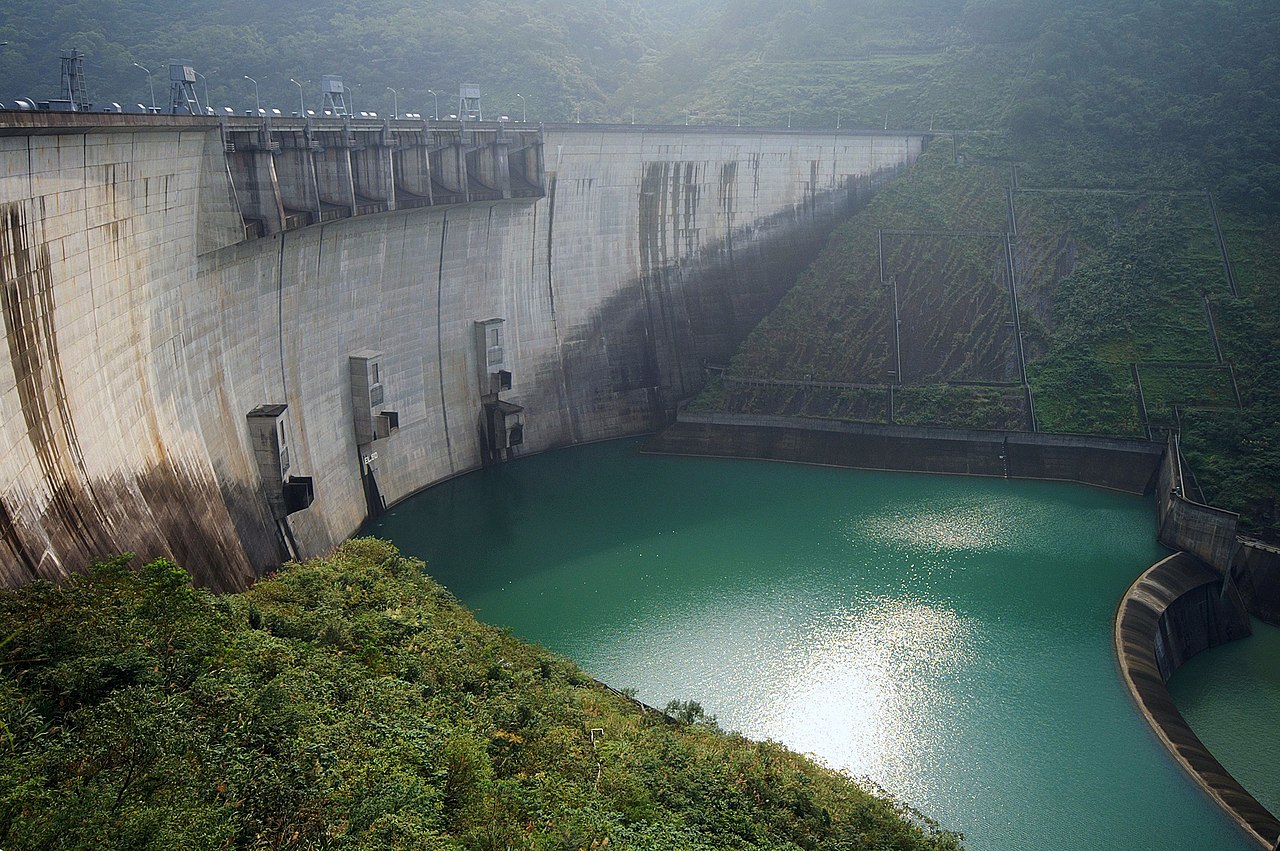

Key characteristics
- Flexibility: predictable ramp-up and ramp-down capability to follow hourly or sub-hourly demand swings.
- Start-up and response time: faster than baseload thermal units, slower or cheaper to run than peakers depending on technology.
- Cost and efficiency: moderate capital and operational costs; efficiency can vary with load.
- Control and forecasting: often operated under central dispatch by grid operators and influenced by demand forecasts and renewable output.
Development and context
Load-following roles emerged as electrical grids evolved from small isolated systems to large interconnected networks. Historically, mid-sized thermal and hydro plants served this need. In recent decades the growth of variable renewable generation increased demand for flexible resources, so load-following functions have been assigned to a wider range of technologies, from flexible gas turbines to pumped-storage hydro and advanced control of combined-cycle units.
Typical technologies and examples
- Hydroelectric plants with reservoir storage can change output quickly and are classic load-followers.
- Open-cycle gas turbines and flexibly operated combined-cycle plants offer relatively fast response.
- Pumped-storage hydro and other storage systems can perform load-following by absorbing or releasing energy as needed.
Role and distinctions
Load-following plants occupy the operational space between continuous baseload generation and infrequent peaking. They are valued for maintaining system reliability while minimizing costly start-stop cycles. Economically, they often earn revenue from energy sales during high-demand periods and ancillary services. Environmentally and technically, their emissions and wear depend on how frequently and how rapidly they change output.
Notable considerations
Grid planners consider ramp rates, minimum stable output, cycling costs and integration with forecasting tools when assigning load-following duties. As variable renewables increase, the importance of flexible load-following capacity has grown, making it a central concept in modern power system operation and planning.
Related articles
Author
AlegsaOnline.com Load-following power plant Leandro Alegsa
URL: https://en.alegsaonline.com/art/58715