
Manufacturing engineering: principles, processes, history, and applications
Manufacturing engineering combines people, machines, materials, and information to design and operate production systems. It covers processes, automation, quality, supply chains, and industry applications.
Manufacturing engineering is the engineering discipline focused on creating and improving systems that transform raw materials into finished goods. It integrates design, planning, production control, and continuous improvement to deliver products efficiently and reliably. Practitioners balance technical, managerial, and human factors to optimize cost, quality, and throughput while meeting safety and environmental requirements. See more on design and systems thinking via design resources and development guides.
Image gallery
10 Images


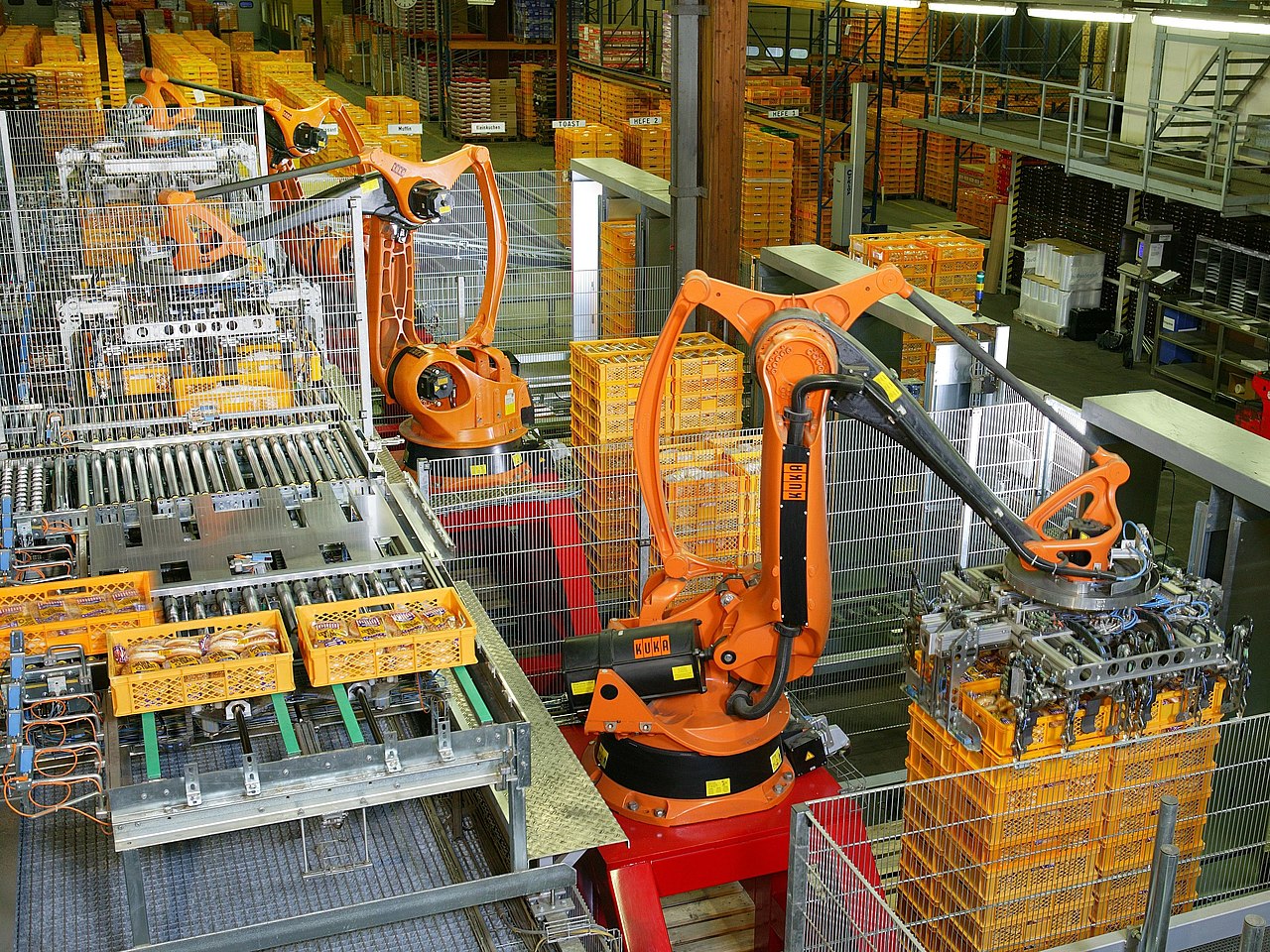


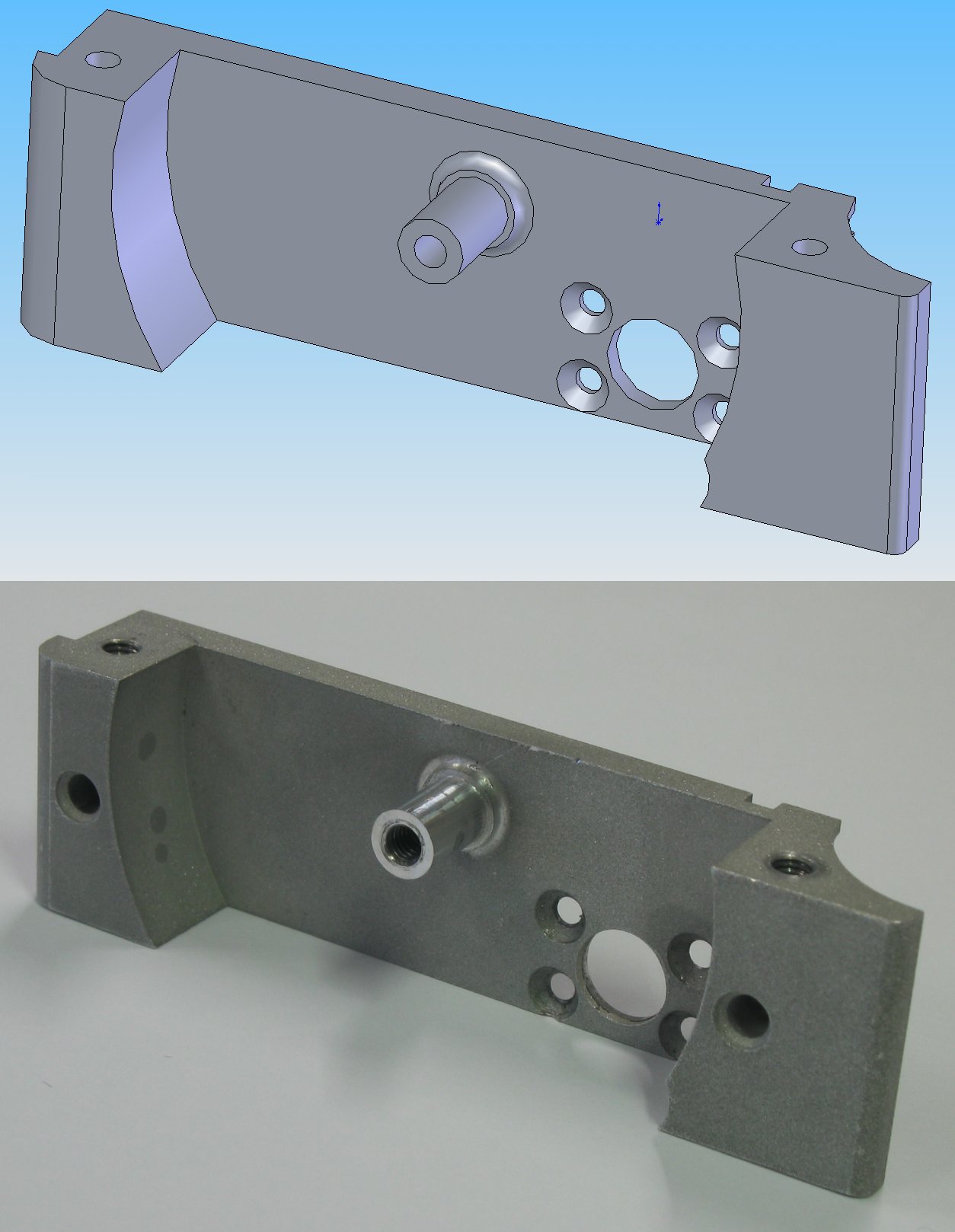


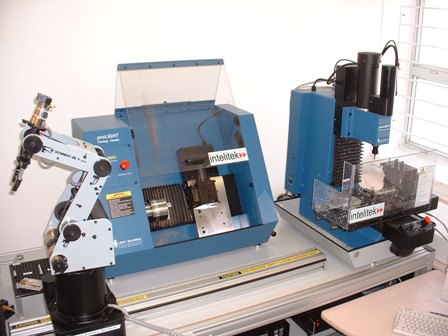
Core areas and characteristics
The field spans material selection, process planning, tooling, machine design, and factory layout. It draws on mechanical, electrical, materials, and industrial engineering as well as information technology for digital manufacturing and data analytics. Key topics include manufacturing processes (machining, molding, forming), automation and robotics, quality assurance, and production systems engineering. Practical methods and standards are discussed broadly in process references and automation briefs.
History and development
Manufacturing engineering evolved from craft production and the industrial revolution, through mass production and the introduction of assembly lines, to modern flexible and digital factories. Over decades the emphasis shifted from human labor to mechanization, then to computer control and networked systems. Contemporary developments include smart manufacturing, additive manufacturing, and cyber-physical systems, with educational and policy materials available at historic overviews and technology roadmaps.
Methods, tools, and organization
Engineers use process modeling, simulation, CAD/CAM, statistical process control, and lean and Six Sigma methodologies to design and improve production. Factory organization incorporates supply chain coordination, maintenance strategies, and workforce planning. Digital tools such as manufacturing execution systems and IoT sensors enable real-time monitoring and adaptive control; for software and systems integration see IT integration and data systems.
Applications and importance
Manufacturing engineering underpins industries from automotive and aerospace to electronics, medical devices, and consumer goods. Its practices determine product availability, cost, safety, and environmental impact. Engineers work in product development, process engineering, quality, operations, and plant management. Examples of applied topics include automation deployment, production scaling, and sustainable manufacturing, with sector-specific information on industry cases and standards.
Distinctions and related fields
Manufacturing engineering differs from industrial engineering by its stronger focus on production equipment and processes rather than solely on systems optimization and human factors. It overlaps with mechanical engineering, materials science, and systems engineering. Emerging intersections include additive manufacturing, advanced materials, and artificial intelligence for process control; see research and education links at academic programs, research summaries, and professional resources.
Overall, manufacturing engineering is a practical and interdisciplinary profession that converts design intent into repeatable, economical products, continually adapting as technologies and market needs evolve.
Questions and answers
Q: What is manufacturing engineering?
A: Manufacturing engineering is a type of engineering that deals with designing, developing, and implementing integrated systems of humans, machines, and information resources to produce goods and services.
Q: What are the different fields of knowledge that manufacturing engineering applies?
A: Manufacturing engineering applies knowledge from various fields like physical, social, engineering, and management sciences, human sciences, computer systems and information technologies, manufacturing processes, operations research, production, and automation.
Q: What does manufacturing engineering do?
A: Manufacturing engineering develops and implements integrated systems that use machines, humans, and information resources to produce goods and services.
Q: What are the different aspects of manufacturing engineering?
A: The different aspects of manufacturing engineering include physical, social, engineering, and management sciences, human sciences, computer systems and information technologies, manufacturing processes, operations research, production, and automation.
Q: What is the role of information technology in manufacturing engineering?
A: Information technology plays a crucial role in manufacturing engineering as it helps in design, development, and implementation of integrated systems of humans, machines, and information resources.
Q: What is the importance of production in manufacturing engineering?
A: Production is essential in manufacturing engineering as the goal is to produce goods and services. Production involves the transformation of raw materials into finished products using integrated systems of machines, humans, and information resources.
Q: What is the objective of manufacturing engineering?
A: The objective of manufacturing engineering is to develop an integrated system that allows for the efficient production of goods and services using machines, humans, and information resources.
Related articles
Author
AlegsaOnline.com Manufacturing engineering: principles, processes, history, and applications Leandro Alegsa
URL: https://en.alegsaonline.com/art/61477
Sources
- commons.wikimedia.org : Manufacturing processes
- encyclopedia2.thefreedictionary.com : Manufacturing engineering
- answers.com : Industrial Engineering by Answer.com