
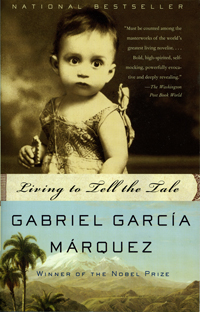
Living to Tell the Tale (Vivir para contarla) — Gabriel García Márquez
First volume of Gabriel García Márquez's autobiography, published in Spanish in 2002 and in English in 2003; an account of his early life, memories, and the making of his voice.
Overview
Living to Tell the Tale (Spanish: Vivir para contarla) is presented as the first volume of Gabriel García Márquez's autobiography. Published in Spanish in 2002 and translated into English a year later, the book recounts the author's formative years and the experiences that shaped his sensibility as a writer. It is written in Garcia Márquez's richly textured prose and mixes vivid personal memory with the storytelling techniques familiar from his fiction.
Image gallery
3 Images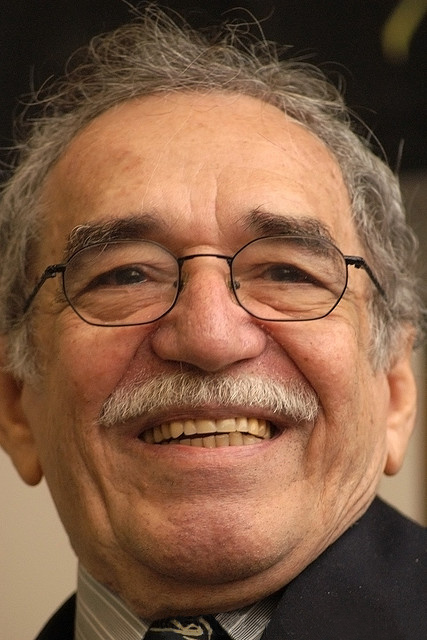

Contents and structure
The narrative follows episodes from the author's childhood and youth: family life, the influence of grandparents and storytellers, early encounters with journalism and politics, and the gradual emergence of a literary vocation. Rather than a chronological catalogue of facts, the volume arranges memories around scenes, anecdotes and characters, emphasizing how events were remembered and narrated.
Themes and style
Major themes include memory and its reliability, the relationship between truth and invention, and the role of storytelling in shaping identity. Readers will recognize stylistic affinities with the author's novels: an attention to local color, a preference for emblematic episodes, and a lyrical approach to everyday detail. The book explores how personal and communal myths feed an artist's imagination.
Reception and significance
Critics and readers noted the book's literary quality and its usefulness for understanding García Márquez's fiction. Reviewers often commented on the deliberate blending of memoir and narrative craft, praising its evocative scenes while sometimes debating the boundary between literal accuracy and artistic shaping. As the first volume, it provides essential context for scholars and general readers interested in the origins of his voice.
Notable points
- Original Spanish edition: 2002; English translation: 2003.
- Presented as the first installment of an autobiographical project.
- Combines personal recollection with literary technique familiar from his novels.
- Valuable for readers studying memory, narrative, and Latin American letters.
For a fuller bibliographic entry or related materials, see the author's page and editions listed elsewhere: autobiography entry and Gabriel García Márquez resources.
Related articles
Author
AlegsaOnline.com Living to Tell the Tale (Vivir para contarla) — Gabriel García Márquez Leandro Alegsa
URL: https://en.alegsaonline.com/art/58622