
Lincoln Town Car
Full-size American luxury sedan produced by Lincoln (Ford) from 1980–2011, known for body-on-frame construction, rear-wheel drive, widespread use in livery and funeral services, and long-running Panther-platform heritage.
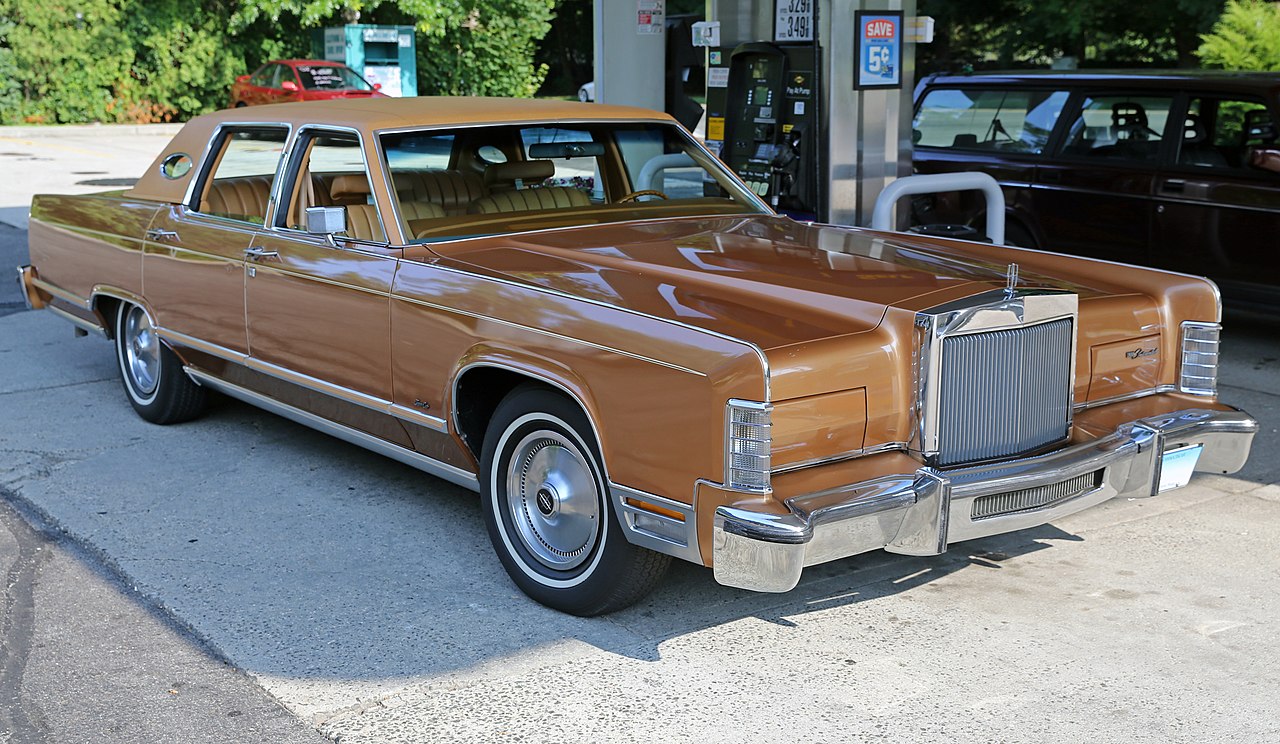
The Lincoln Town Car was a full-size luxury sedan marketed by Lincoln, Ford Motor Company's luxury division. Its name first appeared as an upper-level trim of the Lincoln Continental in the late 1950s and was carried through Continental models until the 1970s. Beginning with a downsized Continental in 1980 and then as a stand-alone model from the 1981 model year, the Town Car became Lincoln's flagship large sedan for three decades, remaining in production until 2011.
Image gallery
10 Images




Design and mechanical characteristics
The Town Car was built on a traditional body-on-frame platform that emphasized a smooth, cushioned ride and simplified conversion to stretched limousines and specialty vehicles. It retained rear-wheel drive throughout its life and typically used Ford V8 engines and automatic transmissions suited for relaxed highway cruising rather than sport handling. Interiors emphasized passenger comfort with spacious rear seating, soft suspension tuning, and features aimed at chauffeured and executive transport.
- Platform: Long-lived body-on-frame architecture shared with other Panther-platform models.
- Drive layout: Rear-wheel drive, favored for durability and ease of conversion.
- Comfort features: Large cabins, cushioned suspensions, and trunk space that supported livery and hearses.
Generations and evolution
The Town Car evolved through several distinct phases. The model name was applied to Continental variants through 1979, and a downsized Continental carried the Town Car name in 1980. From 1981 the Town Car was offered as its own model; this first official generation ran through the 1980s. A clean redesign arrived for 1990, with a mid-cycle facelift in the mid-1990s. In 1998 the Town Car adopted a more rounded, aerodynamic appearance, while a notable refresh around 2003 updated steering and other mechanical components. Although appearances and trim levels changed, the underlying architecture and market positioning remained consistent.
Uses, market role, and cultural significance
Because of its durable construction, roomy interior, and predictable ride, the Town Car achieved particular popularity in livery fleets, chauffeur services, and as the basis for stretch limousines. It also saw frequent use as a taxi and as a platform for hearses. The vehicle's ubiquity in these roles made it a common sight at airports, hotels and funeral processions across North America, contributing to a broad cultural association between the Town Car and professional ground transportation. For example, it was widely cited as the most used limousine in professional fleets operating in the United States and in Canada.
Notable facts and legacy
The Town Car was one of the last mainstream American sedans to retain traditional body-on-frame construction and a rear-wheel‑drive layout into the 21st century. Its longevity made it a favorite among fleet operators and conversion shops that specialized in limousines and hearses. Production ended in 2011 when Lincoln consolidated lineup and manufacturing; the Town Car's departure marked the end of the Panther-platform era. In the years since, the model has retained a following among collectors and livery operators who value its straightforward mechanicals and spacious, comfort-focused design.
While the market for large, chauffeur-oriented sedans has declined with changing consumer tastes and competition from SUVs, the Lincoln Town Car remains an emblematic example of late-20th-century American luxury — a vehicle designed around passenger comfort, durability and easy adaptation for professional use.
Related articles
Author
AlegsaOnline.com Lincoln Town Car Leandro Alegsa
URL: https://en.alegsaonline.com/art/58185