
Lisunov Li-2 (Soviet license-built DC-3 variant)
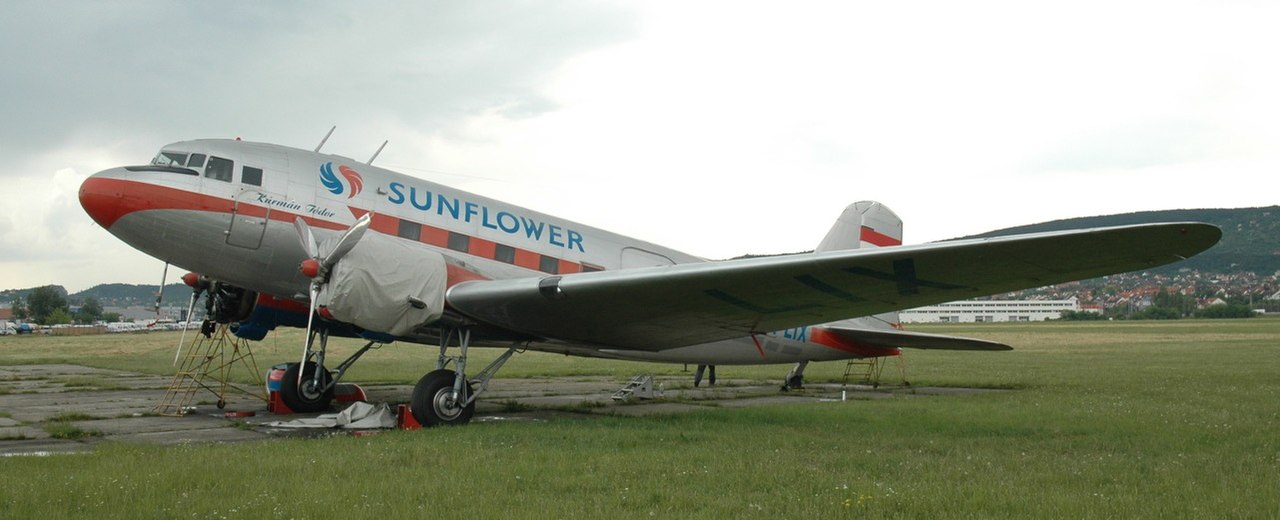
The Lisunov Li-2 is the Soviet license-produced and modified version of the Douglas DC-3, adapted by Vasily Lisunov for harsh climates and used widely in military and civil roles from WWII onward.
The Lisunov Li-2 is a Soviet-built adaptation of the American Douglas DC-3 airliner. Developed under license and extensively modified for Soviet manufacturing, climate and operational requirements, the Li-2 served as a versatile twin-engine transport in both civil and military roles. It is closely associated with the engineer Vasily Lisunov, whose modifications produced the model often identified by its civil designation PS-84 and later by the designer's name.
Image gallery
10 Images


Design and development
Work began after the Soviet authorities acquired rights to the DC-3 design in the late 1930s. Lisunov led the adaptation process to suit local production methods, metric instruments, and colder operating environments. Structural alterations, revised fittings and simpler systems made the aircraft easier to build and maintain with Soviet tooling and components. Many Li-2s were fitted with Soviet radial engines and received improvements such as enhanced de-icing and cabin heating.
Characteristics and variants
The Li-2 retained the DC-3's basic twin-engine, low-wing, tailwheel layout but encompassed a family of subtypes tailored to different tasks. Variants included passenger transports, freight and cargo conversions, paratroop platforms and armed versions used as light bombers. Interior arrangements and external equipment varied widely between civilian Aeroflot examples and military air force types.
Operational history and uses
During World War II the Li-2 became a workhorse for Soviet transport, moving troops, equipment and supplies, and performing medevac and paratroop duties. Armed night-bomber versions and utility conversions expanded its wartime role. After the war the type continued to fly with state airlines and military operators for many years, valued for its ruggedness and adaptability.
- Typical roles: passenger transport, cargo freighter, paratroop aircraft, air ambulance, and special-mission conversions.
- Operators: widely used by Aeroflot and Soviet military branches; also employed in regional and remote services.
The Li-2's legacy is a story of adaptation: an American design reworked to meet Soviet industrial practice and climatic demands. Several preserved examples survive in museums and private collections, and the aircraft remains an important chapter in mid-20th-century aviation history. For further information and archival material see additional sources.
Related articles
Author
AlegsaOnline.com Lisunov Li-2 (Soviet license-built DC-3 variant) Leandro Alegsa
URL: https://en.alegsaonline.com/art/58420