
Lincoln Park (Chicago)
Lincoln Park is a large North Side community area of Chicago, centered on a lakeside park and known for its zoo, conservatory, university campus, residential streets and lively commercial corridors.
Lincoln Park is a prominent community area on Chicago's North Side, named for the park that runs along Lake Michigan. The name refers both to the public greenway and to the surrounding neighborhood, which combines residential streets, institutional campuses and commercial corridors. The area is part of the city of Chicago in the state of Illinois.
Image gallery
9 Images



Character and features
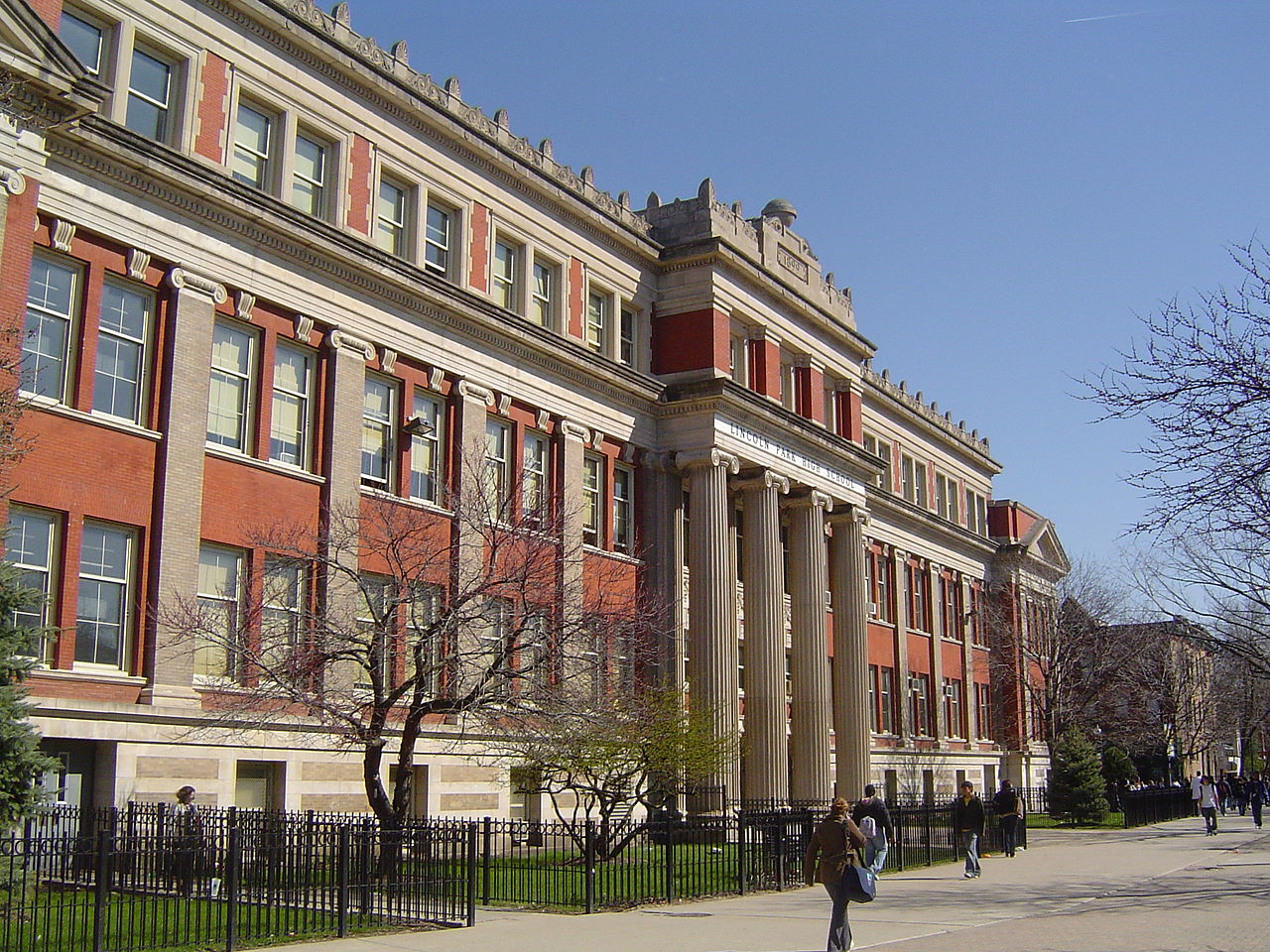
Lincoln Park mixes historic rowhouses and high-rise apartments with pockets of commercial activity. It is popular with young urban professionals, recent college graduates and young families. The lakeside park is an important recreational resource and contains several cultural and botanical attractions.
- Lincoln Park Zoo: a free, city-run zoo with a variety of animal exhibits.
- Lincoln Park Conservatory: a 19th-century greenhouse and botanical display.
- DePaul University (Lincoln Park Campus): a major private university campus located within the area.
- Commercial corridors: Clark Street, Armitage Avenue and other streets with shops, restaurants and nightlife.
History and development
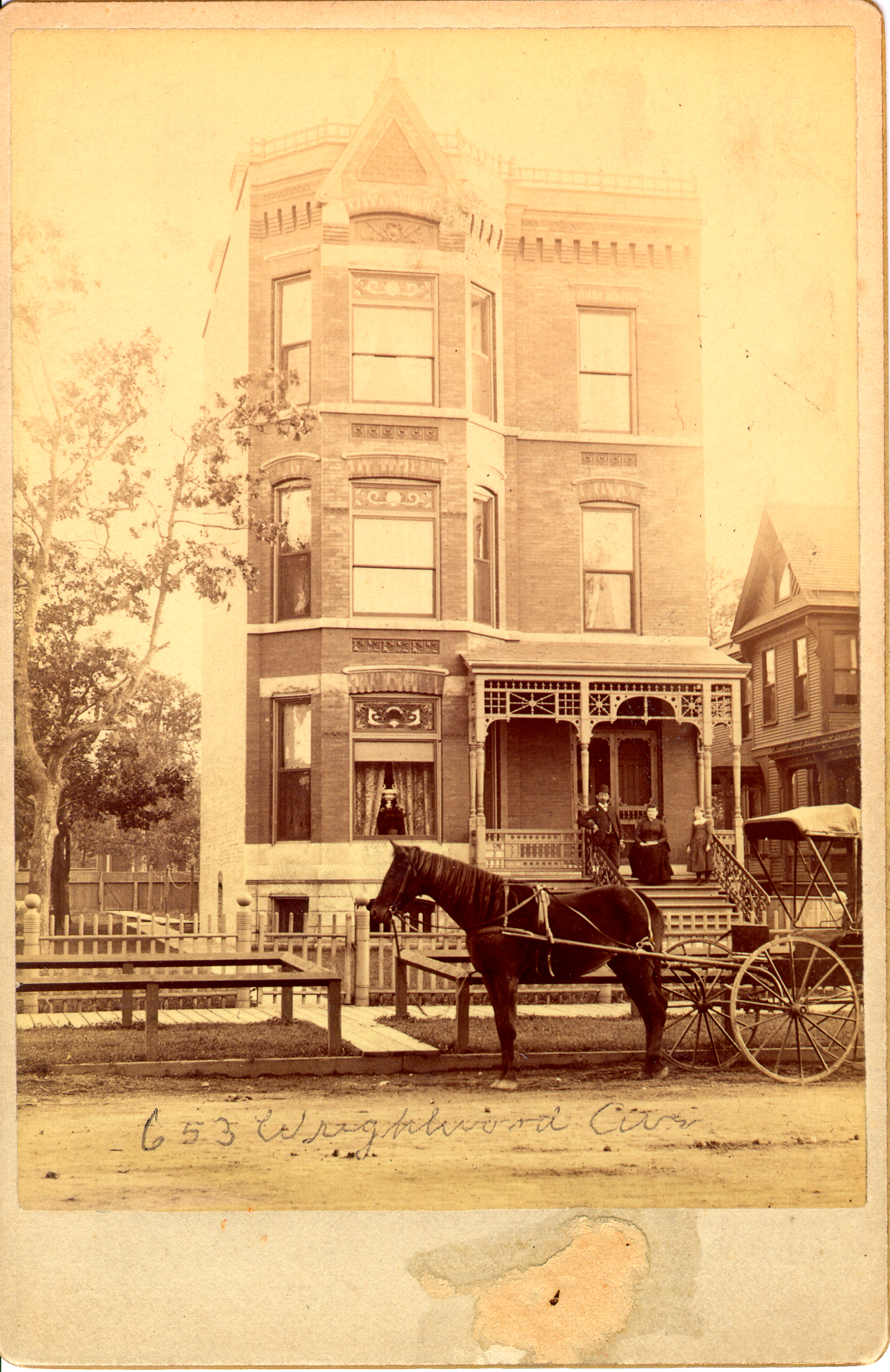
The parklands that give the community its name were set aside in the 19th century as public open space along the lakefront. Over time the surrounding neighborhood evolved from farmland and estates into a dense urban district with a mix of housing types. In the 20th and 21st centuries Lincoln Park has undergone waves of development and preservation, resulting in a mix of restored historic buildings and new construction.
Notable aspects and events
Lincoln Park has been associated with distinctive local culture and stereotypes; colloquial labels like "Trixie" and "Chad" became linked to certain social groups concentrated in the neighborhood. The area has also been the site of notable incidents, including the fatal 2003 Chicago balcony collapse, an event that drew citywide attention and led to changes in building oversight and safety awareness (see source).
Today Lincoln Park remains one of Chicago's most visited residential neighborhoods, valued for its proximity to the lakefront, its cultural institutions and its mix of urban amenities. It plays a significant role in the city's recreational life and continues to be shaped by debates over development, historic preservation and affordability.
For an overview of municipal services, planning initiatives and community resources related to the area, consult city planning and local community organizations that cover the Lincoln Park region. Additional historical details and event records are available through local archives and institutional websites (city information, state resources).
Related articles
Author
AlegsaOnline.com Lincoln Park (Chicago) Leandro Alegsa
URL: https://en.alegsaonline.com/art/58178