
Linares, Chile — city and provincial capital in the Maule Region
Linares is a Chilean city and commune in the Central Valley, serving as the capital of Linares Province. It is an agricultural, commercial and cultural hub with regional transport links and historical roots.
Overview
Linares is a Chilean city and commune situated in the country's Central Valley. It serves as the administrative capital of Linares Province and functions as a local center for government, commerce and services. Its role links rural hinterlands to larger regional markets in the Maule area. City profile
Image gallery
3 Images

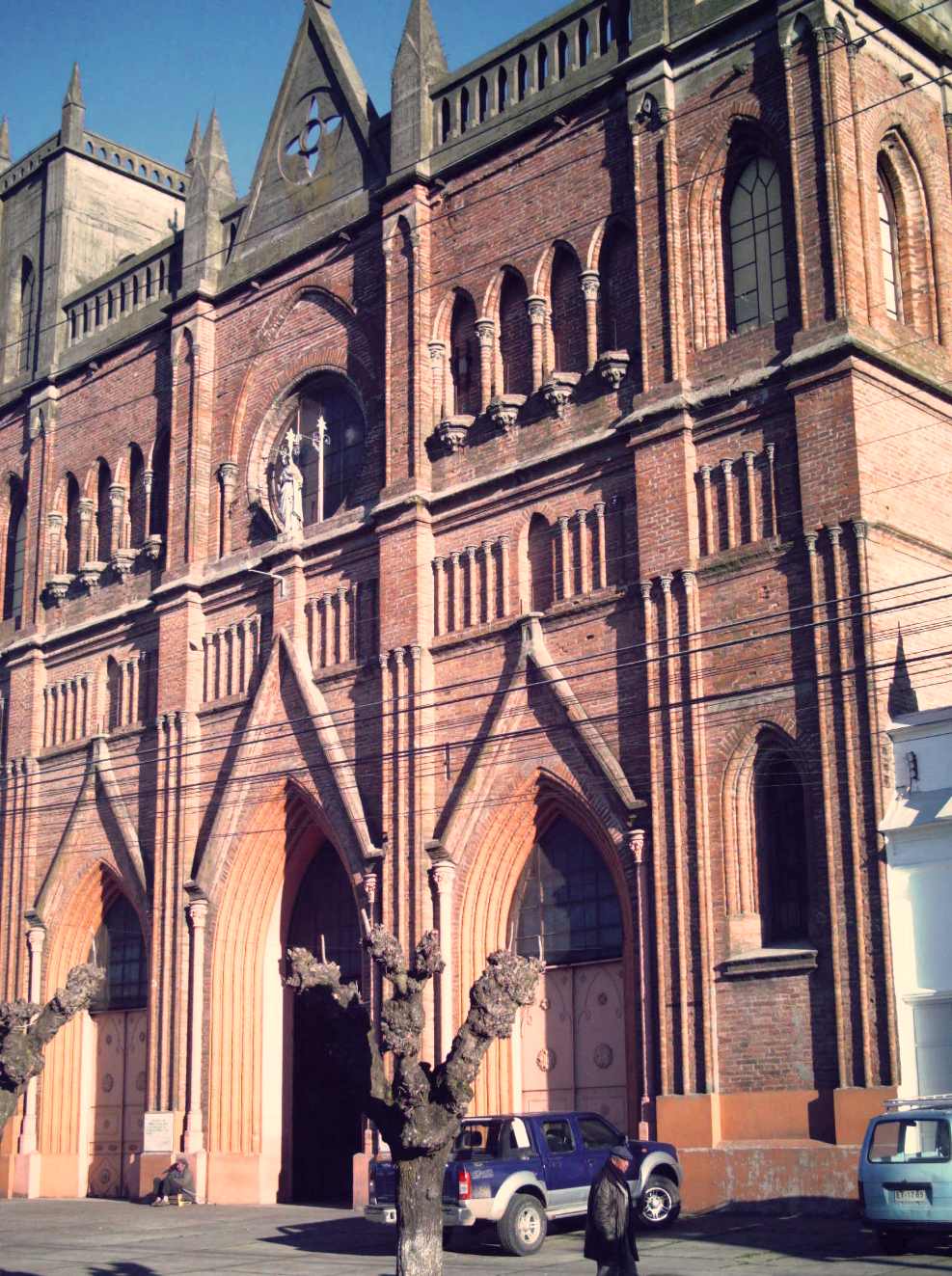
Geography and administration
The city lies within the fertile plains of central Chile, surrounded by farmland and with the Andes foothills visible to the east. As a commune it includes both the urban core and adjacent rural districts, forming the basic territorial unit for local government. Linares is connected by major road routes and regional transport corridors. Maule Region commune details
Economy and land use
The economy of Linares is strongly tied to agriculture and agroindustry: cereals, fruit, vineyards and livestock are common in the surrounding countryside. The city hosts processing facilities, markets, and service businesses that support farming communities. Small manufacturing, retail trade and public administration also contribute to local employment.
History and development
Linares grew from colonial-era settlements into an organized town and later became a provincial capital. Its development accelerated with 19th- and 20th-century improvements in transport and communication, which helped integrate the city into national economic networks. Historic buildings and civic institutions reflect this gradual urban evolution. Provincial capital
Culture, education and transport
The city functions as a cultural focal point for the surrounding rural zone, hosting fairs, festivals and sporting traditions common in central Chile. Educational institutions, including regional campuses and technical centers, provide training and higher education. Linares is served by main highways and regional bus routes that link it to larger cities and to agricultural supply chains. Regional transport
Notable facts and distinctions
While primarily an agricultural and administrative center, Linares also preserves local cultural practices and festivals that attract visitors from neighboring districts. Its position in the productive Central Valley gives it continued importance for food production and rural services, making it a steady regional hub rather than a major metropolitan center.
Related articles
Author
AlegsaOnline.com Linares, Chile — city and provincial capital in the Maule Region Leandro Alegsa
URL: https://en.alegsaonline.com/art/58122
Sources
- munilinares.cl : "Concejo Municipal"
- inemaule.cl : "Región de Maule"
- munilinares.cl : "Historia"
- gobernacionlinares.gov.cl : "Nuestra Provincia Linares"
- weatherbase.com : "Linares, Chile - Köppen Climate Classification"