
Linares Province (Maule Region, Chile)
Central Chilean province in the Maule Region (VII) centered on the city of Linares; an agricultural and transport hub in the fertile Central Valley with valleys, rivers and Andean foothills.
Overview
Provincia de Linares occupies a portion of Chile's central valley and is one of four provinces indicated among the administrative divisions of the provinces that make up the central Chilean territory known as the Maule region (VII). The provincial capital and principal urban center is the city of Linares, which acts as the local administrative, commercial and cultural focal point.
Image gallery
8 Images



Geography and climate
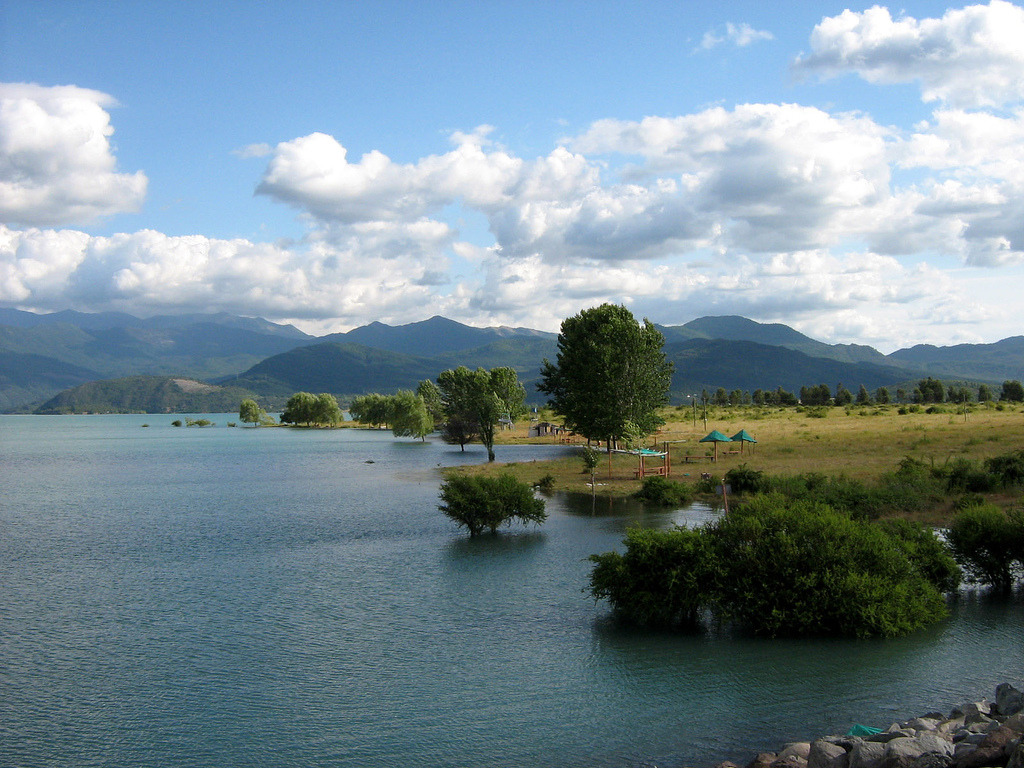
Linares Province lies largely within Chile's longitudinal Central Valley, bordered to the east by the Andes foothills and to the west by lower coastal ranges. The landscape includes agricultural plains, river valleys and irrigated terraces. The climate is typically Mediterranean: warm, dry summers and cool, wetter winters, conditions that favor crops, vineyards and orchards.
Economy and land use
The province's economy is dominated by agriculture and related industries. Farms produce cereals, fruits, grapes for wine and table grapes, as well as vegetables and dairy. Irrigation from regional rivers supports intensive cultivation. Small and medium-sized towns provide commercial services, agro-industry and transport links that connect local produce to national and export markets.
History and administration
Settlement of the area dates back to the colonial period when towns were established to exploit the fertile valley and to serve as regional administrative centers. As a Chilean province it functions as a second-level administrative division and is subdivided into communes, each governed by a municipal authority. The provincial capital hosts regional offices and serves as the hub for public services.
Transport, culture and notable facts
Major roads and railways crossing the Central Valley give Linares Province strategic importance for north–south transport. Local culture reflects rural traditions, with agricultural fairs and seasonal festivals. The combination of productive farmland, river systems and proximity to the Andes make the province important both economically and as a gateway to mountain tourism and outdoor recreation.
- Main functions: agriculture, distribution, local governance
- Natural features: valley plains, rivers, Andean foothills
- Civic role: Linares city as provincial capital and service center
Questions and answers
Q: What is Linares Province?
A: Linares Province is one of the four provinces of the central Chilean region of Maule (VII).
Q: What is the provincial capital of Linares Province?
A: The provincial capital and largest city of Linares Province is Linares.
Q: How many provinces does the central Chilean region of Maule have?
A: The central Chilean region of Maule has four provinces.
Q: What is the significance of Linares in Linares Province?
A: Linares is the provincial capital and the largest city in Linares Province.
Q: What is the official name of Linares Province in Spanish?
A: The official name of Linares Province in Spanish is "Provincia de Linares".
Q: What region is Linares Province located in?
A: Linares Province is located in the central Chilean region of Maule (VII).
Q: What is the size of Linares Province?
A: The text does not provide information on the size of Linares Province.
Related articles
Author
AlegsaOnline.com Linares Province (Maule Region, Chile) Leandro Alegsa
URL: https://en.alegsaonline.com/art/58123
Sources
- gobernacionlinares.gov.cl : "Conozca a la Gobernadora"
- inemaule.cl : "Región de Maule"
- gobernacionlinares.gov.cl : "Nuestra Provincia Linares"