
Ligron — commune in Sarthe, Pays de la Loire, France
Ligron is a small rural commune in the Sarthe department of Pays de la Loire in western France, noted for its agricultural landscape, local heritage and village life.
Overview
Ligron is a small commune located within the administrative region region Pays de la Loire. It lies in the Sarthe administrative area and is one of many villages that make up the rural fabric of this department in the west of France. Like other French communes, Ligron is governed by a municipal council and maintains local services typical of small towns.
Image gallery
1 Image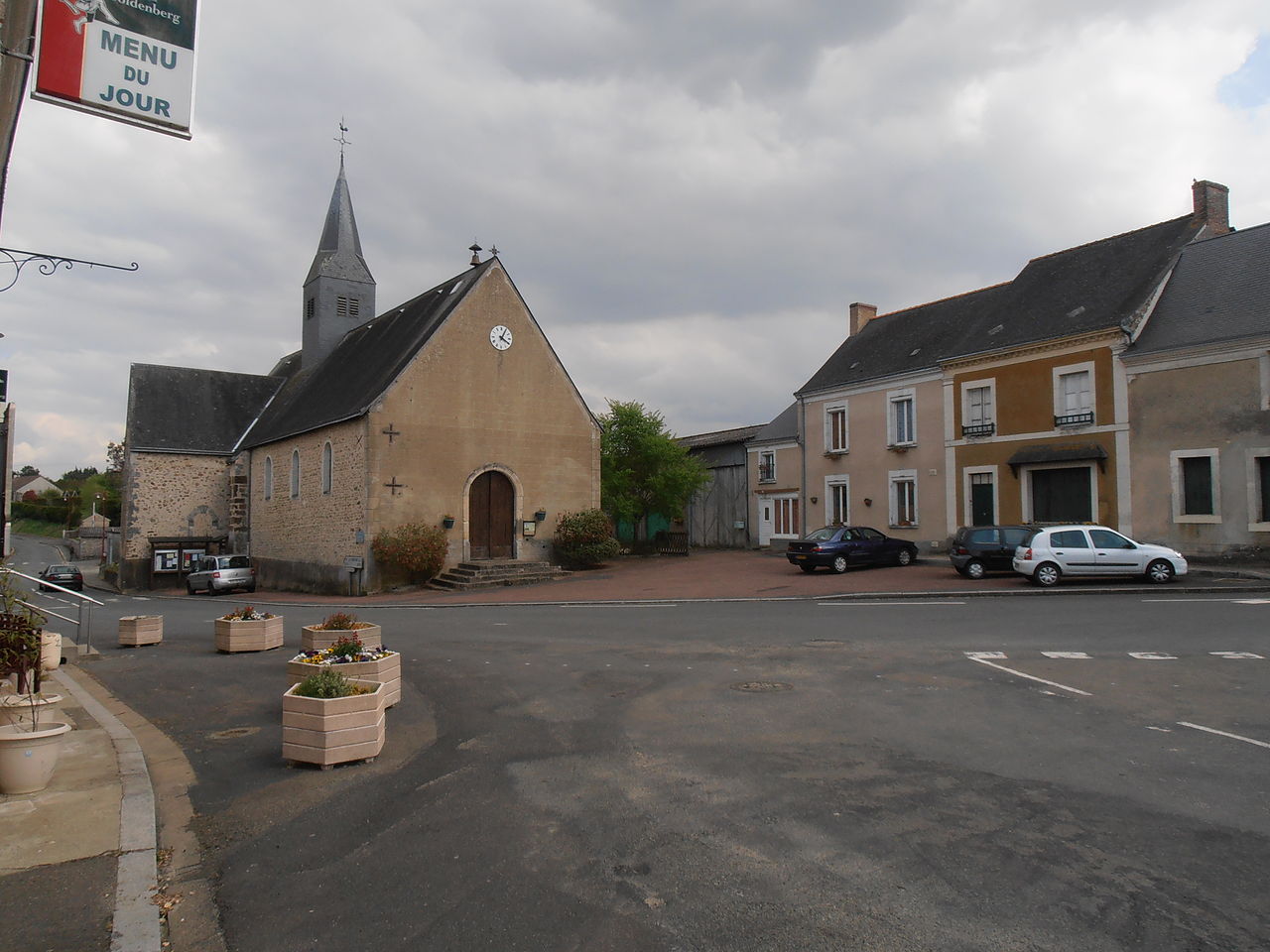
Geography and administration
Ligron occupies a predominantly agricultural landscape of fields, hedgerows and small wooded areas. Its local government manages communal facilities such as the town hall, community spaces and maintenance of rural roads. The commune participates in intercommunal cooperation with neighboring communes to share services and development projects.
History and origins
The settlement pattern in Ligron reflects the long rural history of northwestern France. Its origins trace to medieval village formation and earlier rural habitation. Over centuries, the village evolved around a parish church, local farms and lanes; local records and place names suggest Gallo-Roman and medieval influences in the area’s development.
Economy and daily life
Economic life in Ligron centers on agriculture, small-scale farming and services linked to the needs of village residents. Many inhabitants work in the countryside or commute to larger towns in Sarthe. Village life typically includes local associations, seasonal events and communal traditions that are common to rural communes in Pays de la Loire.
Culture, landmarks and transport
Typical landmarks include the parish church, a mairie (town hall), a war memorial and traditional farm buildings that shape the village’s character. Transport links are largely by departmental roads and local routes; rail and major highway connections are accessible in larger nearby towns and cities within the department.
Notable facts
Ligron exemplifies many small French communes: modest population, close-knit community life, and a landscape shaped by agriculture. Its governance, heritage and daily rhythms are representative of the broader rural areas of the Pays de la Loire region and the Sarthe department.
Related articles
Author
AlegsaOnline.com Ligron — commune in Sarthe, Pays de la Loire, France Leandro Alegsa
URL: https://en.alegsaonline.com/art/57983