
Lillehammer, Norway
Lillehammer is a town in eastern Norway known for winter sports, cultural museums and hosting the 1994 Winter Olympics and Paralympics; it sits on Lake Mjøsa in the Gudbrandsdalen valley.
Overview
Lillehammer is a town and municipality in eastern Norway, situated on the northern shore of Lake Mjøsa in the Gudbrandsdalen valley. Administratively it was long associated with Oppland county and, since regional reorganization, is part of Innlandet county. The town is widely known for its winter-sports facilities, cultural institutions and for hosting the 1994 Winter Olympic and Paralympic Games: see the 1994 Winter Olympics entry for details.
Image gallery
10 Images




Geography and character
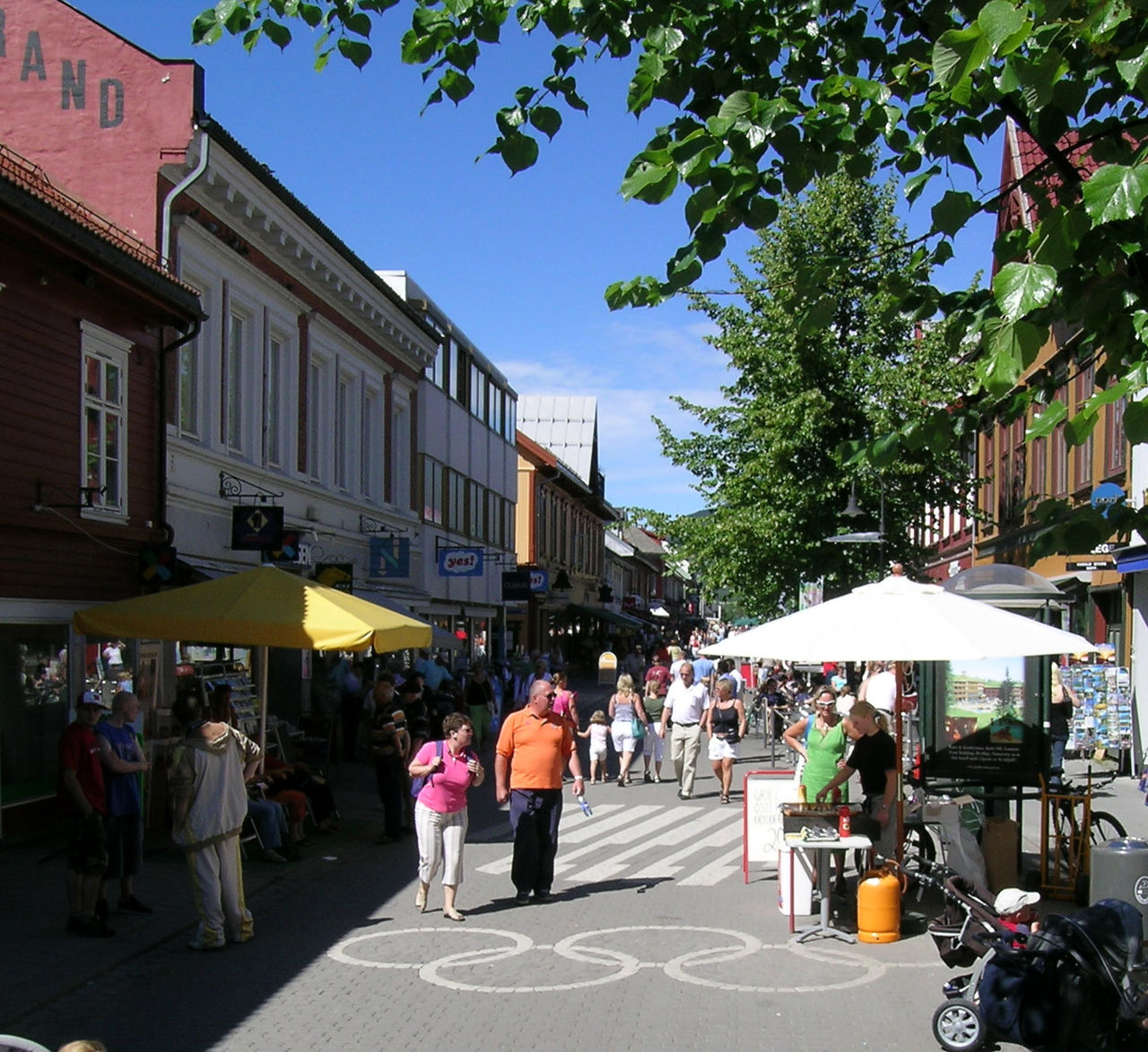
Lillehammer combines an urban centre with surrounding mountain and lakeside landscapes. The compact town centre contains shops, galleries and wooden 19th-century buildings that attract visitors year round. Nearby forests and slopes provide skiing, hiking and cycling opportunities, making the town a regional hub for outdoor recreation.
History and development
The settlement grew during the 19th century as trade and transport improved along Lake Mjøsa and the Gudbrandsdalen corridor. Industrial and service sectors expanded in the 20th century. Hosting the Winter Games in 1994 marked a turning point: new sports venues, accommodation and international profile followed, and the event left a lasting legacy in local infrastructure and tourism.
Attractions and institutions
Key cultural and sport sites include:
- Maihaugen open-air museum, showcasing rural Norwegian life and traditional architecture.
- Norwegian Olympic Museum, documenting the 1994 Games and Olympic history.
- Ski jumping arenas and cross-country trails at Lysgårdsbakken and surrounding facilities.
- A compact pedestrian centre with galleries, restaurants and seasonal events.
Economy, transport and role
Lillehammer's economy mixes public services, tourism, retail and light industry. The town is accessible by road and rail from Oslo and other parts of Norway, and the nearby airport and highway links support both local residents and visitors. Its reputation as a cultural and winter-sports destination makes it important to regional tourism and outdoor education.
Notable facts and distinctions
Aside from the Olympic legacy, Lillehammer is frequently cited for preserving traditional wooden architecture and for combining cultural offerings with accessible nature recreation. The town often appears in guides as an example of a small city with an outsized profile in sport and culture. For municipal information and visitor guidance see the local authority pages such as Lillehammer municipal resources.
Related articles
Author
AlegsaOnline.com Lillehammer, Norway Leandro Alegsa
URL: https://en.alegsaonline.com/art/58034