
Light music: the easy-listening orchestral tradition
Light music is an accessible orchestral and salon-style repertoire that rose in Britain in the 19th century, flourished on mid-20th-century radio, and influenced film, radio and popular arrangements.
Light music is a broadly appealing orchestral style often described as "easy listening." It developed as a form of popular, tuneful music intended for entertainment rather than strict concert presentation. The style has strong roots in the United Kingdom, where seaside bands, promenades and music-hall arrangements shaped its early character, and it became especially visible in the first half of the 20th century and the mid-20th century.
Image gallery
2 Images
Characteristics
Typical features of light music include clear melodies, straightforward harmonies, concise forms, and colorful orchestration that emphasizes wind and string textures. Pieces are often arrangements of popular songs or original short orchestral items suitable for radio and public performance. Because it aimed for wide immediate appeal, the music avoided extended modernist techniques and favored memorable tunes and direct emotional effects. Many pieces were designed to be easily programmable for concert platforms, seaside pavilions and broadcast slots, and they frequently adapted well to small and medium-sized orchestras.
History and broadcasting
The genre traces influences to 19th-century salon and promenade music and to continental Salonmusik. In the 1930s the arrival of regular radio broadcasting expanded its audience: the BBC (BBC) and other services carried light orchestral programmes over the wireless, bringing short, approachable works into homes. After World War II the BBC established the Light Programme (1945), which featured shows such as Friday Night is Music Night and the long-running workplace favourite Music While You Work. These broadcasts helped standardize a repertoire and create radio personalities closely associated with the music.
Notable composers and representative works
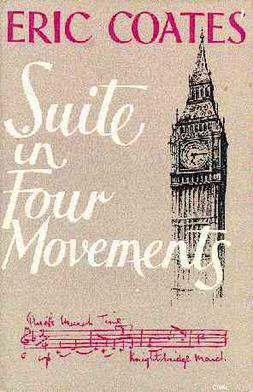
- Eric Coates – known for lyrical suites and miniatures; his "By the Sleepy Lagoon" later became linked with the radio show Desert Island Discs.
- Arthur Wood – wrote "Barwick Green," familiar today as the theme for the radio serial The Archers.
- Leroy Anderson and George Gershwin – in the United States, composers such as Anderson and Gershwin produced light orchestral works and concert pieces that crossed into popular culture; Gershwin in particular bridged classical, jazz and popular idioms (Gershwin).
Uses, influence and modern perceptions
Light music functioned as background and foreground entertainment: it supplied interludes on radio, accompanied seaside and cinematic leisure, and provided material for recordings and arrangements. In film and stage contexts the same qualities—memorable melody and quick impact—are often prized, so light-music idioms fed into film scores and musical theatre. During the late 20th century its popularity waned as tastes shifted toward rock, film scores and eclectic soundtrack-oriented programming, but the repertoire has seen periodic revivals thanks to specialist orchestras, reissues and interest in historical broadcasting.
Distinctions and related genres
Light music occupies a space between classical and popular traditions. It is close to salon music, orchestral pops and easy-listening or "mood" music, yet it is not synonymous with popular song or full-scale symphonic composition. Its identity is also bound up with broadcasting practices and the practical needs of entertainment programming; that link explains why certain pieces became household tunes via radio channels like those promoted by the BBC and other services. As examples of the form remain in recordings and archives, they continue to be studied and performed for their craftsmanship and cultural history.
For further reading and archival material see collections and broadcasters that preserve light-music programmes and scores, and consult historical surveys of 19th- and 20th-century popular orchestral practices (mid-century surveys, radio histories, and regional studies such as those covering British and continental traditions). Additional contextual resources consider the genre alongside Salonmusik and transatlantic developments (American influences and composers like Gershwin), and how individual signature themes were adopted by programmes such as Desert Island Discs or other long-running shows.
Though sometimes labeled unfashionable today, light music remains a valuable record of 20th-century listening habits, broadcasting practice and the commercial art of writing concise, communicative orchestral pieces that could reach a broad public.
Questions and answers
Q: What is Light music?
A: Light music is a style of music that can be described as "easy listening" and became popular in the middle of the 20th century. It often consists of orchestral arrangements of popular songs.
Q: Where did Light music originate?
A: Light music originated in the United Kingdom in the 19th century and was often played at seaside resorts.
Q: Why did light music become popular in the 1930s?
A: When the BBC started broadcasting music on the radio, light music became very popular, and in 1945 the BBC Light Programme was started.
Q: What were some of the popular BBC radio programmes that played Light music?
A: One popular programme was called Friday Night is Music Night, with music played by the BBC Concert Orchestra, and Music While You Work was also a very popular programme.
Q: Is Light Music popular today?
A: Light music is sometimes seen as not in fashion today, and film music and music from musicals are more popular.
Q: Who are some composers of Light music?
A: Eric Coates is a good example of a composer of Light Music. His piece "By the Sleepy Lagoon" became the signature tune of a radio programme called Desert Island Discs. Arthur Wood's "Barwick Green" became the theme of The Archers. In the United States, popular light pieces were written by people such as Leroy Anderson and George Gershwin.
Q: What is Salon Music?
A: Salon music, also known as Salonmusik in German, is a style of music in Europe that is similar to Light music.
Related articles
Author
AlegsaOnline.com Light music: the easy-listening orchestral tradition Leandro Alegsa
URL: https://en.alegsaonline.com/art/57937