
Libby, Montana: Mountain town, river valley, and environmental legacy
Libby, Montana is a small city and Lincoln County seat in northwest Montana, known for its mountain setting, outdoor recreation, lumber and mining history, and a long asbestos cleanup effort.
Libby is a small city in Montana, United States, serving as the county seat (county seat) of Lincoln County. The town had a population recorded in the 2010 census, and today remains a low‑density, close‑knit community. Libby sits at an elevation of roughly 2,096 feet above sea level (elevation noted), where valley and mountain landscapes shape life and local industry.
Image gallery
3 Images

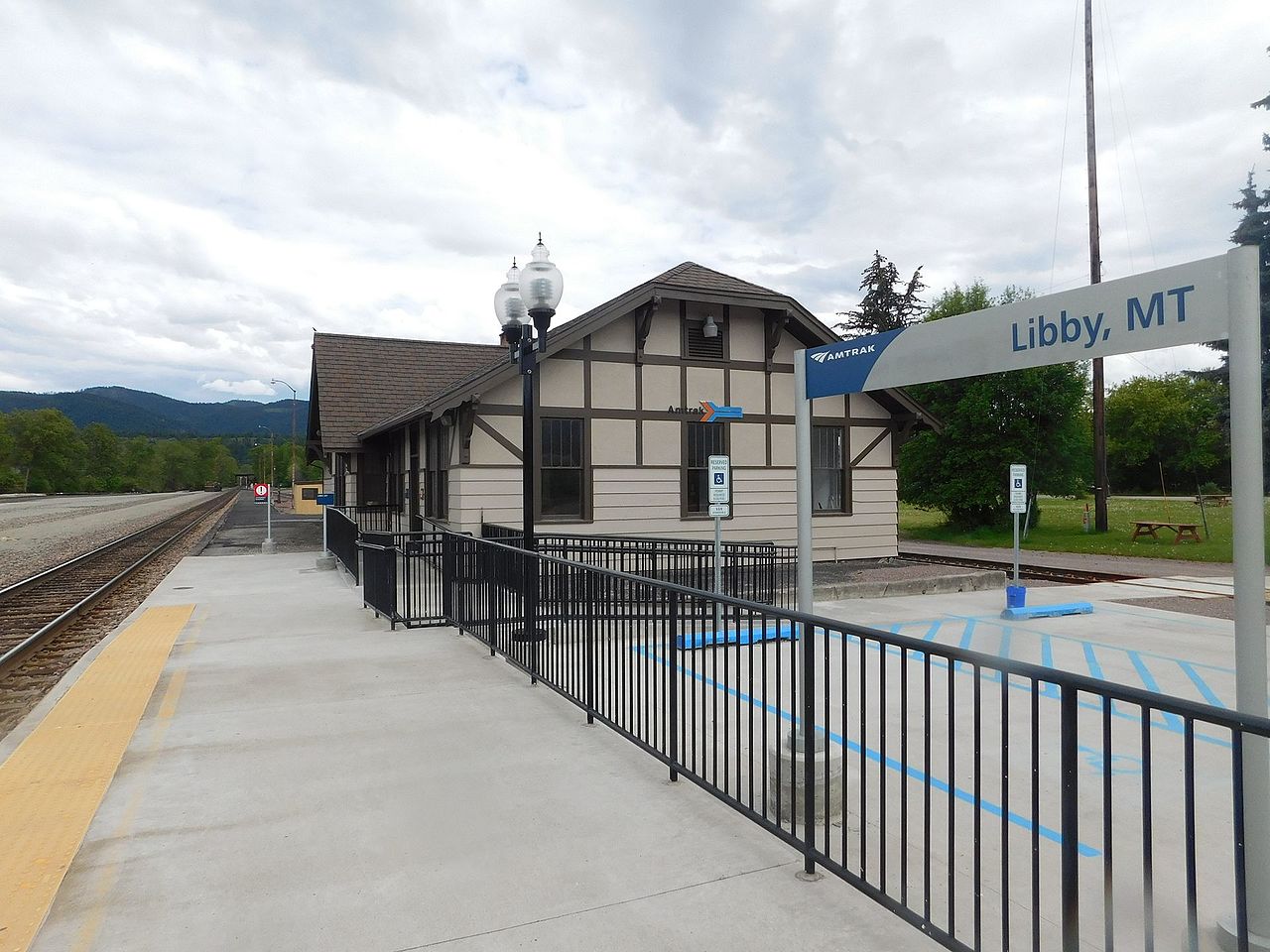
Geography and setting
Libby occupies a river valley in northwest Montana surrounded by national forest and mountain ranges. It lies on the Kootenai River downstream of Libby Dam and is bordered to the south by the Cabinet Mountains and to the north by the Purcell Mountains. The Kootenai National Forest frames much of the surrounding public land, offering a mix of conifer forests, alpine ridges, and river corridors that support wildlife and outdoor activities.
History and development
Originally settled for its timber and mineral resources, Libby grew as logging, rail access, and mining shaped the local economy. Small towns like Libby expanded in the late 19th and early 20th centuries as extraction industries brought workers and families to remote mountain valleys. Over time those industries have declined in scale, and the town adapted by diversifying into services, government, and recreation support.
Economy, recreation, and community
The local economy draws on a mixture of public employment, small businesses, tourism, and residual forestry and mining activity. Outdoor recreation — fishing, hunting, skiing, hiking, and boating — attracts visitors to the Kootenai River and nearby mountains. Community life centers on small public institutions, seasonal festivals, and services that support residents and travelers through the remote northwest Montana landscape.
Environmental legacy
Libby is widely known for a serious environmental and public‑health issue tied to vermiculite mining near the town. Asbestos and other mineral fibers from the mine affected workers, residences, and buildings, prompting medical monitoring and a long cleanup effort carried out by state and federal agencies. The remediation and health response have been important parts of Libby’s recent history, influencing local planning, public health programs, and community advocacy.
Notable facts and resources
Visitors and researchers often note the town’s dramatic mountain views, the presence of public lands, and the ongoing recovery from its industrial past. For official and historical information, consult local government resources and regional forest and health agencies via links for the state, county, census, and environmental programs: state page, federal overview, county seat information, Lincoln County resources, census data, elevation reference, topographic and sea‑level notes.
Related articles
Author
AlegsaOnline.com Libby, Montana: Mountain town, river valley, and environmental legacy Leandro Alegsa
URL: https://en.alegsaonline.com/art/57703