
London Borough of Hackney
Inner London borough in northeast London noted for cultural diversity, green spaces, creative industries, historic neighbourhoods and ongoing urban change since the late 20th century.
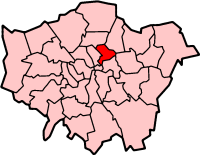
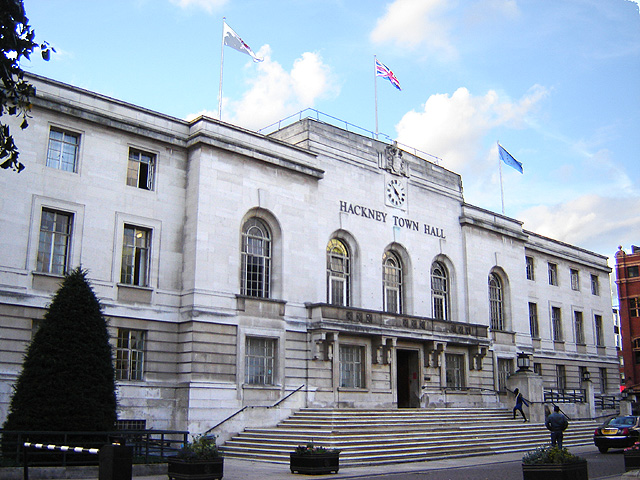
The London Borough of Hackney is an inner London borough to the north-east of the City of London. Created in 1965 by joining the former metropolitan boroughs of Hackney, Shoreditch and Stoke Newington, it combines dense residential districts, commercial centres, river and canal corridors, and several substantial parks. Hackney is widely recognised for its cultural diversity, a thriving creative economy and active local community organisations.
Image gallery
10 Images




Geography and neighbourhoods
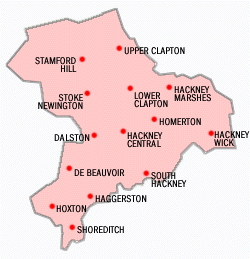
Hackney occupies a compact area that borders the City of London and the boroughs of Islington, Tower Hamlets, Newham and Waltham Forest. Distinct local areas retain strong identities:
- Hackney Central and Hackney Wick — traditional centres with markets and studios.
- Shoreditch and Hoxton — known for nightlife, galleries and tech start-ups.
- Dalston and Kingsland — a transport and cultural hub with vibrant street life.
- Stoke Newington and Stamford Hill — leafy streets, independent shops and a large Orthodox Jewish community in parts of Stamford Hill.
- Clapton, Homerton and Hackney Downs — mainly residential areas with parks and community facilities.
History and development
Many parts of Hackney developed from rural villages into industrial suburbs during the 18th and 19th centuries, when factories, workshops and rail links reshaped the area. The 20th century brought wartime damage, post-war rebuilding and significant council housing. From the late 20th century artists, musicians and small creative businesses moved in, contributing to regeneration. Investment and new housing since the 1990s, and the proximity to the 2012 Olympic Park, have accelerated change and sparked long-running debates about gentrification and housing affordability.
Culture, parks and landmarks
Hackney is home to theatres, independent galleries and music venues, alongside well-known green spaces. Major parks and historic sites include Victoria Park, London Fields, Hackney Marshes, Clissold Park and Abney Park Cemetery. Cultural landmarks include the Hackney Empire theatre, the Museum of the Home (formerly Geffrye Museum) and historic houses such as Sutton House. Street markets and food markets, notably Broadway Market and Ridley Road, play an important role in local life.
Economy, transport and services
The local economy mixes retail, hospitality, creative and digital businesses, with many residents working across Greater London. Hackney is well connected by Overground, numerous bus routes and cycle infrastructure; canal and riverside paths also link neighbourhoods. Public services are administered by Hackney Council, which oversees housing, planning, social services and education through local partnerships and the Hackney Learning Trust.
Community and contemporary issues
Hackney is noted for its strong community organisations and civic activism. Key contemporary issues include the provision and maintenance of affordable and social housing, balancing regeneration with community cohesion, and ensuring public services meet the needs of a diverse and changing population. Sports and leisure facilities, grassroots arts, and local festivals continue to play a central role in the borough's civic life.
Related articles
Author
AlegsaOnline.com London Borough of Hackney Leandro Alegsa
URL: https://en.alegsaonline.com/art/58992