
Les Bois — Municipality in Franches-Montagnes, Canton of Jura
Les Bois is a French-speaking municipality in the Franches-Montagnes district of the canton of Jura, Switzerland, known for its high‑plateau landscapes, forests, equestrian traditions and outdoor recreation.
Les Bois is a municipality in the district of Franches‑Montagnes within the canton of Jura in Switzerland. Situated on the high Jura plateau, the community occupies a rural landscape of pastures, mixed forests and rolling hills. French is the predominant language and local life retains strong ties to traditional agriculture and regional crafts.
Image gallery
4 Images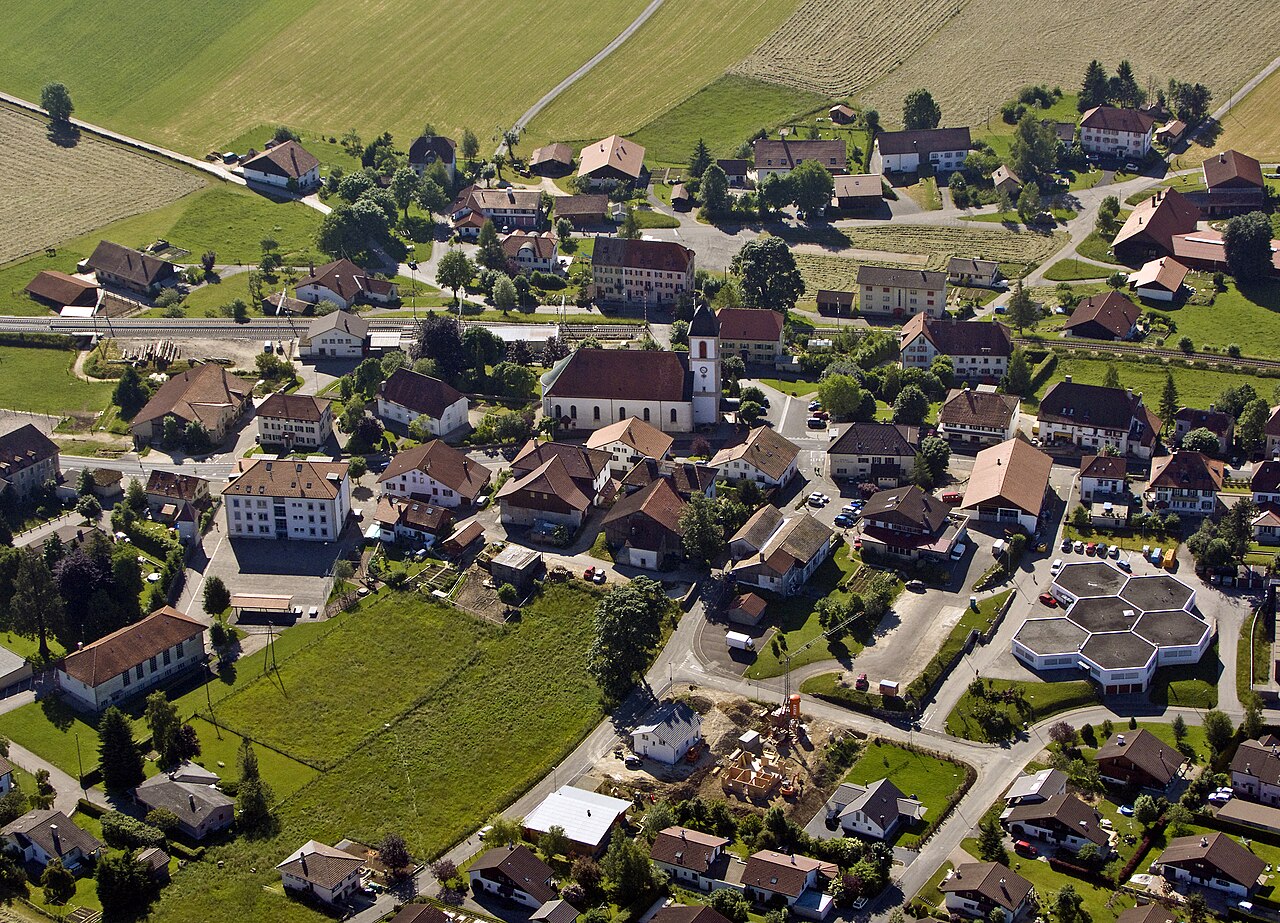


Geography and landscape
The territory around Les Bois features the open moors and wooded slopes typical of the Franches‑Montagnes region. Elevation and a cooler climate support livestock grazing, extensive woodlands and hiking trails. The area is appreciated for cross‑country skiing in winter, walking paths in summer and relatively sparse settlement patterns compared with lowland Swiss valleys.
History and administration
Les Bois shares much of the historical background of the Jura: a rural, often bilingual borderland influenced by agricultural life and small‑scale industry. The modern canton of Jura was established in the late 20th century; since then Les Bois has been administered as part of the cantonal structures and the Franches‑Montagnes district. Local governance focuses on municipal services, land use and preserving natural and cultural heritage.
Economy, culture and activities
Economic activity centers on farming, forestry, artisanal businesses and small industrial workshops typical of the Jura region. Tourism linked to outdoor recreation—hiking, equestrian activities and winter sports—contributes seasonally. The Franches‑Montagnes is also known for its native horse breed, and equestrian traditions are visible in village events and shows.
Transport and local life
Les Bois is connected by regional roads and public transport links to neighboring towns in the canton and beyond. Local facilities generally include community services, small shops and cultural events that reflect rural Jura life. The municipality is often valued by visitors and residents for its landscape, quiet character and access to nature.
- Setting: high Jura plateau, mixed forest and pasture.
- Economy: agriculture, forestry, small industry, tourism.
- Cultural note: ties to Franches‑Montagnes equestrian traditions.
Related articles
Author
AlegsaOnline.com Les Bois — Municipality in Franches-Montagnes, Canton of Jura Leandro Alegsa
URL: https://en.alegsaonline.com/art/57315