
Leo Fender: inventor of modern electric guitars and basses
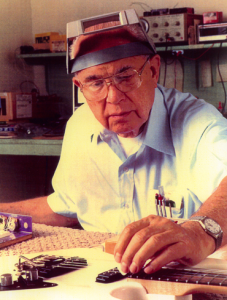
Leo Fender (1909–1991), American electronics engineer and instrument maker who founded Fender and created iconic electric guitars and the first mass-market electric bass.
Clarence Leonidas "Leo" Fender (August 10, 1909 – March 21, 1991) was an American instrument maker and electronics designer whose work established many standards for modern electric stringed instruments. He founded the Fender Electric Instrument Manufacturing Company (Fender) and helped popularize solid-body electric guitars, electric bass guitars, and guitar amplifiers. Fender's instruments became central tools for players across genres and remain widely produced and imitated today.
Image gallery
4 Images


Innovations and signature designs
Leo Fender's designs stressed practicality, serviceability and clear amplified tone. He introduced construction and electronics concepts that were novel or rare at the time and are now characteristic features of many modern instruments. Among his most influential designs are:
- Telecaster — a simple, single-cutaway solid-body electric guitar noted for its bright, cutting tone and rugged, easily serviced construction. Electric guitars of this style helped move popular music toward louder, amplified sounds.
- Stratocaster — a double-cutaway model that added ergonomic contours, a synchronized tremolo system and versatile pickup configurations to broaden tonal range and playability.
- Precision Bass — the first broadly adopted mass-produced electric bass, giving bass players a portable, amplified alternative to the large acoustic double bass and transforming rhythm sections in popular music.
- Jazz Bass — introduced later with a different neck profile and pickup layout to offer players a slimmer feel and a distinct tonal palette.
Technical approach and manufacturing
Fender emphasized modular design and the use of factory-friendly techniques such as bolt-on necks, standardized hardware and clearly routed electronic cavities. These choices reduced manufacturing costs, simplified repairs and encouraged aftermarket modification. He also developed companion amplifiers that paired well with his instruments, helping players shape the distinct electric sounds used in rock, pop, country, jazz and blues.
Historical impact and use
From the 1950s onward Fender instruments became ubiquitous in studios, on stage and in home music-making. Their reliable construction and recognizable sound made them favorites for session musicians and touring artists alike. The Precision Bass in particular changed ensemble roles by allowing bass lines to be heard with greater clarity and at higher volumes, which altered arrangements and playing techniques across many styles.
Later career and legacy
Fender sold his company in the mid-1960s, after which he continued to design instruments and work as a consultant. He later co-founded G&L and collaborated in design efforts with other manufacturers, contributing further developments in pickups, bridge systems and electronics. Leo Fender died in 1991, but the brands and design principles he established continue to influence instrument makers and musicians worldwide.
Notable facts and distinctions
Although celebrated as an inventor and builder, Leo Fender was not primarily known as a performing musician; his background was in electronics and repair work, and he approached instrument design from an engineer's perspective. His focus on mass production, serviceability and a clear amplified voice helped make electric guitars, basses and amps accessible to millions of musicians and cemented his place as a key figure in 20th-century popular music.
Related articles
Author
AlegsaOnline.com Leo Fender: inventor of modern electric guitars and basses Leandro Alegsa
URL: https://en.alegsaonline.com/art/57183