
Lego minifigure
Small, articulated plastic figures included with many Lego sets and sold separately; iconic, collectible, and highly customizable parts used across themes and licensed lines.
Overview
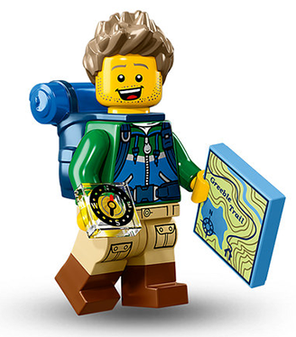
The Lego minifigure, commonly called a Lego person or "minifig," is a small plastic figure designed to represent people, creatures and characters in Lego playsets. Minifigures are produced as part of many official Lego sets and are also available separately as collectible blind-bag figures, accessories, keychains and magnets. They are notable for their modular construction and for the wide variety of printed faces, torsos and accessories that allow rich storytelling and display.
Image gallery
5 Images


Design and parts
A typical minifigure consists of several interoperable elements: a head, torso, hips/legs, and removable headgear or hair. The head is a small cylindrical piece that can be printed with different facial expressions; the torso often features printed clothing or armor designs and has connection points for hands and head; the hips connect to the legs, which provide basic articulation. Accessories such as hats, helmets, weapons, tools and handheld items attach easily and are often theme-specific.
- Head: cylindrical, often printed with expressions or features.
- Torso: upper body with arm and hand connections; frequently decorated.
- Hips and legs: lower body that allows the figure to sit and stand.
- Headgear and accessories: interchangeable items that expand character identity.
History and development
Small figures have appeared in Lego products since the 1970s. Early small figures produced in 1975 resembled the modern scale but lacked the articulation of later designs; they offered only a few headpiece styles such as caps and hats. The form that most people recognize today—with articulated arms, rotating hands and movable legs—became standardized a few years later. Over time, printing techniques, molded accessories and licensed designs expanded the variety of characters available.
As Lego moved into licensed themes and more diverse original lines, minifigures became central to many sets, appearing in historical, science-fiction, fantasy and contemporary contexts. The company and third-party customizers further developed specialized pieces and prints for unique characters.
Uses, collecting and cultural impact
Minifigures serve multiple roles: play elements in children’s construction sets, collectible items for adults and children, and display pieces for hobbyists. Collectors prize rare prints, limited releases and figures tied to popular licenses. Many fans customize minifigures by repainting, swapping parts or 3D-printing new accessories to create unique characters.
Variants and notable facts
Not all small Lego figures follow the standard minifigure format. Larger-scale figures appear in Duplo and other sub-brands, while some themes use specially proportioned characters. Companies have also produced promotional and functional variants such as keychains, magnets and minifigure-scale mini-figures for dioramas. The consistent modular design of minifigures is a major reason for their lasting popularity: parts from different eras and themes generally remain compatible, encouraging creativity across generations of sets.
For a quick guide to terminology and collecting, see resources and community guides available online, or consult official product information for the most current releases and specialty pieces. Additional reading about the earliest figures and the transition to the modern design can be found through historical Lego documentation and enthusiast archives.
More on the term · Lego sets and themes · Early 1975 figures · Design changes in the late 1970s
Related articles
Author
AlegsaOnline.com Lego minifigure Leandro Alegsa
URL: https://en.alegsaonline.com/art/57011