
Les Noces (The Wedding) — Stravinsky’s ballet-cantata
Les Noces is a 1923 stage work by Igor Stravinsky with choreography by Bronislava Nijinska: a percussive, folk-rooted ballet for voices, pianos and percussion that bridged music and modern dance.
Overview
Les Noces (The Wedding) is a staged musical-dance work composed by Igor Stravinsky and originally created for the Ballets Russes. It blends elements of rural Russian ritual with modernist musical language. The piece was presented as a dance cantata and is structured in four scenes that portray episodes of a traditional peasant wedding.
Image gallery
3 Images
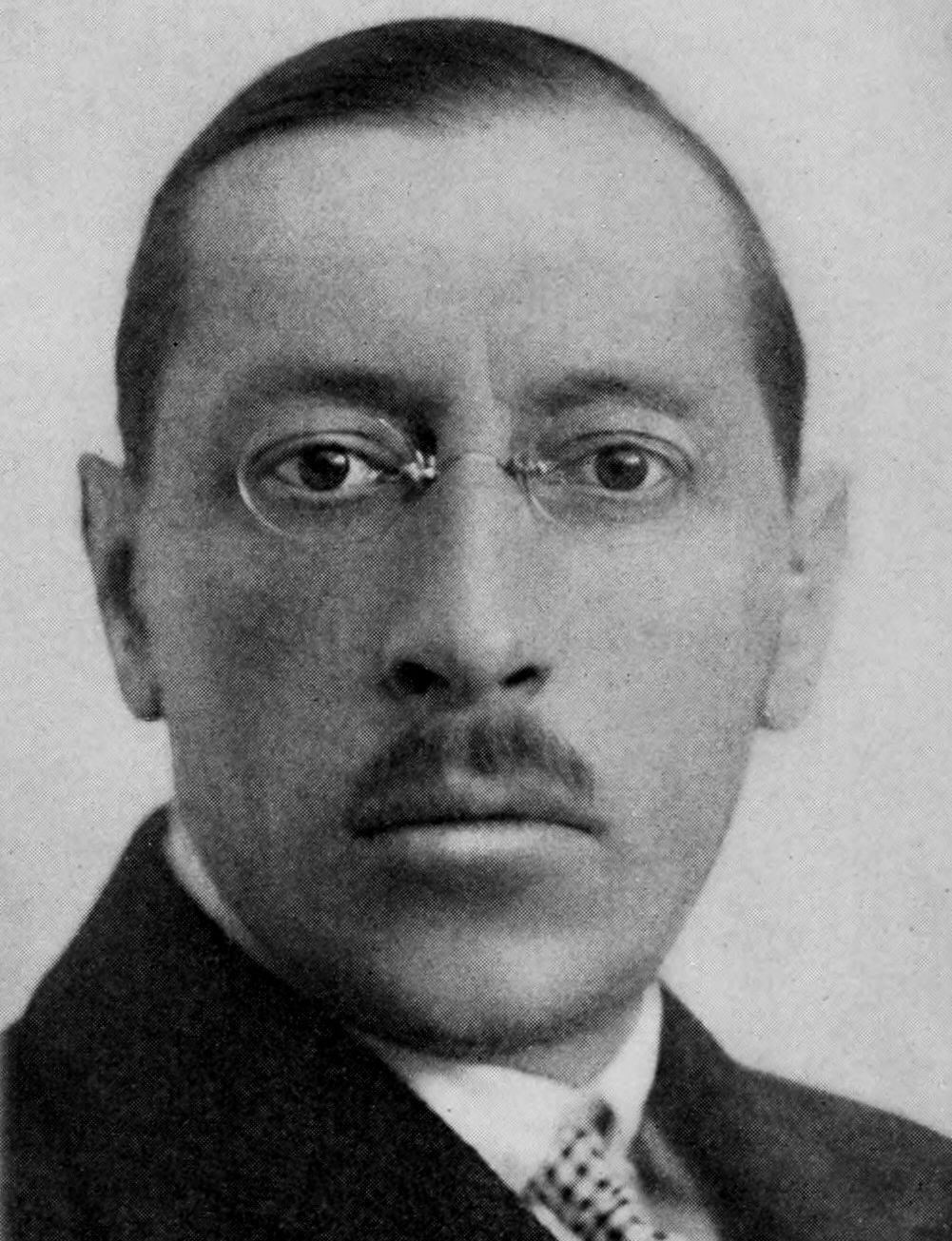

Music and scoring
Stravinsky provided both the music and the textual material, drawing on folk texts and ritual phrases. The unusual scoring — chorus and other voices combined with four pianos and an extensive percussion battery — produces a sharply rhythmic, highly percussive sound world. The result places emphasis on rhythm and block-like sonorities rather than on Romantic melody, and it is often cited as an important step toward Stravinsky's later neoclassical works.
Choreography and premiere
The dance was choreographed by Bronislava Nijinska for Sergei Diaghilev's company under the direction of Sergei Diaghilev. The premiere took place on 13 June 1923 at the Théâtre Gaîté-Lyrique in Paris. Nijinska's movement vocabulary emphasized group patterns, stark geometry and ritualized gestures intended to evoke communal ceremony rather than individual virtuosity.
Structure, themes and choreography
Les Noces unfolds as a sequence of tableaux: preparations, negotiation, celebration and aftermath. The stage action focuses on communal relationships, exchange and symbolic acts associated with marriage. Musically and choreographically the work treats the wedding as a collective ritual, using repetition and rhythmic layering to convey both ceremony and tension.
Reception and legacy
At its first performances Les Noces attracted strong reactions for its austerity and bold sound palette. Over time it became recognized as a landmark of 20th-century music and dance, influencing composers and choreographers interested in folk material, primitivism and formal clarity. Apart from staged productions, the score is frequently performed in concert contexts and arranged for different ensembles, and it is often heard in concert programming alongside Stravinsky's other works.
Notable aspects and further reading
- Genre: hybrid between ballet and choral cantata.
- Terminology: commonly described as a "dance cantata" because choreography and sung text are equally integral.
- Form: concise, episodic, ritual-based scenes.
- Performance: appears both on stage and in concert.
For those seeking recordings, analyses and production histories, consult specialized catalogues and scholarly studies that document the many interpretations of this distinctive work.
Questions and answers
Q: What is Les Noces?
A: Les Noces is a ballet in four scenes, originally performed for the Ballets Russes of Sergei Diaghilev.
Q: Who choreographed Les Noces?
A: Les Noces was choreographed by Bronislava Nijinska.
Q: Who composed the music of Les Noces?
A: The music of Les Noces was composed by Igor Stravinsky.
Q: What instruments were used in the music of Les Noces?
A: The music of Les Noces was written for four pianos, percussion, and voices.
Q: When was Les Noces first presented?
A: Les Noces was first presented on 13 June 1923 at the Théâtre Gaîte-Lyrîqué in Paris.
Q: How is Les Noces sometimes referred to in regards to its music?
A: The ballet is sometimes called a "dance cantata", and the music is sometimes performed as a concert piece.
Q: What language were the words of Les Noces written in?
A: The words of Les Noces were written in Russian.
Related articles
Author
AlegsaOnline.com Les Noces (The Wedding) — Stravinsky’s ballet-cantata Leandro Alegsa
URL: https://en.alegsaonline.com/art/57378