
Léalvillers — Commune in the Somme, northern France
Léalvillers is a small commune in the Somme department of northern France, historically part of Picardie. Overview of its location, administration, local features, history and rural character.
Overview
Léalvillers is a small French commune classified as a commune in the north of the country. It lies within the Somme department, historically associated with the region of Picardie, which since 2016 is part of the larger administrative region Hauts-de-France. The commune is one of many local municipalities that make up rural France and serves as the lowest level of the country’s territorial administration.
Image gallery
1 Image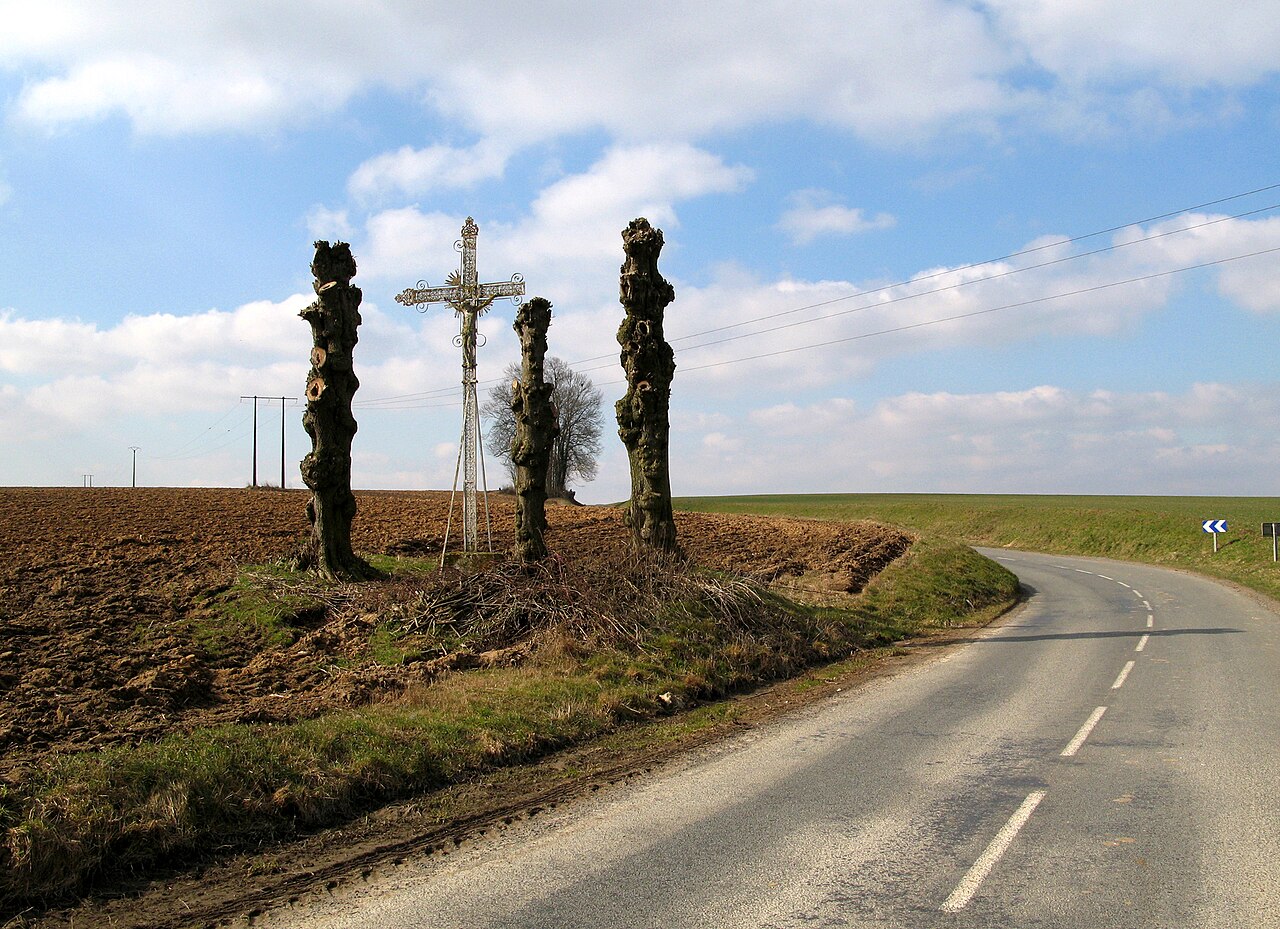
Location and administration
Administratively Léalvillers sits in the Somme department, itself a subdivision of the national state. Local government is conducted through a municipal council and a mayor, following the standard French model for communes; responsibilities typically include local planning, maintenance of communal facilities and civil registration. For department-level matters and services, the Somme council provides broader support and coordination at the departmental level.
Geography and landscape
The commune is set in the rural landscape of northern France, characterised by agricultural fields, hedgerows and small lanes. Like many settlements in the Somme, the surroundings combine cultivated farmland with patches of woodland and meadows. Its location places it within easy conceptual reach of larger towns and transport routes that connect to the rest of France.
History and context
Léalvillers shares the long historical patterns common to villages in the Somme: medieval origins, agricultural development, and adaptation through modern administrative reforms. The wider Somme area is known for its layered history, including medieval architecture and the deep social changes of the 19th and 20th centuries. The First World War left a marked legacy across the department, shaping local memory and commemorative practices, although specific events vary from one commune to another.
Economy, culture and local features
The economy of communes like Léalvillers is typically based on agriculture, small-scale local services and commuting to nearby towns. Cultural life in small communes often centres on community institutions: a town hall (mairie), communal school or meeting rooms, local churches, and memorials. Visitors and researchers interested in rural France will find this pattern illustrative of the wider region.
Typical sights and practical notes
- Common communal features: mairie (town hall), parish church, and a war memorial—elements often present in Somme villages.
- Landscape interest: agricultural scenery, country lanes and nearby market towns.
- Practical information: as a small commune, services may be limited and best accessed via nearby larger towns or departmental services.
For administrative details, demographic statistics, local events or official notices, consult the commune’s administrative pages and departmental resources. The structure and daily life of Léalvillers reflect the enduring role of communes in France’s territorial organization and rural identity.
Related articles
Author
AlegsaOnline.com Léalvillers — Commune in the Somme, northern France Leandro Alegsa
URL: https://en.alegsaonline.com/art/56780