
Le Quesnoy-en-Artois
Le Quesnoy-en-Artois is a small commune in the Pas-de-Calais department of northern France, notable for its rural character, local heritage and role within regional administration.
Overview
Le Quesnoy-en-Artois is a rural commune located in the department of Pas-de-Calais, in the historic northern part of France. Administratively it belongs to the modern region often associated with Hauts-de-France and historically linked to Nord-Pas-de-Calais. It lies in the broader area described as the north of France, a territory shaped by agriculture, small towns and layered historical influences.
Image gallery
1 Image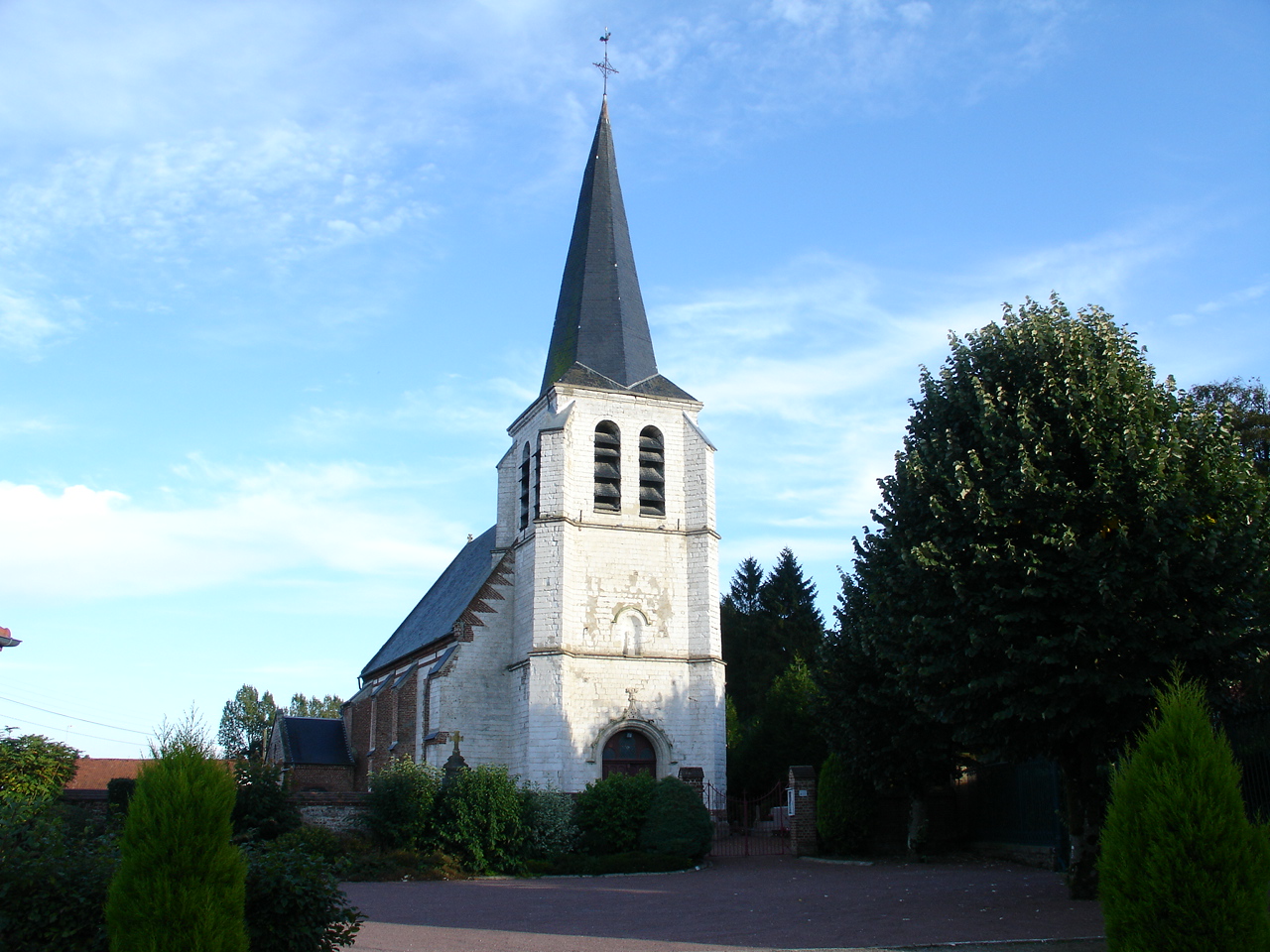
Geography and administration
The commune occupies a largely agricultural setting typical of the Pas-de-Calais countryside. Local governance follows the French municipal model: a mayor and municipal council manage local services, planning and community life. Basic infrastructure supports farming, residential needs and connections to nearby market towns. For administrative details and contacts one typically consults the official commune resources and departmental services via the relevant department channels.
History and development
Settlement in this part of northern France has medieval roots and many villages grew from small fortified or enclosed hamlets. Over time such communities evolved around parish churches, roads and agricultural land. The wider Pas-de-Calais region experienced significant social and economic change from the industrial era through the twentieth century, and like many communes it bears traces of those transformations in local architecture and land use.
Sights, economy and daily life
Le Quesnoy-en-Artois exemplifies small‑scale rural life: farmland, hedgerows, traditional houses and a local church or communal buildings provide the visual character. The local economy is dominated by agriculture and services that support residents; rural tourism and countryside walking are modest but growing attractions for visitors seeking quiet landscapes and heritage. Community events, markets and festivals follow local traditions and the agricultural calendar.
Notable distinctions and context
- Do not confuse this commune with other places named Le Quesnoy elsewhere in France; names repeat regionally.
- It is representative of many small communes in Pas-de-Calais, illustrating the administrative, cultural and rural patterns of northern France.
- For maps, demographic statistics and public services consult the commune's official page and departmental resources linked above.
Readers seeking practical information—opening hours, local administration contacts or events—should consult the commune's official communications or the departmental platform. The area offers a window onto the quieter, agricultural side of northern French life and its layered history.
Related articles
Author
AlegsaOnline.com Le Quesnoy-en-Artois Leandro Alegsa
URL: https://en.alegsaonline.com/art/56673