
Layton, Lancashire
Layton is a residential district in the north of Blackpool on the Fylde coast, Lancashire, England, known for its mix of housing, local shops, community facilities and links to the town centre.
Layton is a district in the northern part of Blackpool, situated on the Fylde coast in the county of Lancashire, England. It forms a suburban area within the wider urban spread of Blackpool and combines residential streets with local commercial areas and community services. Layton is commonly regarded as a quieter, more everyday neighbourhood compared with the resort's seafront zones.
Image gallery
4 Images


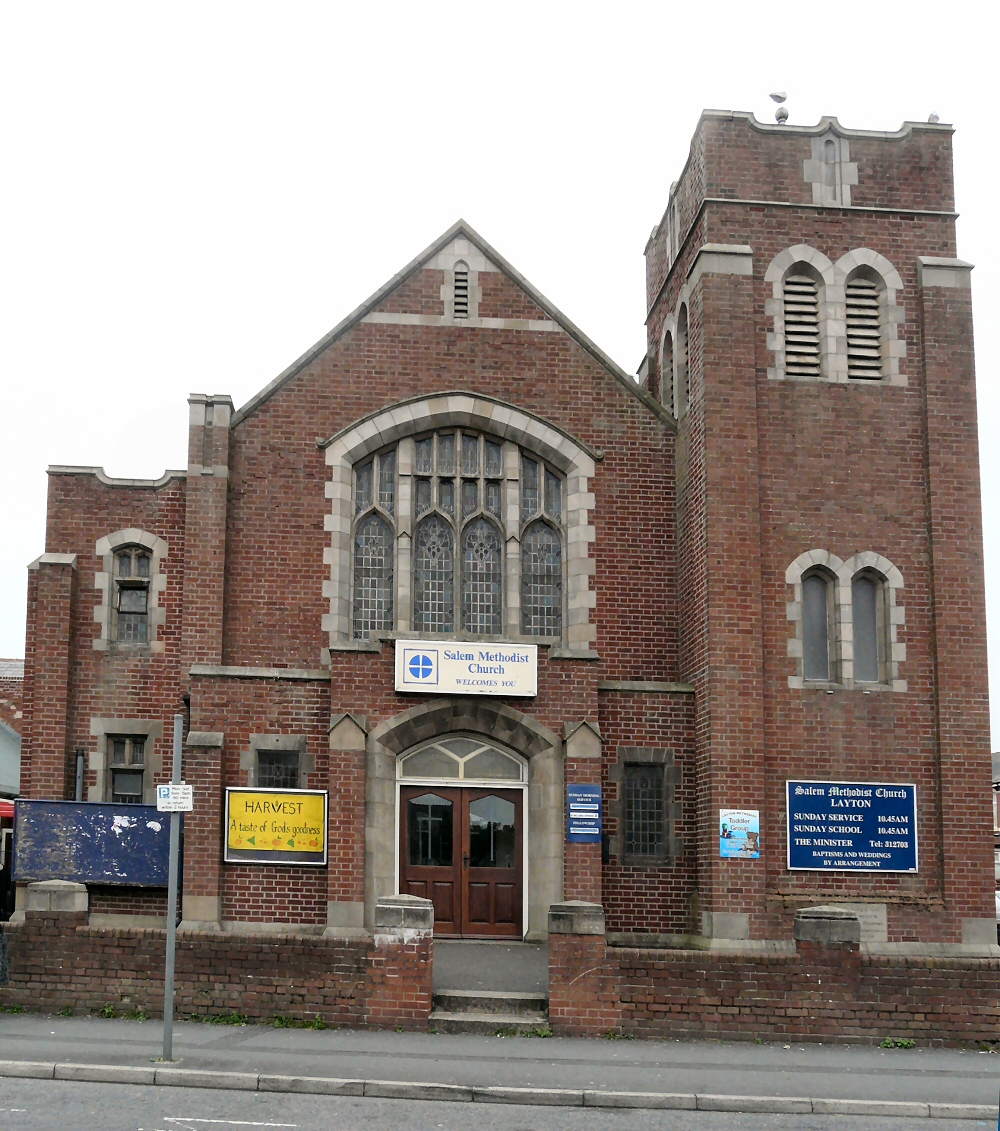
Characteristics and layout
The district contains a mixture of housing types — terraced streets, semi‑detached houses and small apartment blocks — reflecting steady growth during the late 19th and early 20th centuries. A local high street and parades of shops serve everyday needs while occasional public green spaces and civic buildings provide community focal points. The area is primarily residential but includes small business premises and civic amenities.
History and development
Originally a small village or hamlet on the Fylde plain, Layton grew as Blackpool expanded with the rise of seaside tourism and general urbanisation in the 19th century. Over time it was incorporated into the municipal area of Blackpool as housing and transport links spread northwards. Many of the surviving buildings and street patterns show the influence of Victorian and Edwardian urban development.
Transport, amenities and services
- Public transport: Local bus services connect Layton with Blackpool town centre, the seafront and neighbouring districts, providing commuter and leisure links.
- Shops and services: A compact retail strip and scattered independent traders supply groceries, cafés, takeaways and household services.
- Community facilities: Schools, places of worship and community centres support local life and activities.
Notable aspects and distinctions
Layton is notable as part of the everyday urban fabric behind Blackpool’s tourist frontage: its importance lies in housing, local trade and social infrastructure rather than leisure attractions. It should not be confused with other places of the same name outside the UK. For readers seeking more detail about local governance, demographics or facilities, municipal and regional resources provide up‑to‑date information.
First‑hand visits, local histories and council publications are useful for further reading about street names, historical buildings and community initiatives in Layton.
Related articles
Author
AlegsaOnline.com Layton, Lancashire Leandro Alegsa
URL: https://en.alegsaonline.com/art/56487