
Lawrenceville, Illinois: county seat and regional community
Lawrenceville is a small city in southeastern Illinois that serves as the county seat of Lawrence County. It functions as a local government, commercial, and service center for surrounding rural areas.
Lawrenceville is a small city in southeastern Illinois that functions as the county seat of Lawrence County and a hub for nearby agricultural communities. Located close to the Indiana border, the city combines a compact historic downtown and civic center with residential neighborhoods and services that support the surrounding rural region.
Image gallery
3 Images

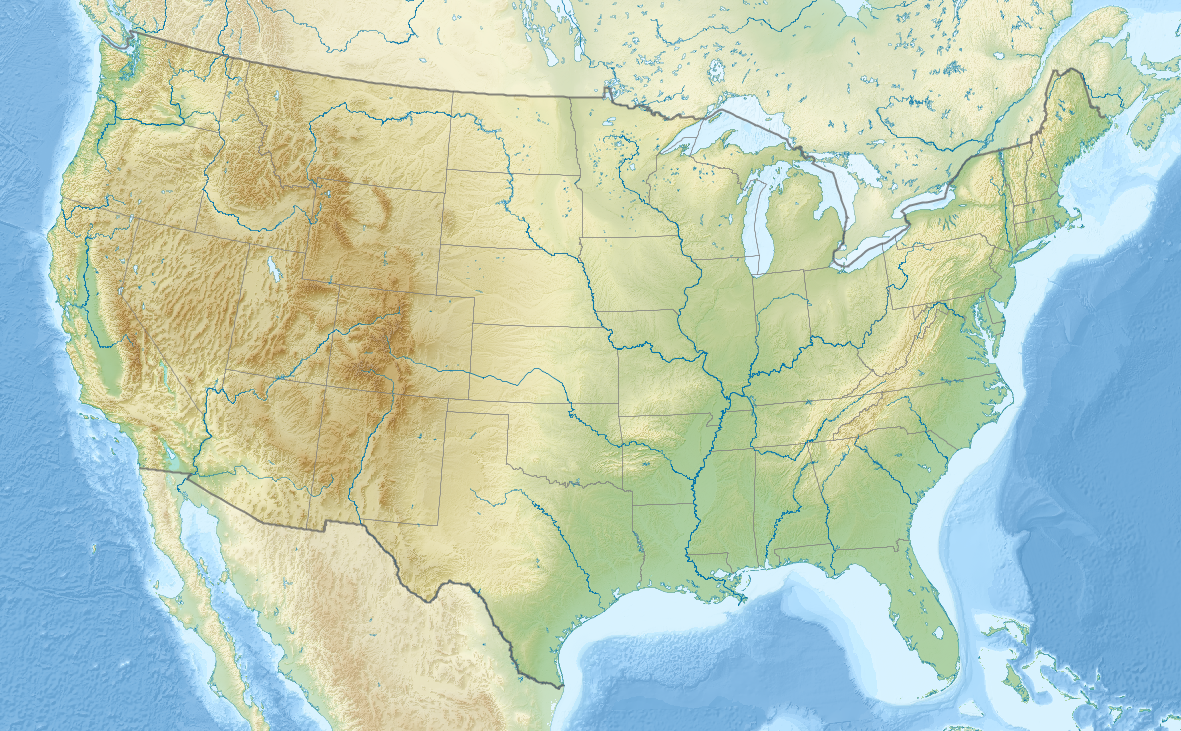
Geography and character
Lawrenceville sits within a landscape dominated by farmland, woodlands and small waterways typical of this part of the Midwest. Its scale and street pattern reflect its role as a county seat: a courthouse square or civic core, small commercial strips, schools and local health and social services. Residents typically rely on local businesses, county government, and regional centers for employment and amenities.
History and origin
The city grew up in the early 19th century as settlement pushed westward. The county and community were named in honor of the U.S. naval officer James Lawrence, a figure remembered from the War of 1812. Over time Lawrenceville became the administrative center for the county, hosting the courthouse, municipal offices and institutions that serve the wider rural population.
Economy and community life
Lawrenceville's economy is shaped by agriculture, local government, light commerce and services such as schools, health care and retail that serve residents of the city and surrounding townships. Community life centers on local schools, civic organizations, seasonal fairs and events that reflect the area’s rural heritage and small-town traditions.
Notable features and uses
- Administrative functions: county courthouse and public offices that handle regional governance.
- Service role: education, primary health care, and retail services for nearby rural residents.
- Cultural and historic interest: a compact downtown and community traditions that illustrate Midwestern small-city life.
For people researching small Midwestern cities or planning travel in southeastern Illinois, Lawrenceville offers an example of a county seat whose significance lies in local governance, community services and connections to the agricultural economy. Further local resources and municipal information can be found through regional directories and government pages in the United States: see links for the city, the state and national context for additional details (city, state, national).
Related articles
Author
AlegsaOnline.com Lawrenceville, Illinois: county seat and regional community Leandro Alegsa
URL: https://en.alegsaonline.com/art/56453