
Lawrence County, Illinois
Lawrence County is a rural county in southeastern Illinois, founded in 1821 and named for naval officer James Lawrence. The county seat is Lawrenceville; the 2010 census recorded 16,833 residents.
Overview
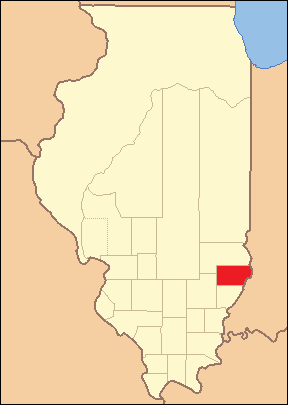
Lawrence County is a county in the U.S. state of Illinois, located in the state's southeastern region near the border with Indiana. According to the 2010 census, the county had 16,833 residents. Its county seat and largest community is Lawrenceville, which also serves as the center of local government and services (county seat information).
Image gallery
5 Images


History and name
Lawrence County was established in 1821 during the early decade of Illinois statehood. It was named in honor of James Lawrence, a U.S. naval officer remembered for his command in the War of 1812 and the phrase "Don't give up the ship." Settlement and growth in the 19th century followed patterns common to the region: land cleared for farming, small towns forming around trade routes, and county institutions centered in the seat at Lawrenceville.
The county's development reflects broader Midwestern trends: an agricultural base, gradual improvements in transportation, and population shifts over the 20th and 21st centuries. Local historical societies preserve early records and the stories of founding families.
Geography, economy, and communities
Geographically, the county features farmland, small woodlands, and waterways that supported early settlement and remain important for local recreation and agriculture. The economy is predominantly rural: agriculture, related services, and small manufacturing or light industry play significant roles. Towns are generally small, with community institutions such as schools, churches, and local businesses forming the social core.
- Founded: 1821
- County seat: Lawrenceville
- 2010 population: 16,833 (U.S. census) — see census data
- Namesake: James Lawrence, U.S. naval officer
Local governance provides typical county-level services: courts, property records, road maintenance, and public safety. Education is administered through local school districts and regional institutions; residents often travel to nearby cities for specialized medical care, higher education, or larger commercial services.
For more on community life, local government contacts, and historical resources, consult county publications and regional guides. Online resources and county offices offer current statistics, while cultural events and fairs reflect the county's rural traditions and community ties.
Additional information and official contacts can be found through regional portals and government pages linked from county resources (state and federal listings). Historical summaries and archives are available through local repositories and libraries.
Related articles
Author
AlegsaOnline.com Lawrence County, Illinois Leandro Alegsa
URL: https://en.alegsaonline.com/art/56417