
Laurel Hill Cemetery, Philadelphia — historic rural cemetery and landmark
A 19th-century rural cemetery in Philadelphia along the Schuylkill River, noted for its landscape design, Gothic architecture, and the graves of prominent Americans. A National Historic Landmark.
Overview
Laurel Hill Cemetery is a historic burial ground in Philadelphia, Pennsylvania. Founded in the 1830s as part of the American "rural cemetery" movement, it combines carefully planned landscape, funerary sculpture and memorial architecture. The property overlooks the Schuylkill River and is recognized as a National Historic Landmark; it is also listed with the National Park Service as a site of historic significance.
Image gallery
10 Images




Design, landscape and principal features
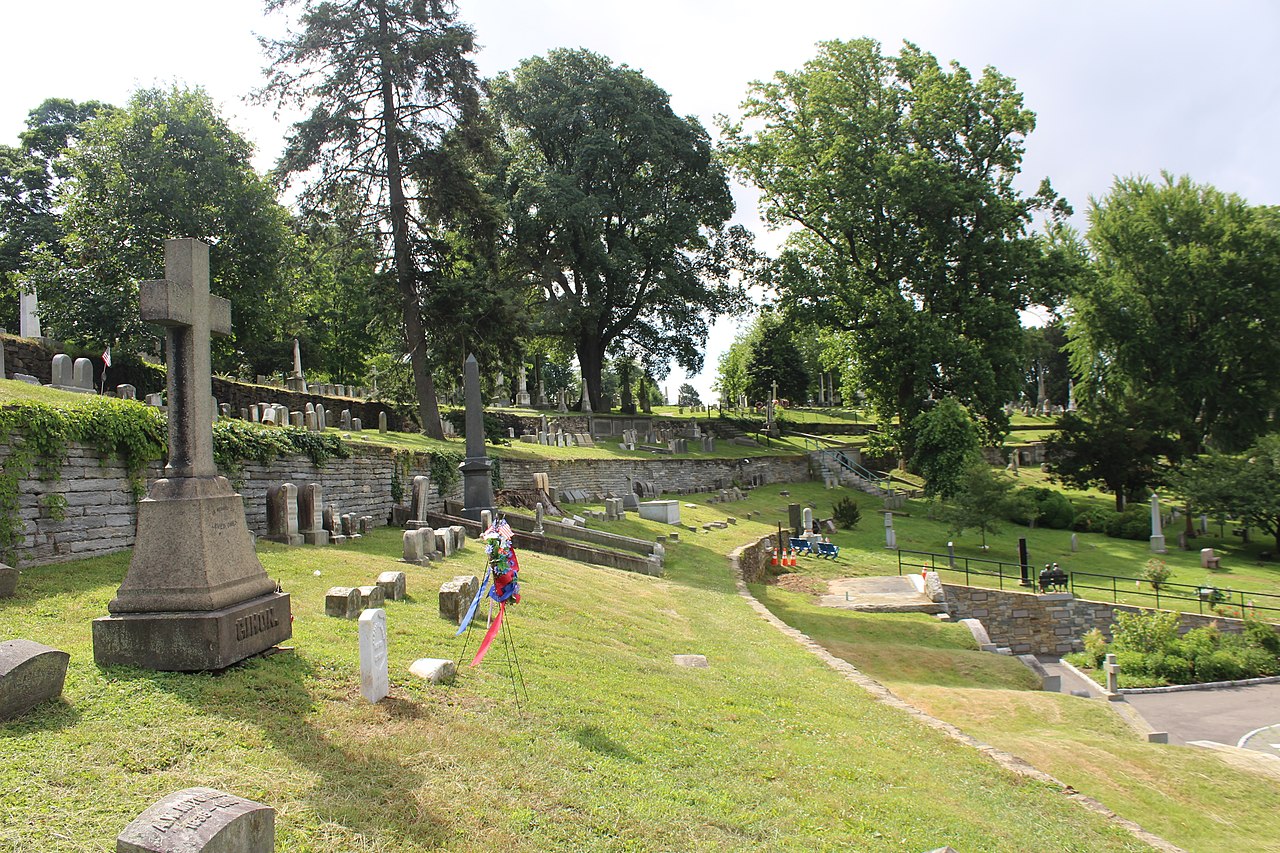
Laurel Hill was developed to provide a peaceful, park-like setting outside the dense city. Its layout uses winding drives, terraces and hilltop vistas to create a varied topography for family plots, monuments and single graves. The grounds include lawns, specimen trees and ornamental plantings typical of 19th-century cemetery design, and pathways intended for both mourning and public visitation.
- Architectural elements: chapel and memorial structures in Gothic and classical idioms.
- Landscape elements: terraces, winding roads and river views.
- Sculptural features: obelisks, sarcophagi, and carved monuments illustrating changing tastes in commemoration.
History and development
A group of Philadelphia citizens acquired property on a rise near the river in the mid-1830s to establish a burial ground beyond the urban core. Construction began in 1836 and continued through the late 1830s, reflecting contemporary concerns about public health, urban growth and the desire for dignified burial spaces. The original plan and many early monuments date from that initial period and illustrate the transition from crowded churchyards to landscaped cemeteries intended for both interment and recreation.
Architecture and notable structures
The cemetery's earliest buildings were produced by architects working in popular 19th-century styles. The Scottish-American architect John Notman is credited with the cemetery's early design work, which included siting and layout decisions that harmonized built and natural features. A small Gothic-style chapel provides a focal point for funerary ceremonies and exemplifies the period's taste for medieval-inspired architecture; references to this building appear in many historical accounts (chapel details).
Notable burials and cultural importance
Laurel Hill contains the graves of a range of 19th-century and later figures from publishing, the military, politics and the arts. Such interments help scholars track social history, genealogy and the evolution of memorial customs. Examples include prominent cultural figures and military officers whose lives intersected with national events.
- Louis Antoine Godey — influential 19th-century publisher and editor.
- Sarah Josepha Hale — writer and editor known for advocacy on education and literacy.
- General George G. Meade and other military leaders of the Civil War era (nearby sections hold additional veterans).
Preservation, public access and interpretation
Today Laurel Hill functions as both a working cemetery and a historic site. Preservation efforts address monuments, landscape features and buildings; interpretive programs provide guided tours, lectures and publications that explain the site's development, art and biographies of those interred. Visitors are encouraged to respect the funerary purpose of the grounds while using regulated paths and services to learn about the cemetery's role in urban history.
Because Laurel Hill exemplifies the shift in American attitudes toward burial, landscape design and public commemoration in the 19th century, it remains an important resource for historians, preservationists and the general public interested in architecture, landscape design and social history.
Related articles
Author
AlegsaOnline.com Laurel Hill Cemetery, Philadelphia — historic rural cemetery and landmark Leandro Alegsa
URL: https://en.alegsaonline.com/art/56300
Sources
- nrhp.focus.nps.gov : "National Register Information System"
- search.pahistoricalmarkers.com : "PHMC Historical Markers"
- tps.cr.nps.gov : Listing
- findagrave.com : Laurel Hill Cemetery