
Lassie (TV series)
Classic American family drama about a heroic collie and her human companions, broadcast 1954–1973; noted for its long run, multiple setting changes, and cultural influence on children’s television.
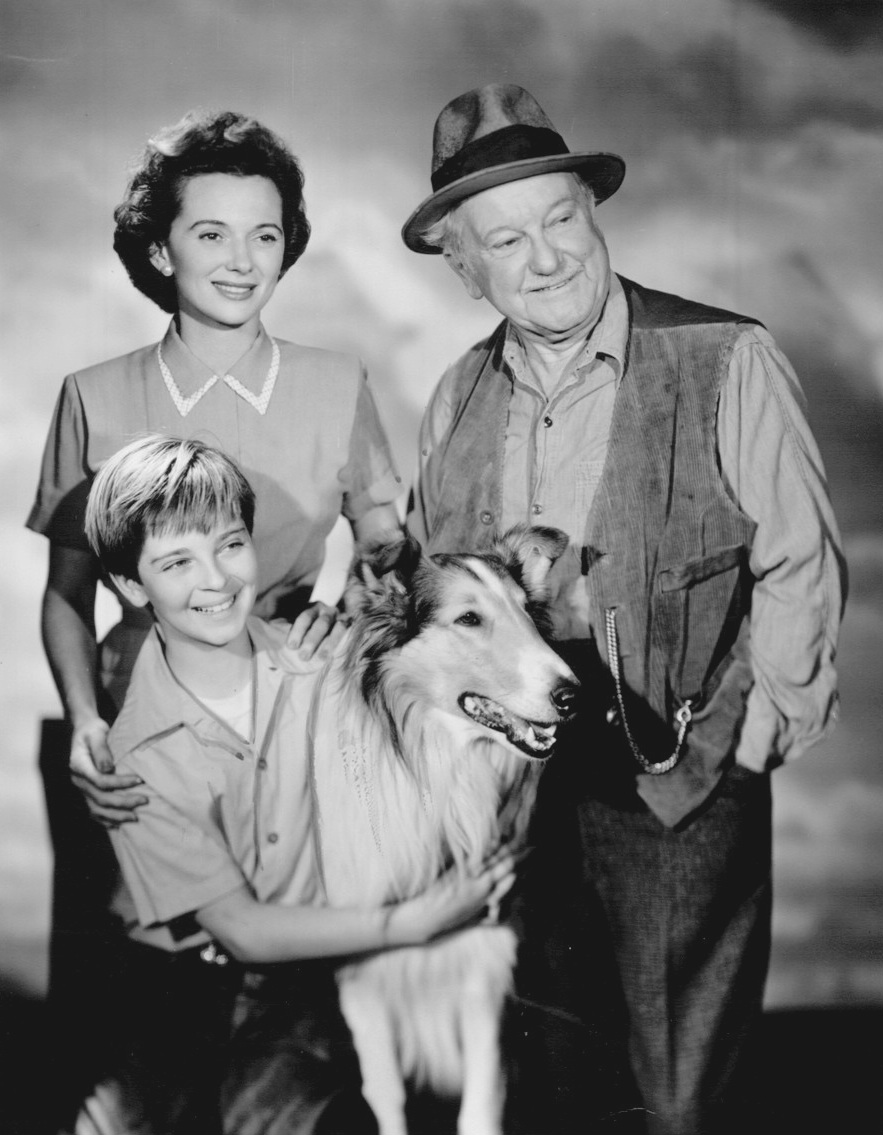
Lassie is an American television drama that followed the adventures of a loyal and intelligent collie and the people she protected and aided. The series premiered in 1954 and continued in first-run episodes through 1973, becoming one of the longest-running family programs of its era. It combined elements of rural drama, adventure and animal storytelling to appeal to children and parents alike, and remained widely seen in reruns for decades.
Image gallery
10 Images




Concept, format and recurring elements
The core premise centers on Lassie’s devotion to her human companions and her ability to sense danger, find lost people, and summon help. Episodes were typically self-contained, with the collie at the center of an emotional or physical problem that required resourcefulness. Production relied on reliable staging of outdoor locations, staged rescues and an identifiable musical signature — the series’ distinctive "whistle theme" — that became part of its popular identity.
The program was presented in half-hour weekly installments for most of its run. Its storytelling combined domestic moments with action sequences suitable for young viewers: farm chores interrupted by crises, wilderness rescues during the Forest Service years, and later episodes set around community and social-service themes. Merchandise, tie-in comic books and playsets extended the show’s presence beyond the television broadcast, reflecting its commercial success and broad audience recognition.
Origins and production history
The television series grew from a collaboration between television producer Robert Maxwell and animal trainer Rudd Weatherwax, who selected a collie named Pal to play the role. Pal had already appeared as Lassie in a series of motion pictures, and he starred in the television pilots before retiring. Successor canine performers were descendants of Pal and were trained by Weatherwax’s team. Control of the series production changed hands in 1957 when Jack Wrather became producer and stewarded the program through much of its popularity.
Cast, settings and phases
Across its nearly two-decade run the show moved through several distinct settings and ensembles. The first decade primarily portrayed life on a struggling Midwestern farm and focused on Lassie’s relationship with a young boy, a role initially played by Tommy Rettig and later by Jon Provost. As cast members changed, adult roles were played by established performers whose work earned Emmy nominations. In the mid-1960s the series shifted emphasis from the farm to adventures with Forest Rangers, broadening the show’s geography to include national parks and dramatic natural backdrops. In its final seasons Lassie was depicted as part of a home for children with special needs, reflecting a narrative turn toward social issues.
- Early years: family farm and the boy-and-his-dog dynamic.
- Middle years: partnership with Forest Rangers and outdoor rescues.
- Final years: community and social-service settings.
Reception, awards and end of production
The series received critical and popular recognition during its run, winning Emmy Awards in its early years and consistently attracting a family audience. Campbell’s Soup served as a long-term sponsor during the show’s nineteen-year original run, a sponsorship that supported extensive merchandising. Changes in television regulation and scheduling in the early 1970s — including new guidelines affecting prime-time content and placement — contributed to the decision to end production rather than move the program into a later time slot viewed as less suitable for its child audience.
Legacy and notable facts
Lassie became a cultural touchstone for portrayals of heroic animals in American media. The canine actors who played Lassie were, in every case after the original Pal, male descendants trained to portray a female character, a long-standing practice in film and television animal casting. The whistle theme and the image of the collie as protector entered the popular imagination, and episodes from the series were later repackaged into theatrical and television specials. Reruns kept Lassie in circulation for generations, and the show influenced later family- and animal-centered programming.
For further information about the broadcast and production context, see records of the network that originally aired the series (CBS), awards archives (Emmy Awards), biographies of principal cast members (June Lockhart), and location examples cited in production notes (Alaska).
Questions and answers
Q: What was the name of the television series?
A: The television series was called Lassie.
Q: Who created the show?
A: The show was created by television producer Robert Maxwell and animal trainer Rudd Weatherwax.
Q: What type of dog played the title character?
A: Pal, an actual collie, played the title character in both the seven MGM movies and two pilots for the television series.
Q: Who took over as producer of the show in 1957?
A: Oil millionaire Jack Wrather took over as producer of Lassie in 1957.
Q: Who were some of the actors on the show?
A: Tommy Rettig, Jon Provost, Jan Clayton, June Lockhart and Hugh Reilly were some of the actors on Lassie.
Q: What time slot did Lassie originally air in?
A: Lassie aired at 7 pm for its entire 19-year run.
Q: What awards did it win during its early years? A: The show won two Emmy Awards in its early years.
Related articles
Author
AlegsaOnline.com Lassie (TV series) Leandro Alegsa
URL: https://en.alegsaonline.com/art/56151