
Latin rock: the fusion of Latin American rhythms and rock music
Latin rock blends rock instrumentation with Latin American and Caribbean rhythms, languages, and instruments. It spans English- and Spanish-language scenes and has evolved since the 1960s into diverse regional forms.
Overview
Latin rock is a broad label applied to rock music that incorporates rhythms, instruments, melodic patterns or languages rooted in Latin America and the Caribbean. The term covers a range of approaches: some artists graft percussion and folk motifs onto standard rock arrangements, while others write songs in Spanish or Portuguese and employ traditional instrumentation alongside electric guitars and drum kits. Because the phrase has been used differently by English- and Spanish-language media, it can refer either to a stylistic fusion or simply to rock sung in Iberian languages.
Image gallery
5 Images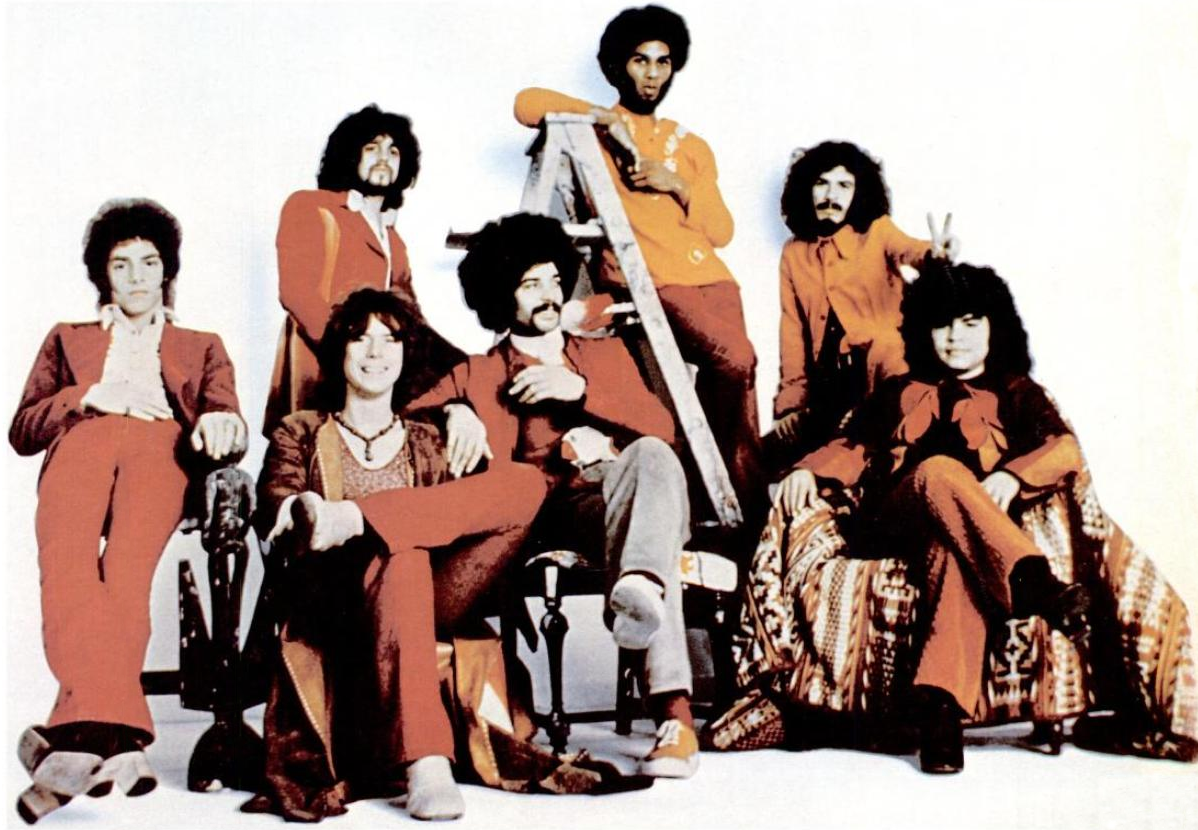




Characteristics and common elements
Musically, Latin rock often mixes rock song structures and amplification with features more typical of regional musics. These include:
- Rhythmic patterns derived from Afro-Latin and indigenous sources, such as clave, cumbia or montuno grooves (Latin American and folk traditions).
- Use of percussion instruments—congas, timbales, bongos—alongside standard rock drums.
- Melodic or harmonic influences from regional folk styles, and occasional incorporation of acoustic guitars, brass, or traditional stringed instruments.
- Language choices that may include Spanish, Portuguese or English; language often shapes audience and distribution (rock marketed to different regions).
Origins and development
The modern form of Latin rock began to coalesce in the late 1960s as musicians combined popular rock with Latin rhythms and jazz influences. One of the earliest widely recognized exponents was Carlos Santana and his ensemble (Santana), who brought Latin percussion into a rock context and reached broad audiences at festivals and on records. Their success helped show how bilingual or predominantly English recordings could carry Latin rhythmic language to mainstream listeners, while also inspiring artists who chose to sing in Spanish or Portuguese (Spanish-language scenes) to reach local audiences.
Influences and crossover
Latin rock has a porous relationship with many other styles. It frequently intersects with soul, jazz, funk, blues and psychedelia, borrowing improvisational approaches, harmonic complexity, and rhythmic drive. That cross-pollination allowed artists to move between danceable popular forms and more experimental music, and it contributed to the genre's appeal in festivals, clubs and recordings worldwide.
Regional scenes and evolution
Across Latin America, Spain and among diaspora communities, Latin rock developed different inflections. In some countries the term describes rock bands that foreground local folk melodies; in others it signals a fusion intended for international audiences. Over decades, the style has evolved into subgenres and hybrid forms—sometimes fusing with ska, reggae, hip hop or electronic production—so that contemporary artists may situate themselves anywhere along a spectrum from roots-oriented to mainstream pop-rock.
Importance, distinctions and notable examples
Latin rock played a role in broadening rock's vocabulary by legitimizing Afro-Latin rhythms in electric-pop and concert settings. Important distinctions to remember are whether a band’s Latin elements are primarily rhythmic/percussive, language-based, or instrumental in origin. For entry points into the field, listeners often begin with historical pioneers and then explore regional scenes and modern hybrids. For further reading and resources, consult genre overviews and artist histories via general guides and specialized pages on regional music, folk traditions, or the role of rock in different cultures. Additional topics and archives can be found through curated timelines on percussion, influential albums, and biographies like those linked at artist profiles, historical accounts of soul and Latin crossover, studies of jazz intersections, funk and dance influences, and discussions of blues, psychedelia, and language politics in popular music (Spanish-language rock).
Whether approached as a stylistic fusion or a category of language-based rock, Latin rock remains a lively and adaptive set of practices that continue to influence global popular music.
Questions and answers
Q: What is Latin Rock?
A: Latin Rock is a music subgenre combining elements of traditional Latin American and Caribbean folk music with rock music.
Q: How is the term "Latin Rock" used in English language media?
A: The term "Latin Rock" in English-language media is widely used to refer to any rock music featuring Spanish or Portuguese vocals.
Q: Who led the archetypal Latin Rock band?
A: Carlos Santana led the archetypal Latin Rock band.
Q: What was Carlos Santana's most popular Latin Rock fusion band?
A: Santana was Carlos Santana's most popular Latin Rock fusion band.
Q: How successful was Santana's music globally?
A: Santana's music was very successful globally, selling more than 90 million records worldwide, making them one of the world's best-selling groups of all time.
Q: What inspired Santana's musical style?
A: Santana's musical style was inspired by a fusion of Latin American and Caribbean rhythms, soul, jazz, funk, blues, psychedelia and rhythm and blues based on rock music.
Q: How did singing in English contribute to Santana's success?
A: Singing in English allowed Santana to open up the chance of really wide popularity, rather than limiting the audience to Puerto Rican, Mexican and Cuban immigrants.
Related articles
Author
AlegsaOnline.com Latin rock: the fusion of Latin American rhythms and rock music Leandro Alegsa
URL: https://en.alegsaonline.com/art/56218
Sources
- allmusic.com : "Latin Rock"
- imusicdictionary.com : "Latin rock definition"
- lasvegassun.com : "An intimate evening with Santana: greatest hits live"