
Ariyalur: Limestone town and district headquarters in Tamil Nadu
Ariyalur is a small town and the administrative centre of Ariyalur district in Tamil Nadu, India, noted for its limestone deposits, cement industry, fossil finds and agriculture in the Cauvery Delta.
Overview
Ariyalur is a town in the Indian state of Tamil Nadu, serving as the administrative headquarters of Ariyalur district. Located in South India, the town lies within the fertile plains of the Cauvery delta and functions as a local service, agricultural and industrial centre. Ariyalur was constituted as a municipality in 1994; according to the 2011 census the municipal area covered 7.62 km2 and had a population recorded then at 28,902. The town forms its own assembly constituency and is part of the Chidambaram parliamentary constituency for national elections.
Image gallery
3 Images

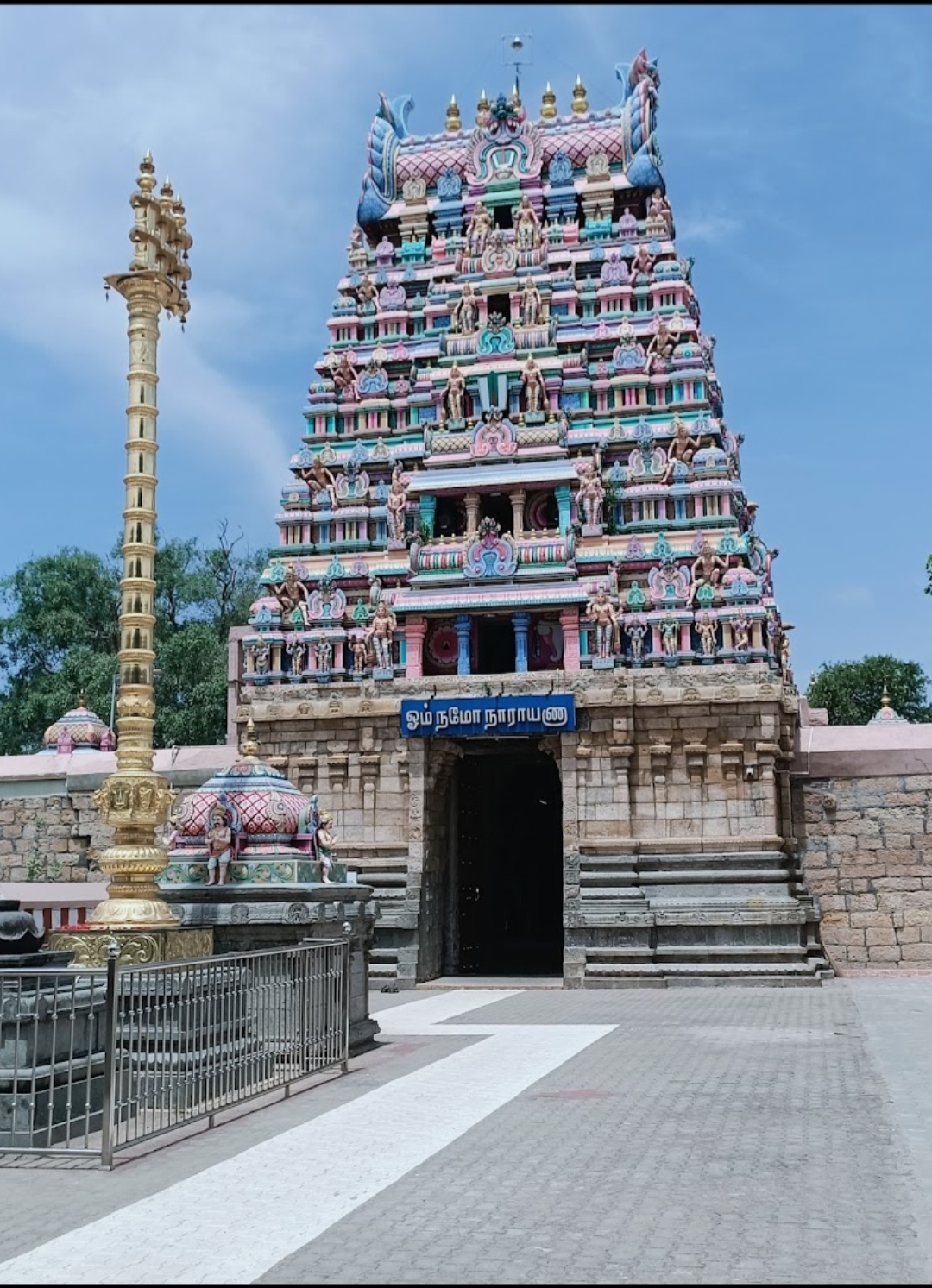
Geology, landscape and notable features
Ariyalur is particularly well known for its extensive limestone deposits. These carbonate-rich formations have supported a number of cement factories and related industries in and around the town. The geological beds in the region are also a source of fossil material; paleontological discoveries in the Ariyalur area have attracted scientific interest for the study of Cretaceous and later sediments. The surrounding plain is part of the Cauvery irrigation network, with flat alluvial soils that favour rice cultivation and other field crops.
Economy and land use
The local economy combines agriculture, mineral processing and light manufacturing. Agriculture remains a major livelihood: irrigated paddy (rice) cultivation is common across the deltaic fields, and crops such as sugarcane support local sugar mills. The presence of rich limestone reserves has encouraged cement production; several cement factories operate within the district and nearby areas, and there are sugar-processing units connected to regional cane production. Small-scale trade, services and public administration also contribute to employment.
History and development
Ariyalur's human and administrative history is tied to the broader developments of central Tamil Nadu. Historically a rural and agrarian area, the discovery and industrial use of high-quality limestone transformed parts of the district's economy during the 20th century. Municipal governance established in the 1990s formalized urban management for the town, which continues to balance its role as both an industrial node and an agricultural market centre. Its status as the district headquarters makes it the focal point for local government and public services.
Transport, administration and civic life
The town is connected by road and rail links typical of district centres in Tamil Nadu, facilitating movement of agricultural produce and industrial materials. As the seat of district administration, Ariyalur hosts government offices, courts and educational institutions that serve the surrounding rural taluks. Demographic and civic services reflect its dual character: urban municipal functions coexist with rural markets and seasonal farming cycles.
Distinctive facts and local importance
- Natural resources: Ariyalur's limestone reserves underpin an active cement industry and have scientific value for paleontology.
- Agriculture: Located in the Cauvery delta, it supports paddy and sugarcane cultivation that sustain local food and processing industries.
- Administrative role: As a district headquarters, it concentrates regional administration and civic services.
- Cultural and economic balance: The town exemplifies a regional centre where traditional agriculture and resource-based industry coexist.
For further information about local administration, economic activity or cultural sites consult specialist resources or district publications. General references and government portals can provide updated statistics and development plans relevant to Ariyalur and the wider district in Tamil Nadu. Historical and geological studies give more detail on fossil finds and the evolution of the limestone-based industries that shape the town's economy and landscape.
Selected links: Regional context, Cauvery delta information.
Related articles
Author
AlegsaOnline.com Ariyalur: Limestone town and district headquarters in Tamil Nadu Leandro Alegsa
URL: https://en.alegsaonline.com/art/5579