
Lana Turner: Hollywood actress and mid‑century film star
American film and television actress (1921–1995), discovered at 16 and signed to MGM. Known for glamorous screen persona, key films like The Postman Always Rings Twice and Peyton Place, and a long Hollywood career.
Overview
Lana Turner (February 8, 1921 – June 29, 1995) was an American film and television actress whose career stretched from the studio era into the television age. Celebrated for her glamour and dramatic presence, she became one of Hollywood's best‑known stars of the 1940s and 1950s. Turner balanced popular melodramas and noir roles with later character parts, and is widely remembered for both her screen image and a life that attracted intense public attention.
Image gallery
10 Images
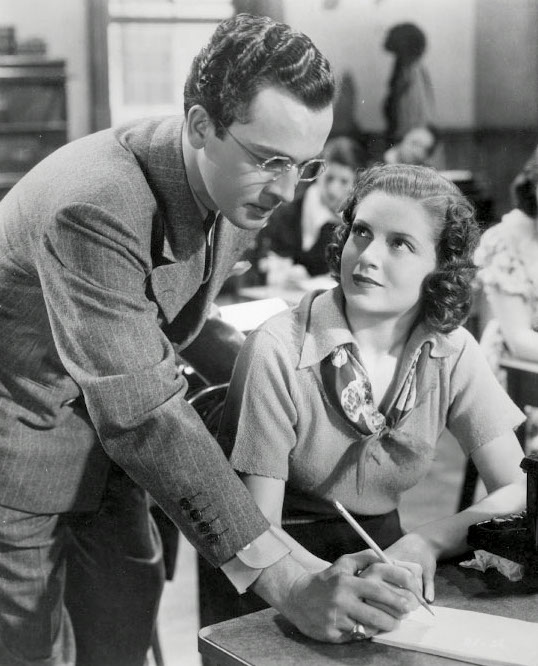


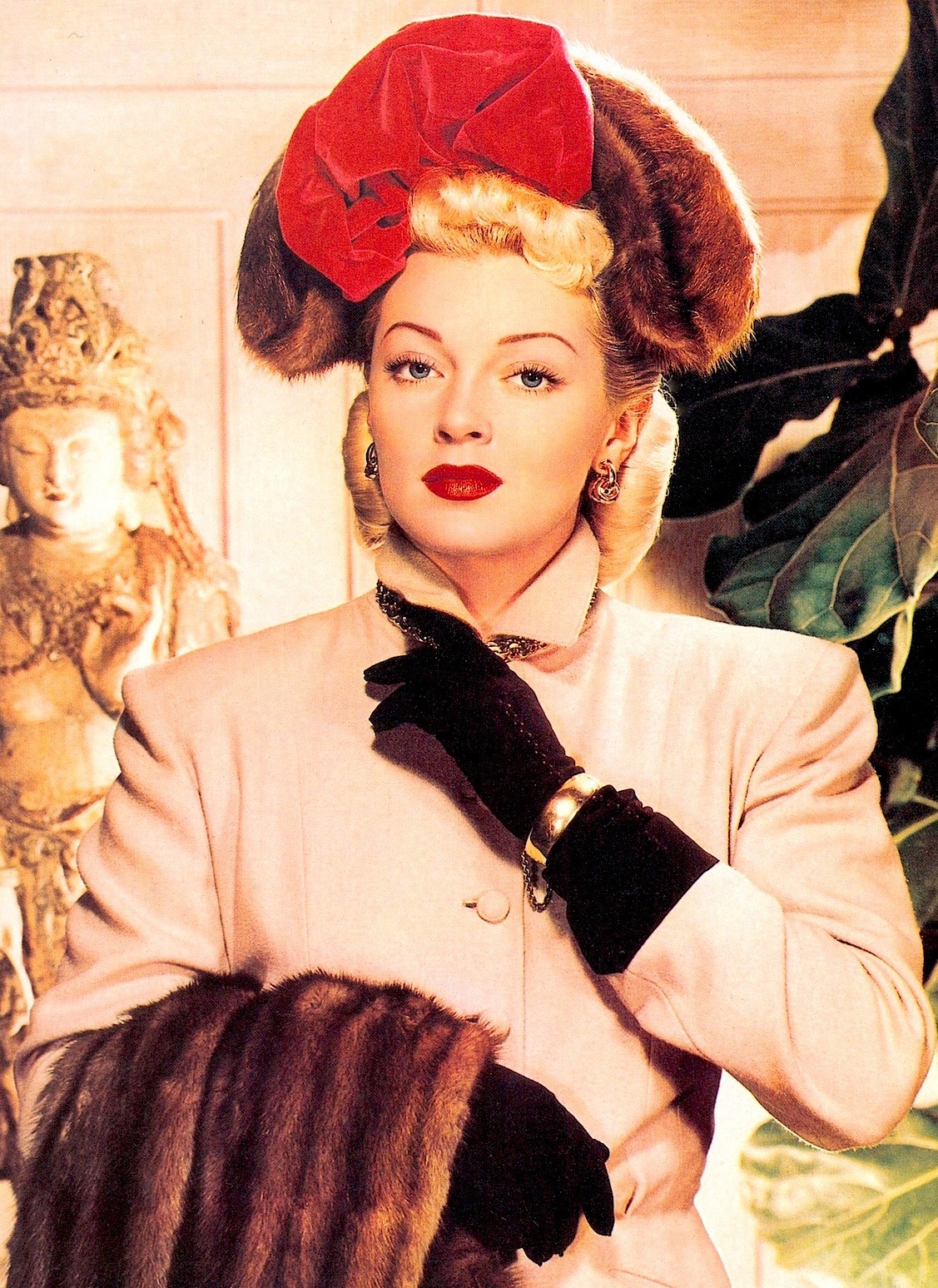


Early discovery and rise
Turner was born in Wallace, Idaho and rose quickly after being discovered as a teenager. At 16 she was signed to a movie contract with a major studio, an event that launched a steady run of feature roles. Her early casting emphasized glamour and sex appeal, a trend that contributed to the popular image of the "sweater girl" and established her as a leading lady.
Career and notable films
Turner's screen work spanned genre and tone, from noir to melodrama. She became particularly prominent in the 1940s and 1950s, appearing in films that displayed both vulnerability and forceful emotion. Among her better‑known titles are The Postman Always Rings Twice (a widely cited film noir), and Peyton Place, for which she received an Academy Award nomination. Over decades she also moved into television, including a recurring role on the soap opera Falcon Crest.
- Selected films: The Postman Always Rings Twice; Peyton Place; Honky Tonk; others that defined her star persona.
Personal life and public attention
Turner's private life was often in the spotlight. Her relationships and family events attracted tabloid coverage, and a highly publicized incident in the late 1950s involved her teenage daughter in a fatal stabbing of Turner's then‑partner; that event and its aftermath added to the intense scrutiny of her life. Throughout, Turner remained a figure whose off‑screen experiences were inseparable from her public image.
Legacy and death
Lana Turner is remembered as a quintessential star of classical Hollywood: glamorous, dramatic and enduringly recognizable. She helped define a mid‑century screen femininity and left a body of work that continues to be studied for its contribution to studio filmmaking and star culture. Turner died of cancer—specifically disease of the throat—on June 29, 1995, in Century City, Los Angeles. Her life and career remain subjects of biographies and retrospectives on Hollywood stardom and studio history.
For further reading and archival materials, consult studio histories and collections of film criticism and biography that cover the era of classical American cinema. Additional resources include filmographies, interviews, and retrospectives on Turner’s influence in popular culture and on subsequent generations of screen actresses. See related entries on studio contracts and star creation at biographical sources and historical film archives (scream queen context and the broader genre) and film industry studies (studio contract practices).
Other online and print resources cataloging her work, major roles and awards, and surviving interviews are available through cinema databases and scholarly compilations; see selected reference guides and archives cited by libraries and film institutions (1950s film histories, 1940s studio era, and popular media retrospectives often link to digitized materials and annotated filmographies).
Related articles
Author
AlegsaOnline.com Lana Turner: Hollywood actress and mid‑century film star Leandro Alegsa
URL: https://en.alegsaonline.com/art/55730