
Lamesa, Texas
Lamesa is the county seat of Dawson County in the South Plains of Texas. Founded in the late 19th century, it is an agricultural and local government center; population was 9,422 at the 2010 census.
Overview
Lamesa is a small city in the heart of the South Plains and serves as the county seat of Dawson County. It lies within the broader region of Texas known as the Llano Estacado or High Plains. According to the 2010 U.S. census the city had 9,422 residents; more recent population estimates vary but Lamesa continues to function as a local administrative and commercial center.
Image gallery
10 Images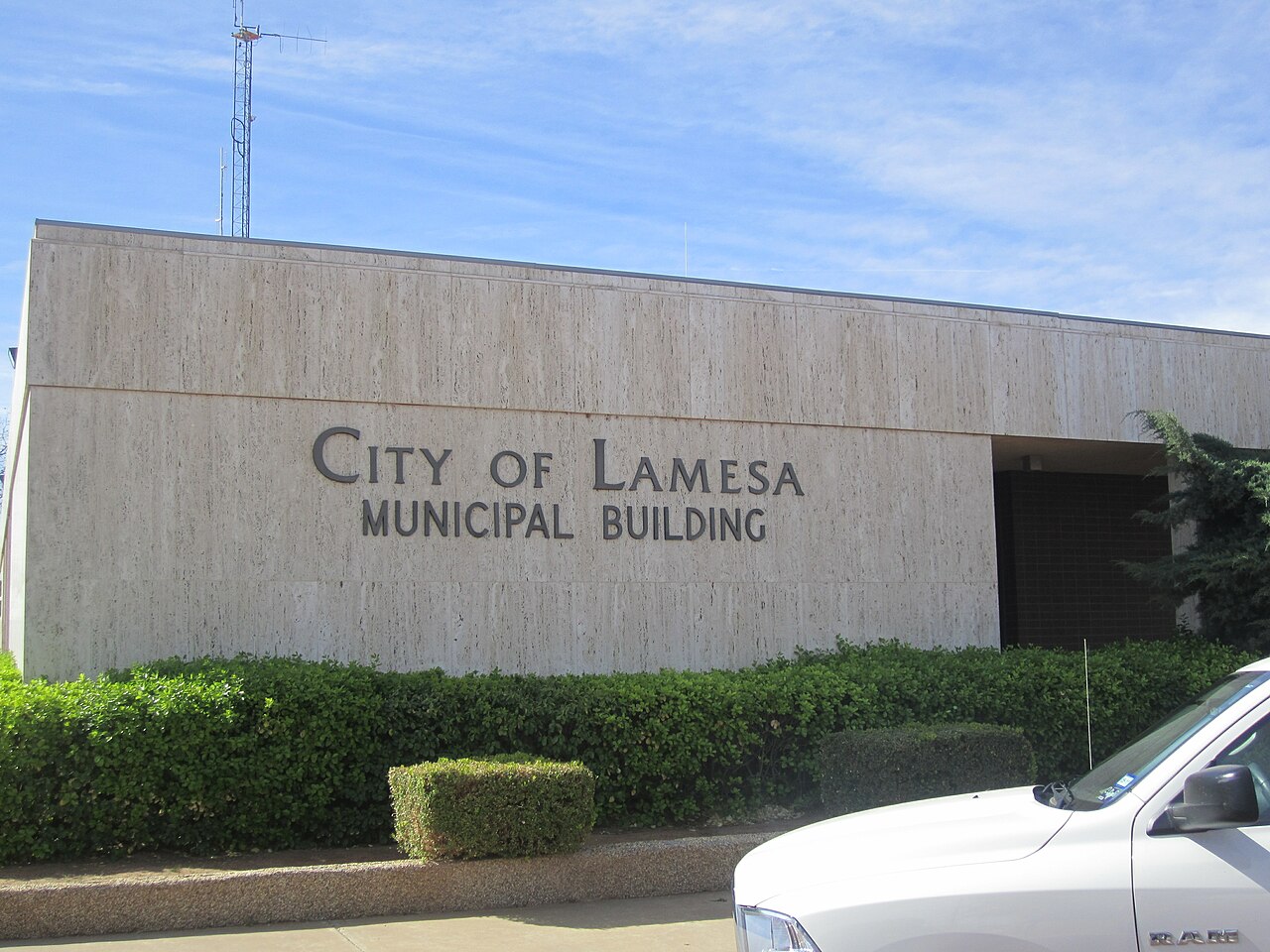


Geography and climate
The city occupies relatively flat, elevated terrain typical of the Llano Estacado and is surrounded by agricultural land. The climate is semi-arid with hot summers and cool winters, making irrigation and water management important to local farming. Native vegetation is sparse and the landscape is characterized by open horizons and wind-exposed plains.
History and name
Lamesa emerged in the late 19th and early 20th centuries as settlement and ranching expanded across the plains. The name derives from the Spanish words la mesa, meaning "the table," a reference to the area's flat, table-like topography. Growth was driven by agriculture and later by oil and gas exploration, with rail and road connections contributing to its role as a regional hub.
Economy and infrastructure
Agriculture has long been central to Lamesa's economy, with cotton, grains and livestock among common products. Energy production, particularly oil and gas activity in the surrounding county, has also played a part in the local economy. The city hosts the county courthouse, public schools, healthcare providers and a range of small businesses that serve residents across Dawson County.
Culture and community
Lamesa supports a close-knit community life with civic organizations, school activities and seasonal events such as fairs and rodeos that reflect regional traditions. Historic downtown buildings and public parks are focal points for civic gatherings. Local museums and heritage groups preserve stories of farming, oilfield work and frontier settlement.
Notable facts and role
As the administrative center of Dawson County, Lamesa provides governmental services and retail options for a wider rural hinterland. Its location on the South Plains ties it into broader agricultural supply chains in Texas, and it remains an example of a small American city whose identity is shaped by geography, farming and resource development.
Related articles
Author
AlegsaOnline.com Lamesa, Texas Leandro Alegsa
URL: https://en.alegsaonline.com/art/55699